Research
I am fascinated by extremophiles and their ability to survive in some of the harshest conditions on Earth. The goal of my research is to use microscopy and molecular biology techniques to probe these exotic microorganisms in order to understand their activity and involvement in biogeochemical cycling within their environmental context.
I hope to derive fundamental rules governing microbial metabolisms and habitability to reveal the potential for life elsewhere in our solar system and utility for industrial applications.
Check out my Google Scholar or ResearchGate pages or feel free to email me for a pdf of my publications!
Geomicrobiology of the Mid-Cayman Rise
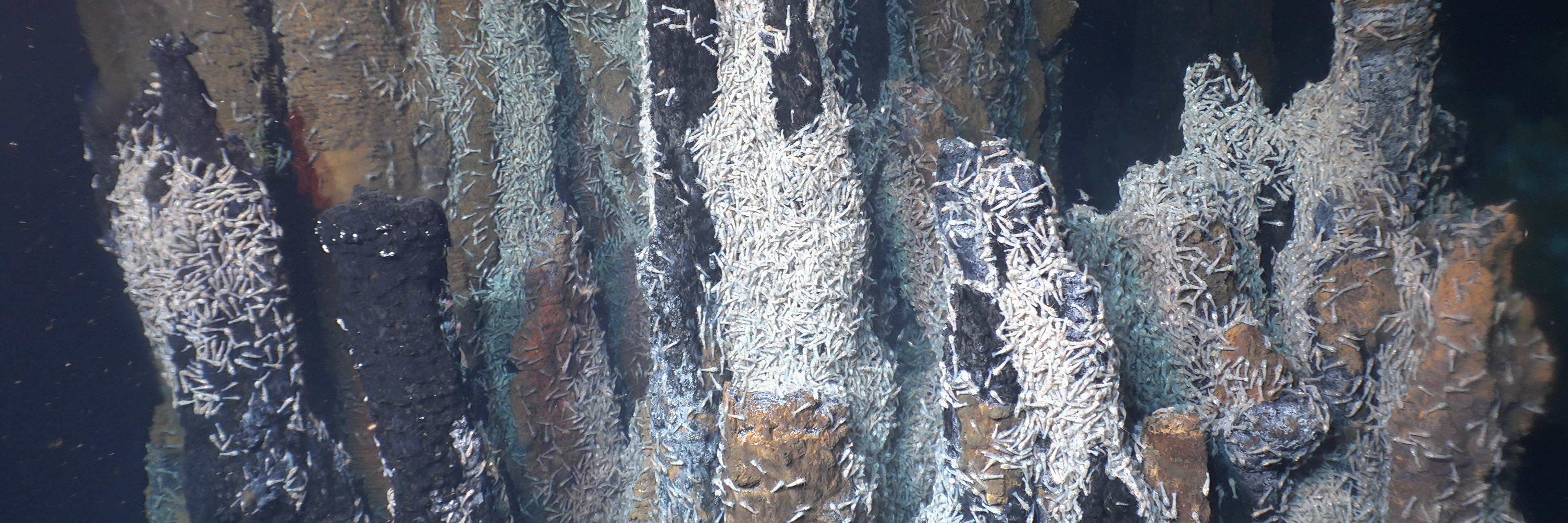
The Mid-Cayman Rise in the Caribbean Sea is home to two known vent fields: Beebe and Von Damm. At nearly 5 km beneath the surface, Beebe is the deepest hydrothermal system currently known. Its fluids are extremely hot, acidic and rich in sulfide, metals, and hydrogen gas. In contrast, Von Damm is cooler, more alkaline, and methane- and hydrogen-rich. While the fluids have been well characterized, little is known about the solid chimneys and the microbial communities they host.
Currently, I'm using a combination of sequencing and microscopy techniques to understand the microbial community composition and their spatial distribution within and across different vents.
Biogeography of The Cedars
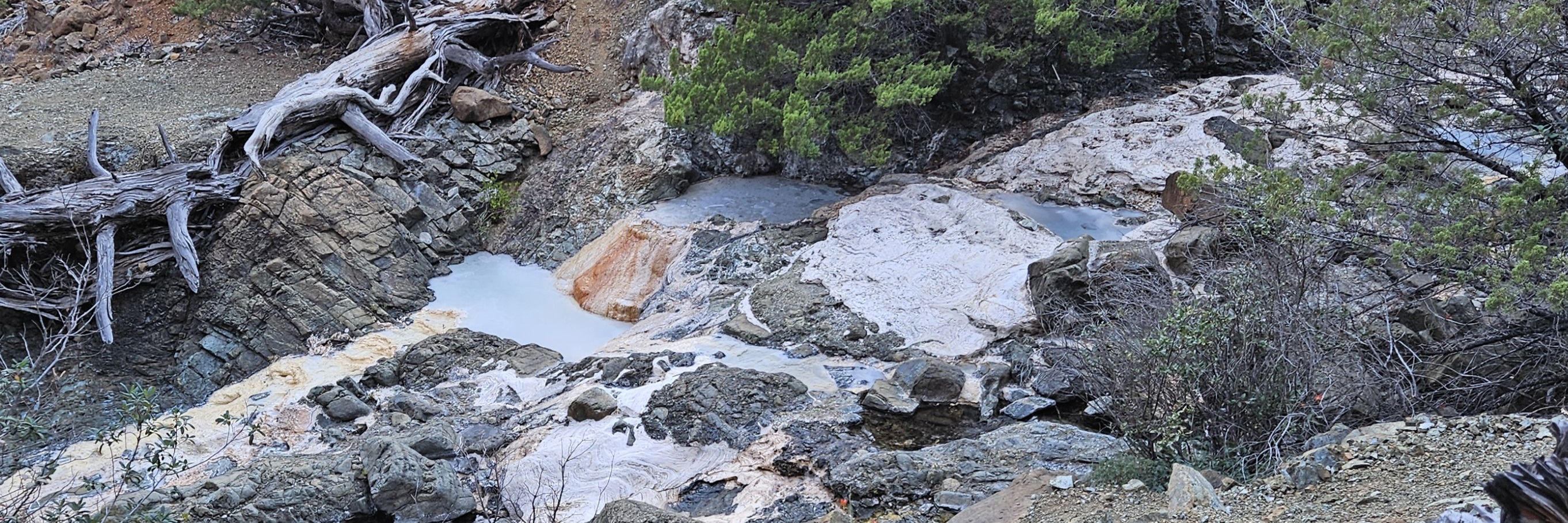
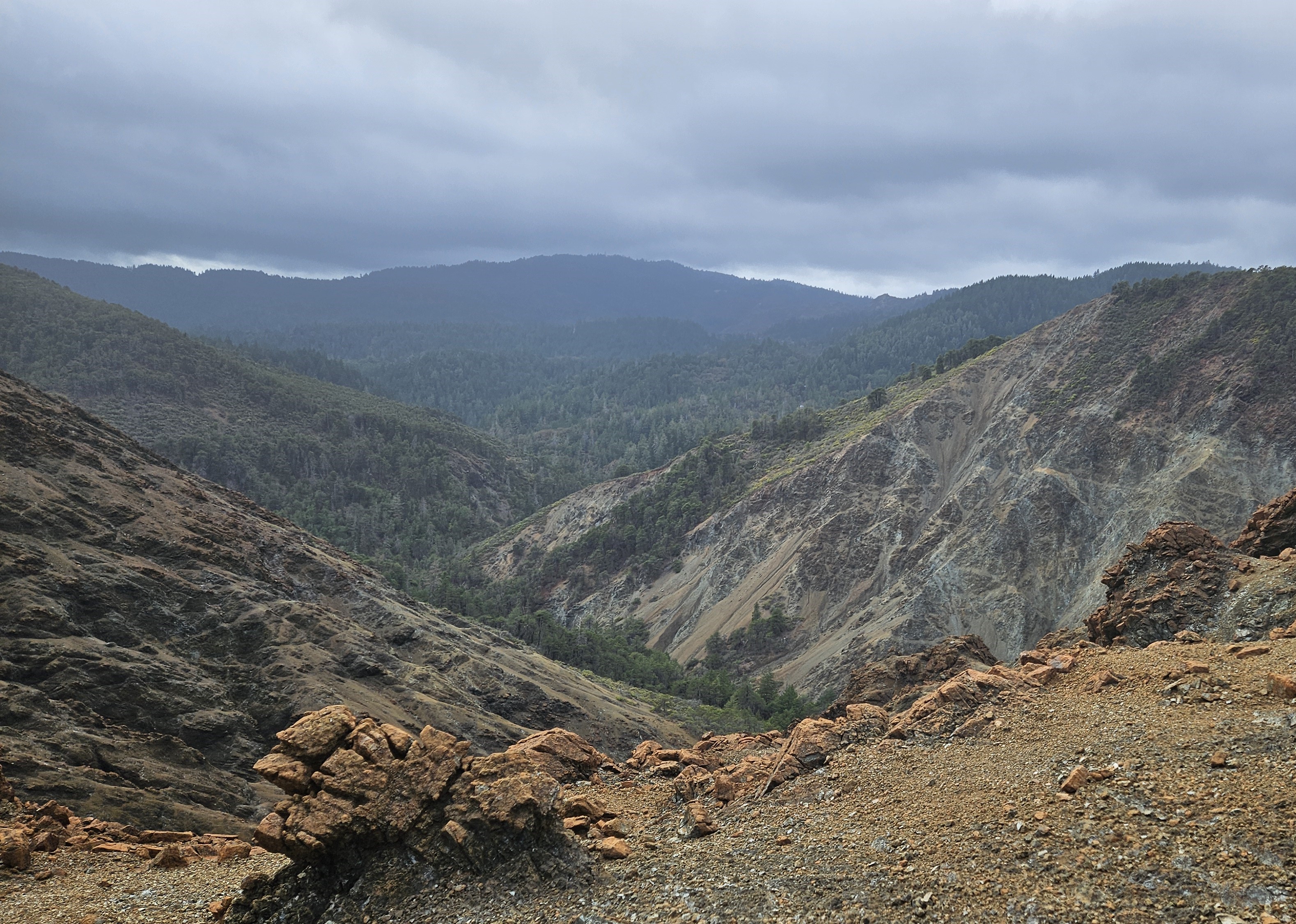
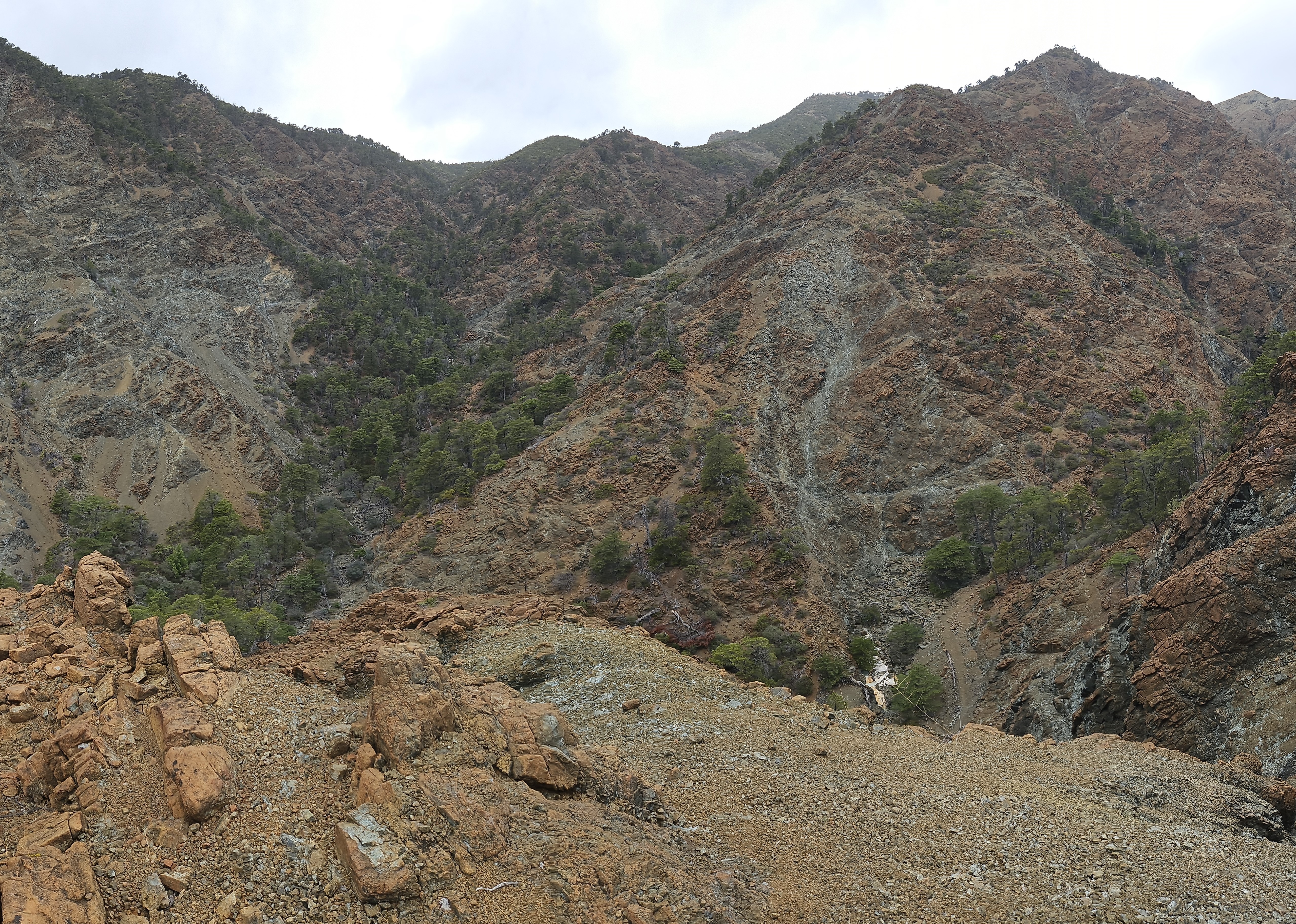
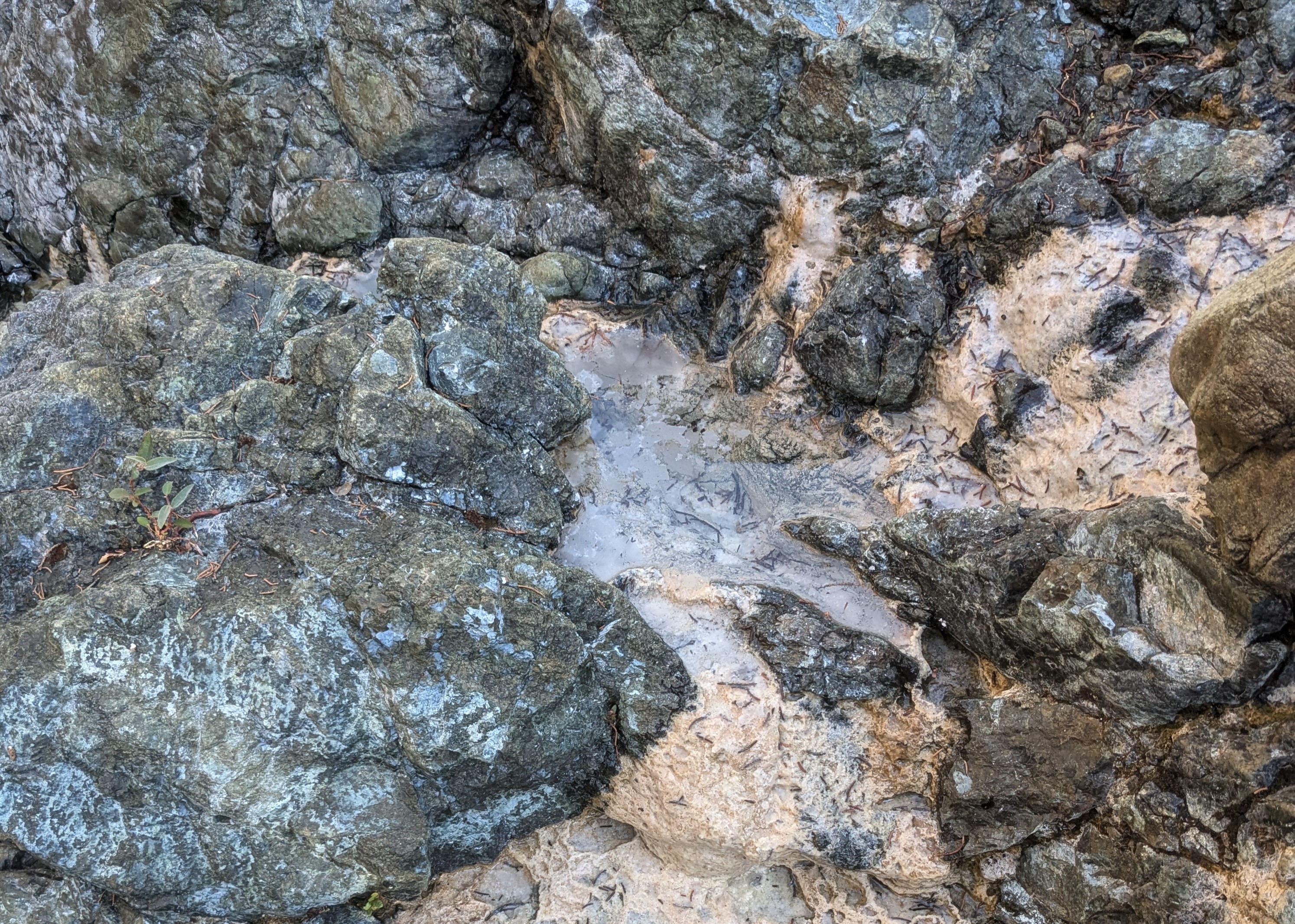
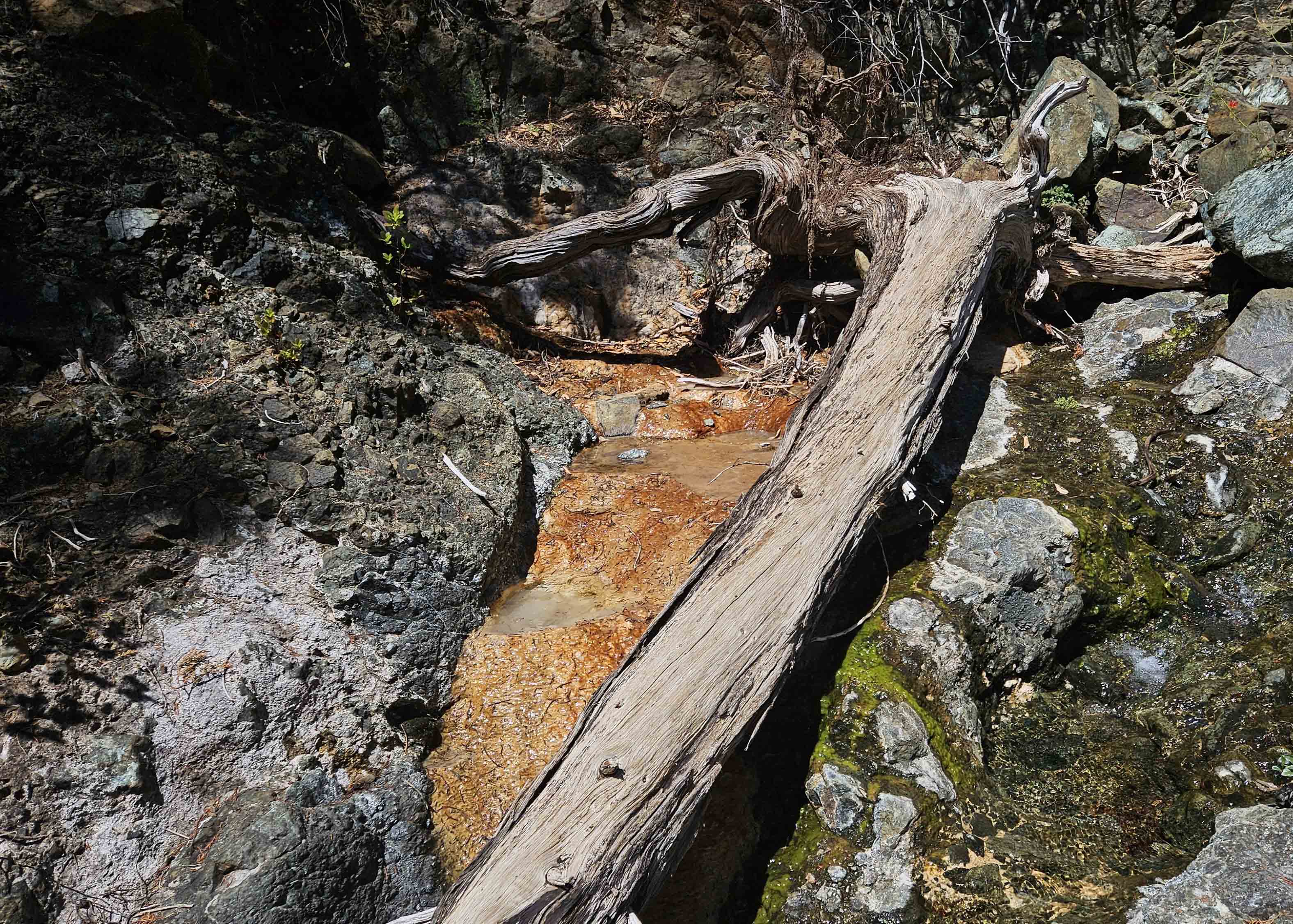
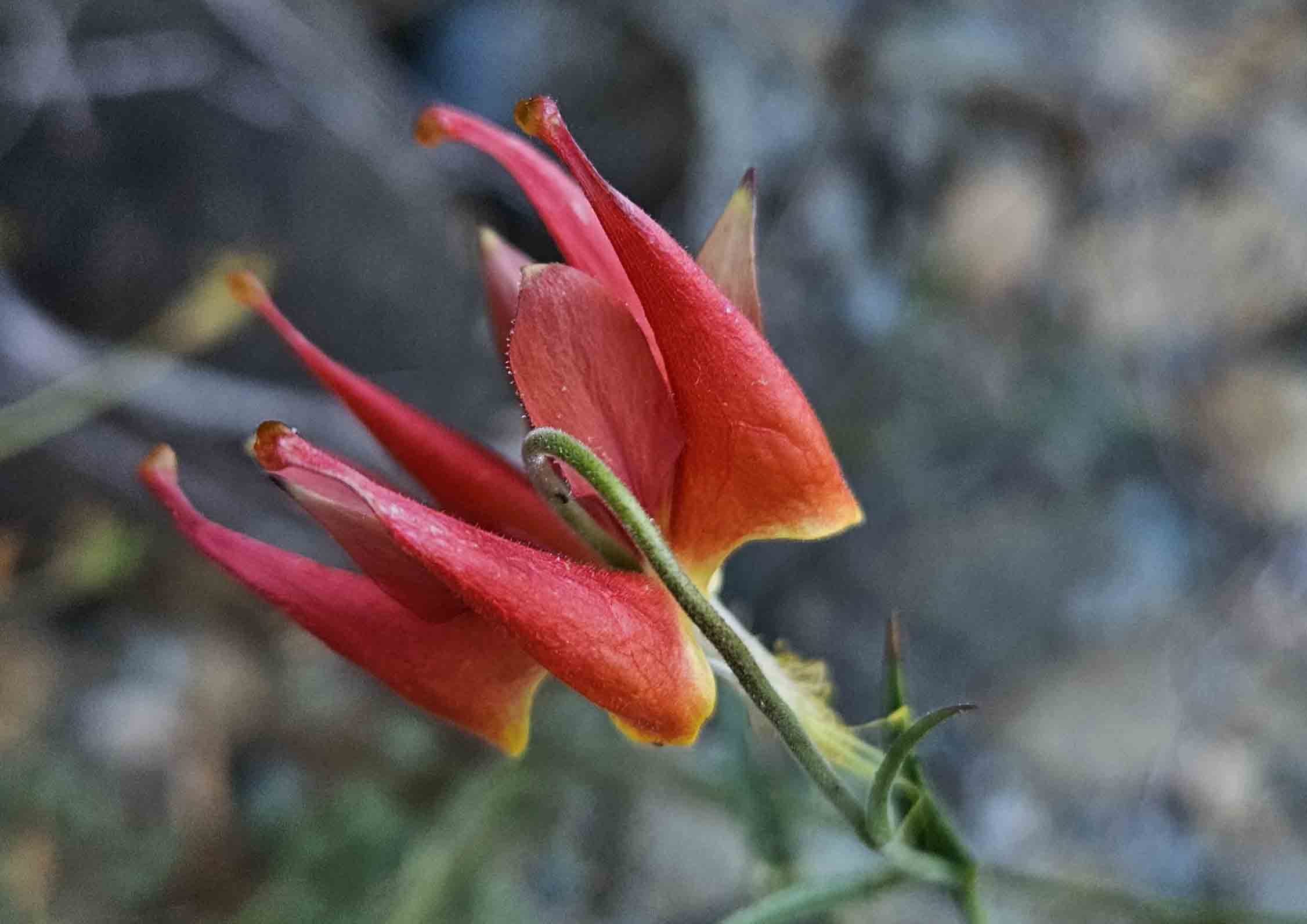
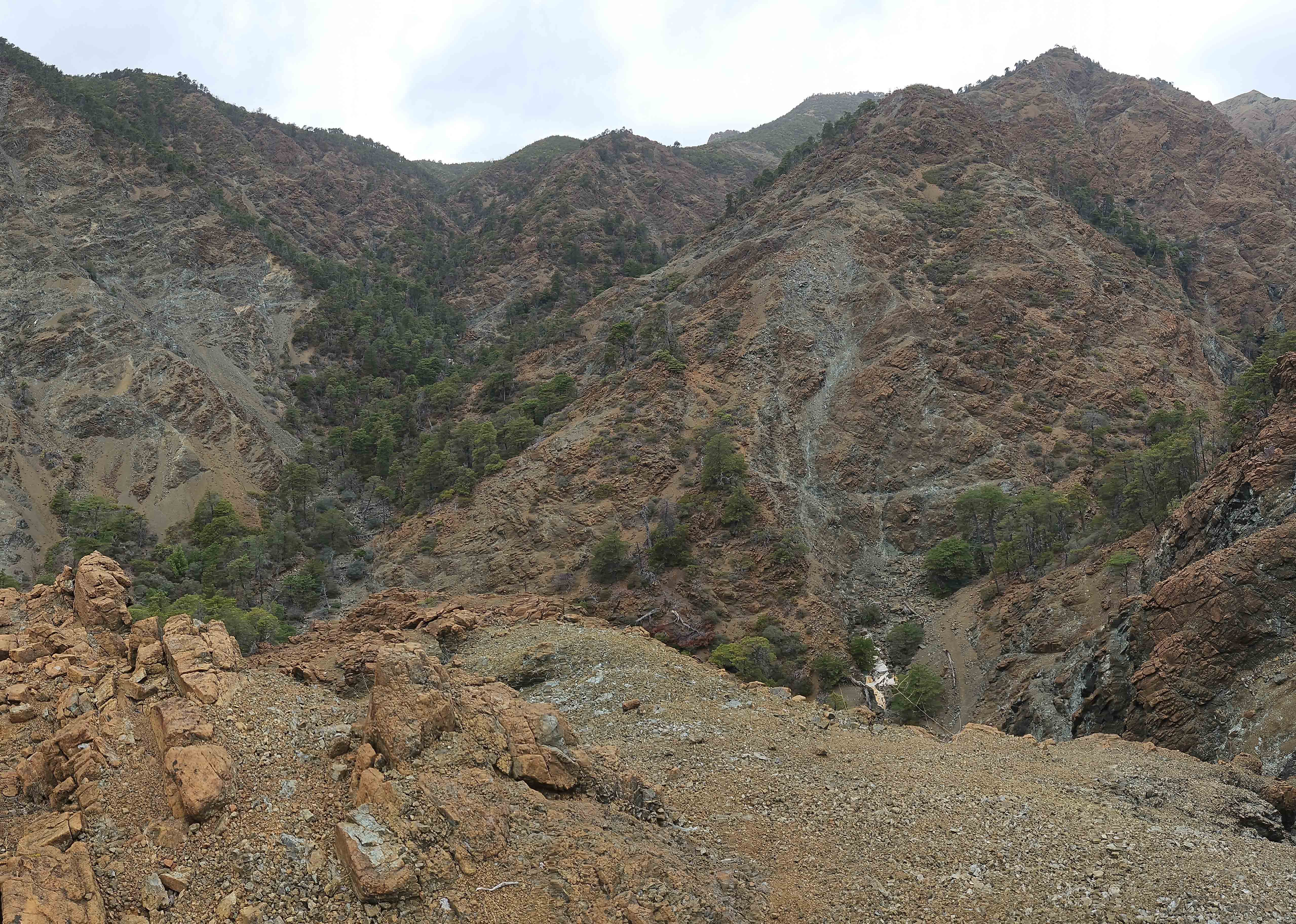
Situated in Sonoma County in northern California, The Cedars formed where part of the subducting oceanic plate had been scraped on to the converging continental plate.
This material would have been rich in ultramafic rock that could react with water in a process known as serpentinization, creating environments analogous to ones we may
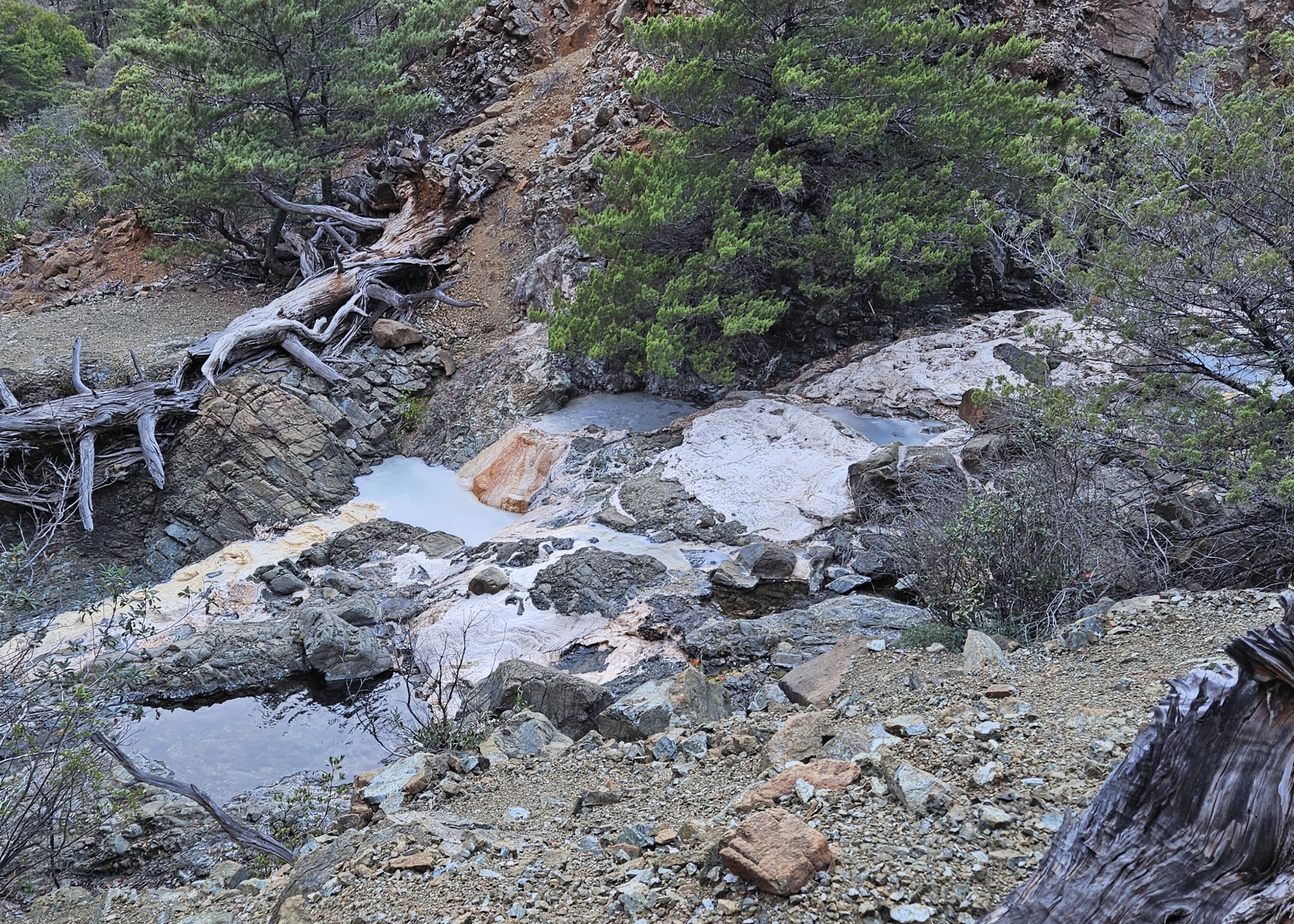
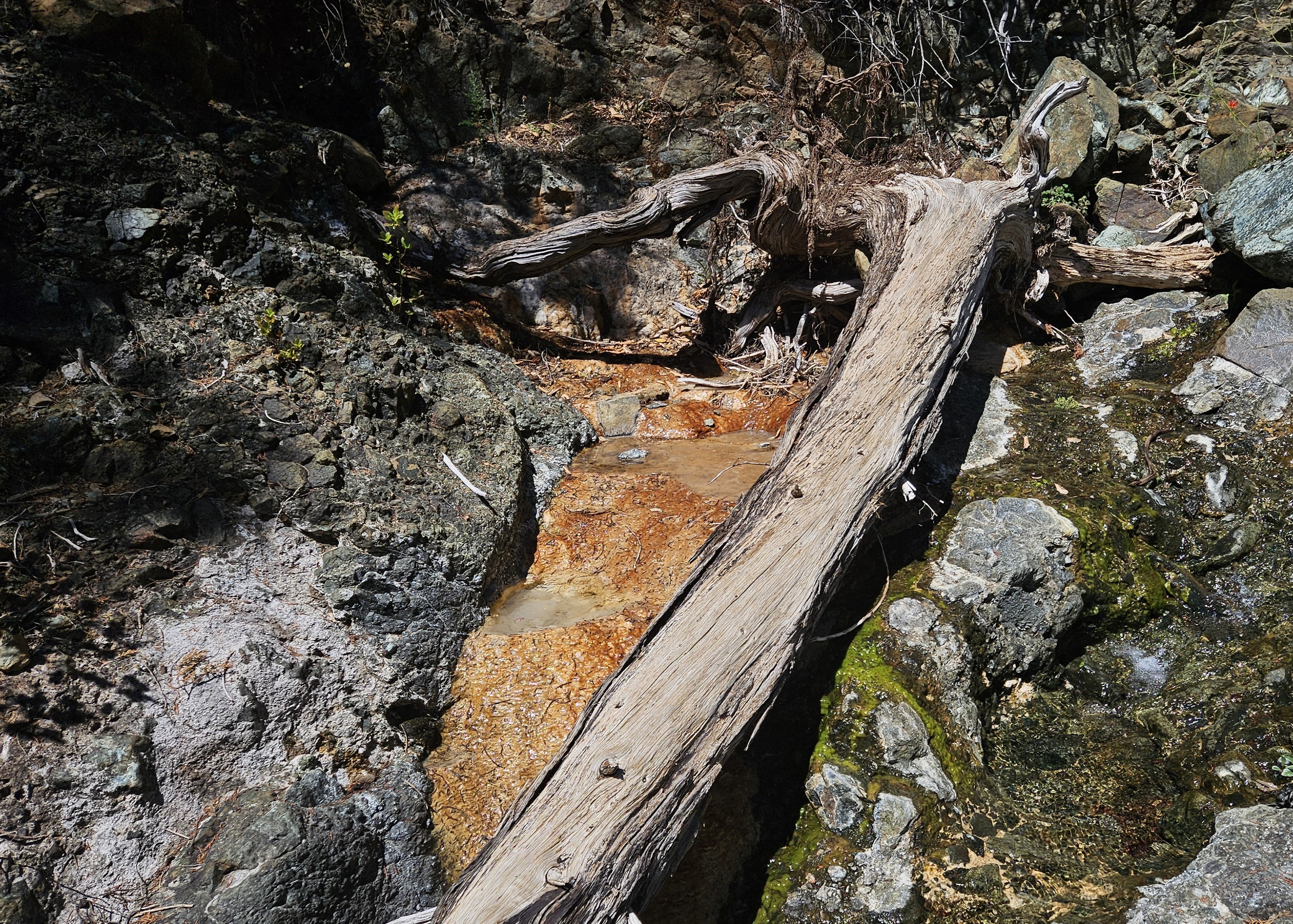
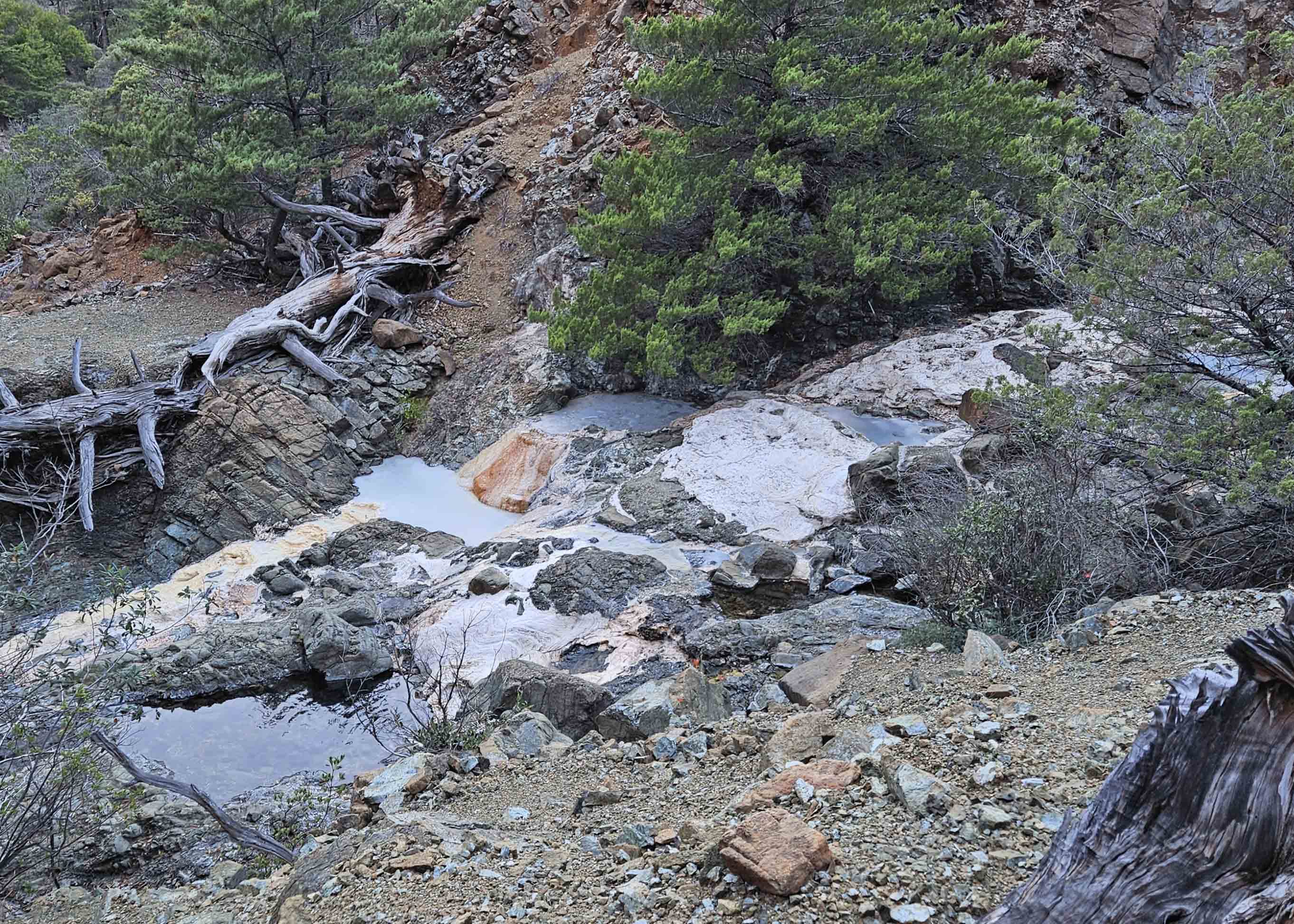
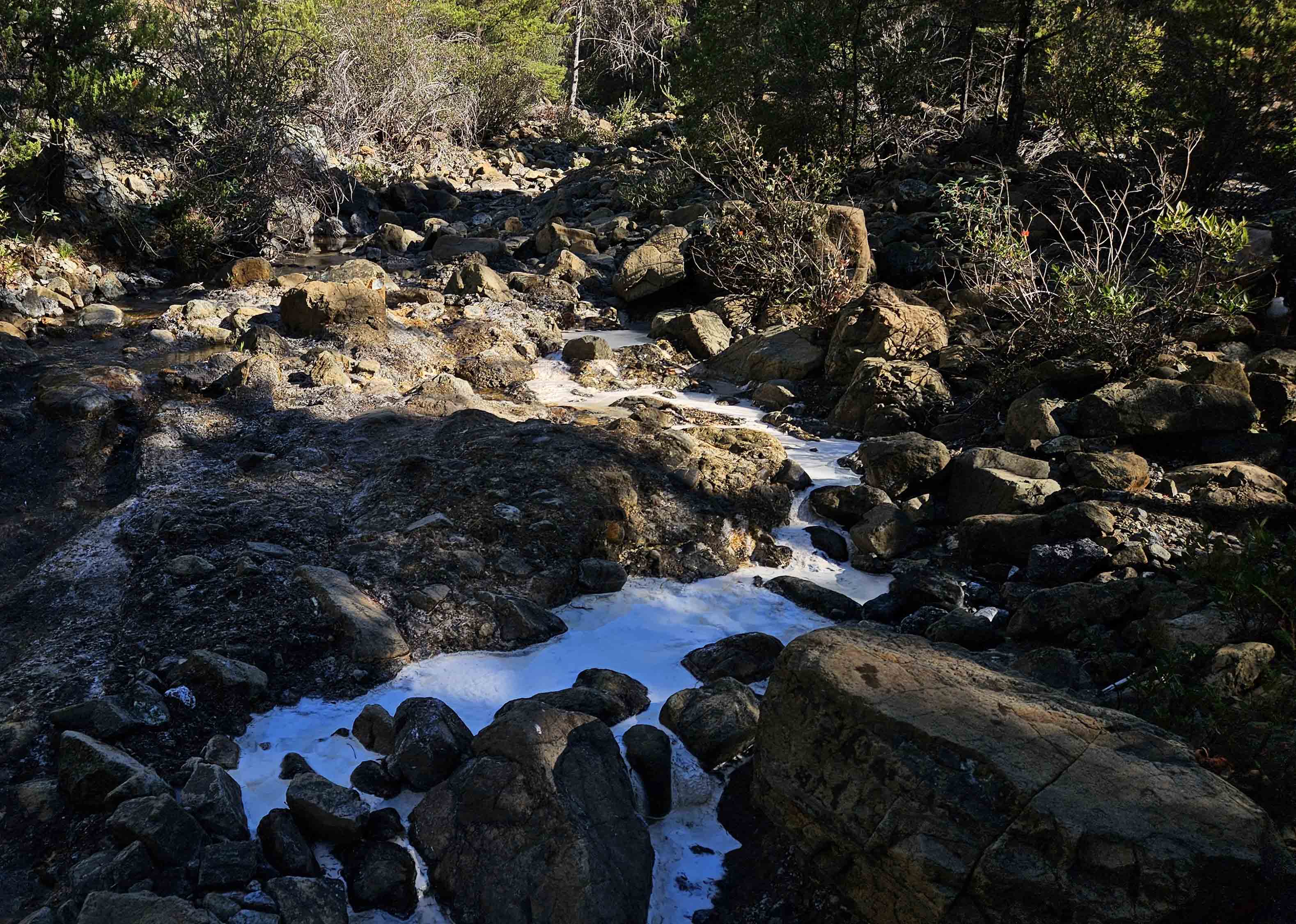
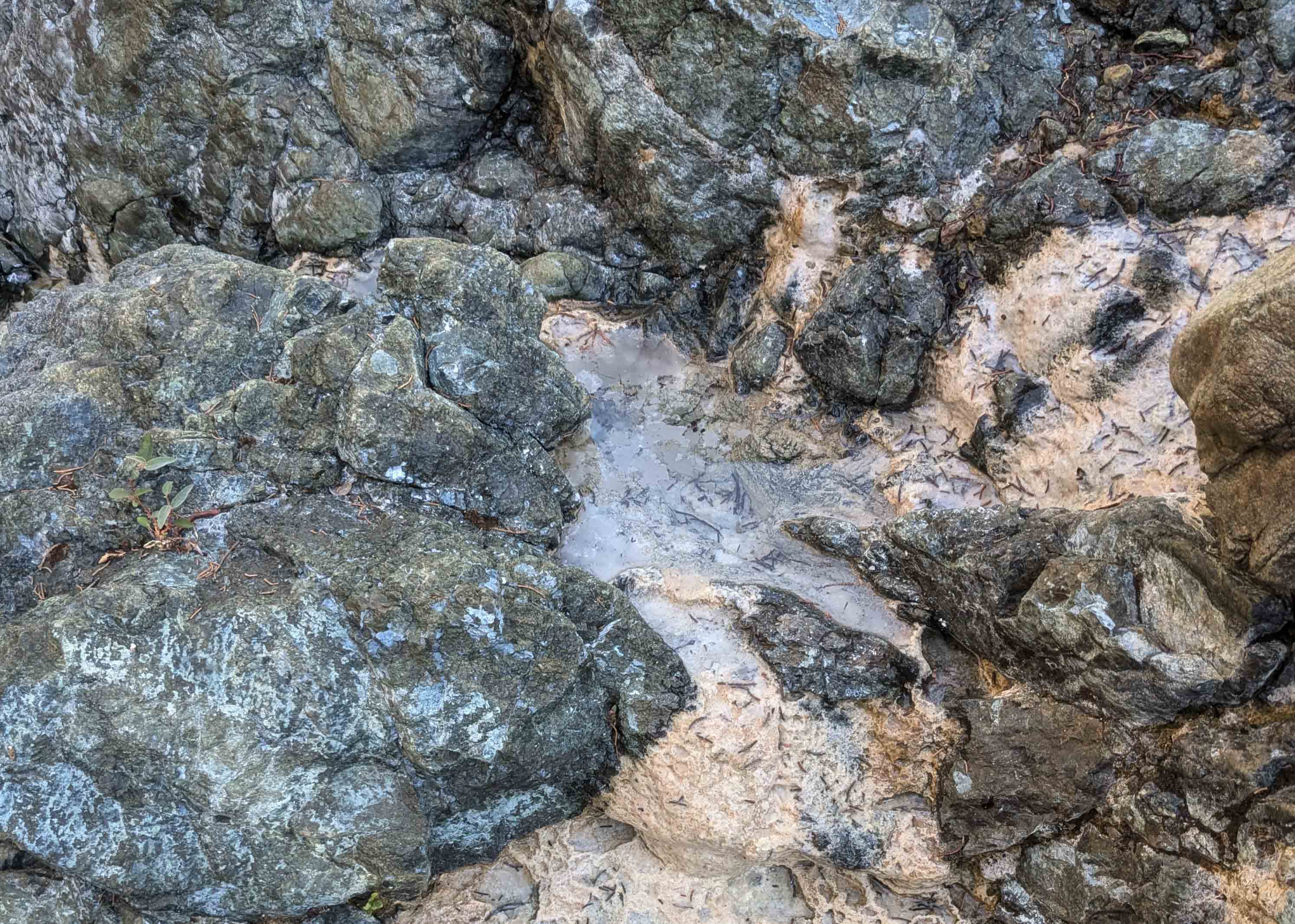
find on Mars or ocean words like Enceladus. Serpentinized fluid percolates back to the surface, creating ultrabasic pools encrusted in carbonates. Currently, only a few of these pools have been well studied,
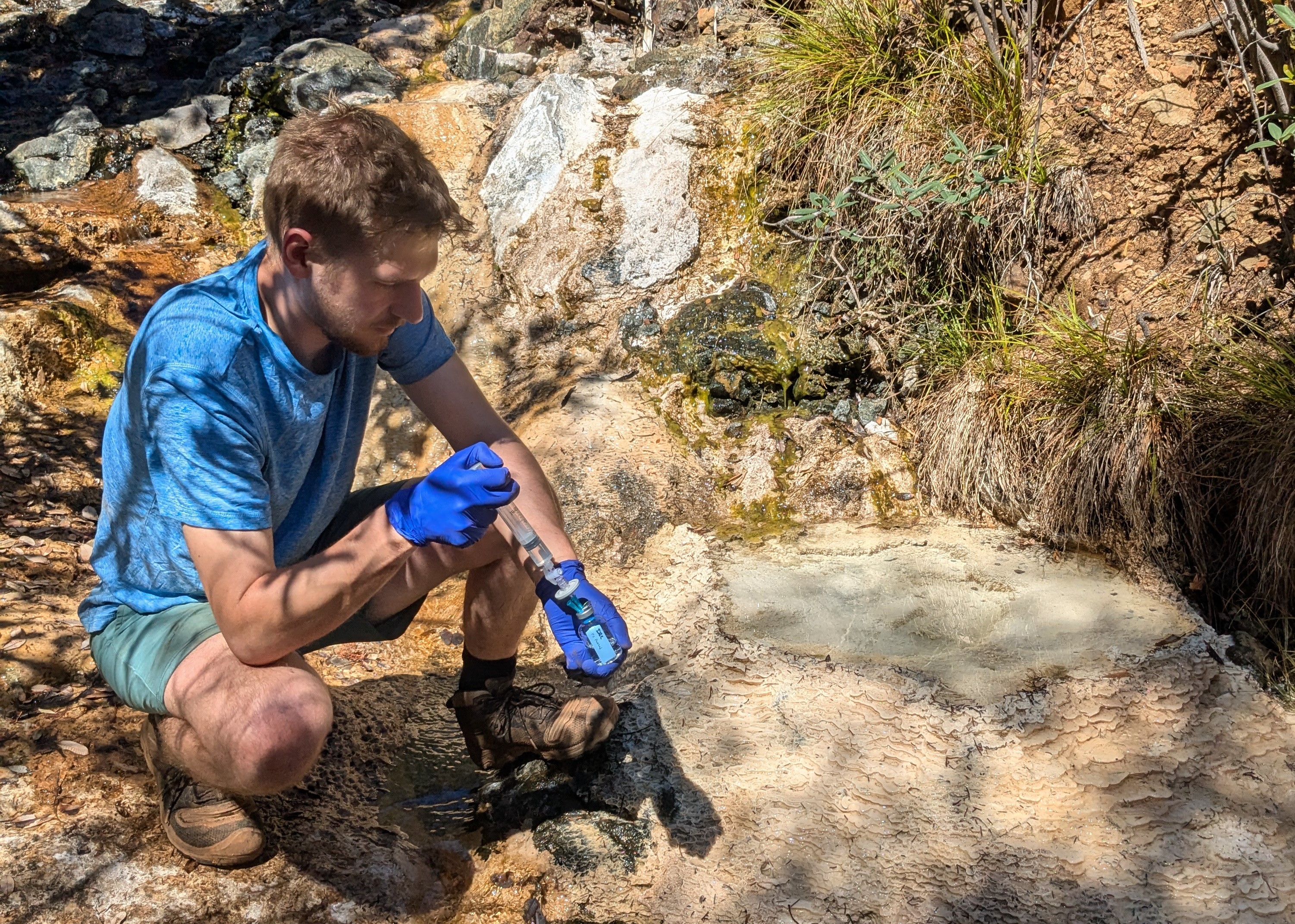
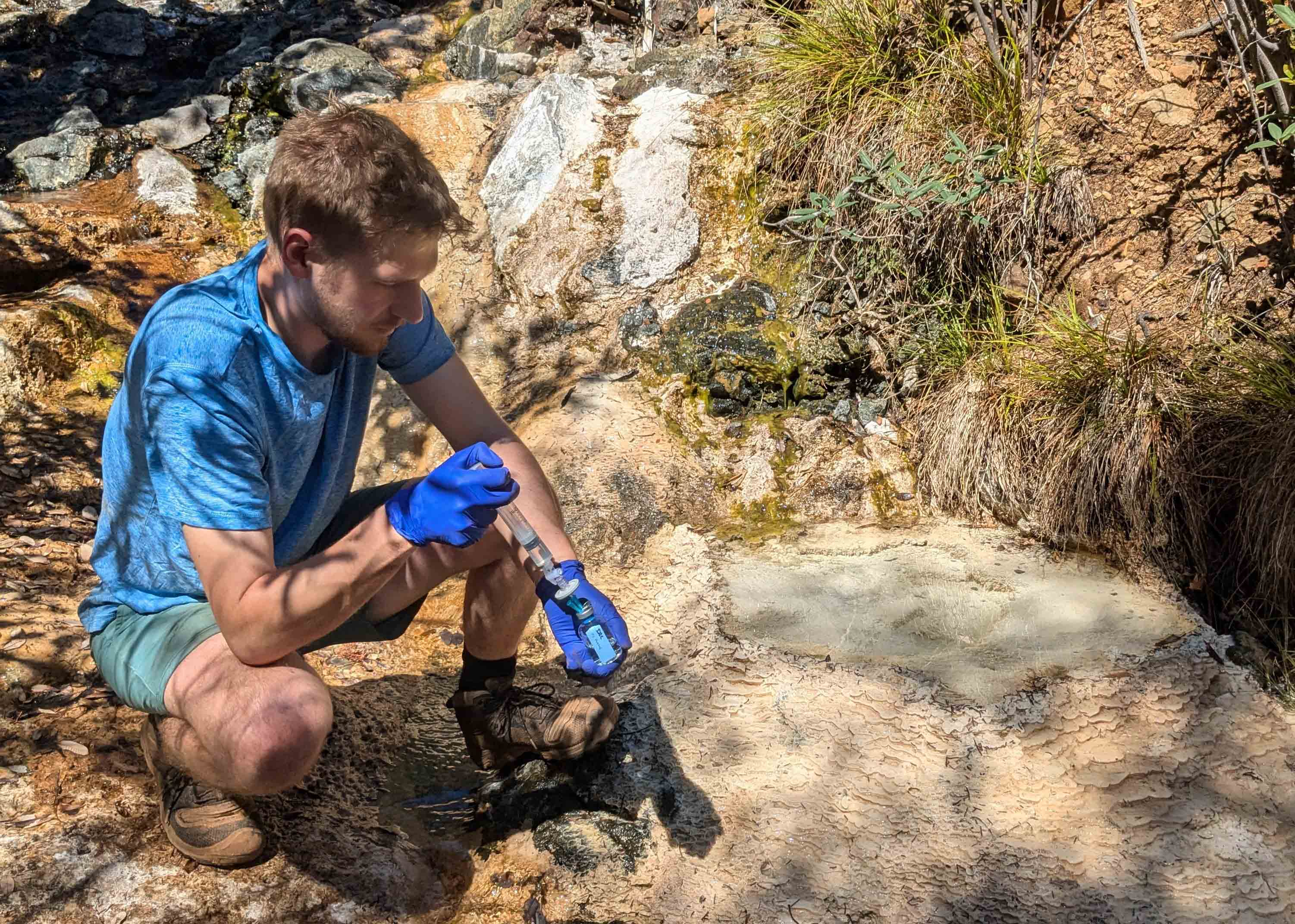
so I'm looking to discover and characterize new springs at The Cedars and use these pools to understand microbial colonization on mineral surfaces.
Dual-BONCAT: Multiplexing Microbial Activity
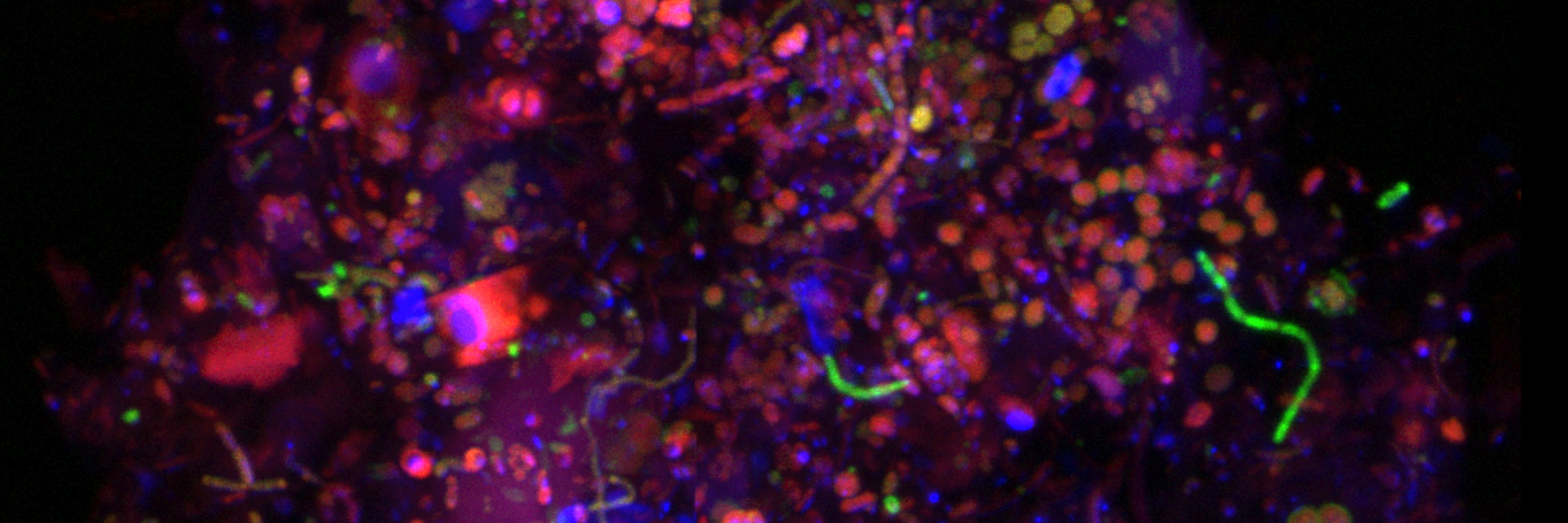
Demonstrated the utility of using multiple non-canonical amino acids (as opposed to the traditional, "mono"-BONCAT). My experiments revealed that dual-BONCAT could be used to identify microorganisms that were active during distinct times and conditions in an experiment with confocal fluorescence microscopy.
Relevant publications:
-
Mankel, D., Maierhaba, Y., Momjian, C., Calabrese, F., Duhamel, S., Marlow, J. (2026)
Dual-BONCAT reveals distinct subpopulations of anabolically active cells. Appl. Environ. Microbio. 92:e02391-25.
https://doi.org/10.1128/aem.02391-25 .
About
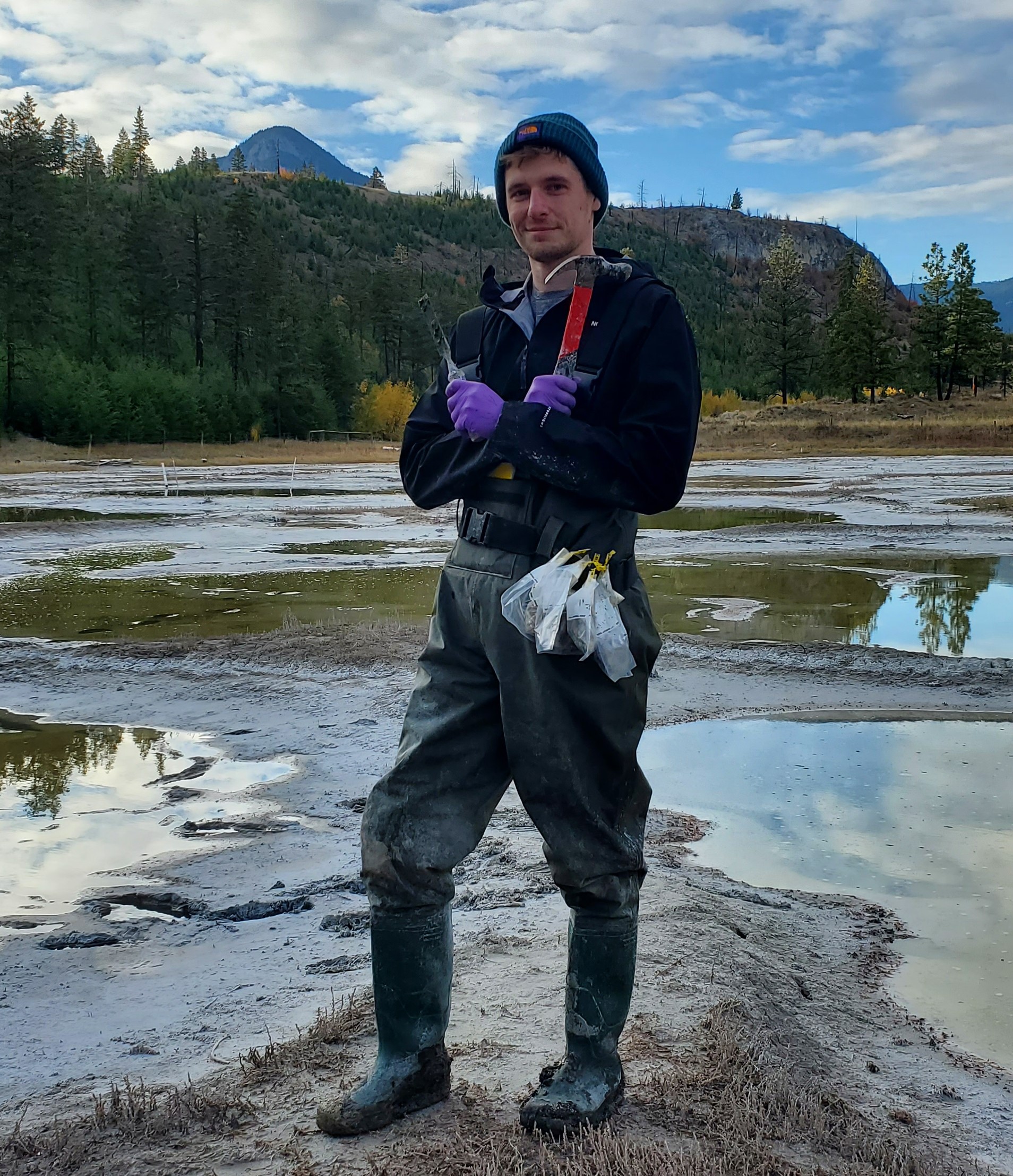
I am currently a Biology Ph.D. student in Jeff Marlow's Geomicrobiology lab !
I recieved my B.S. in Astrophysics and Biochemistry & Molecular Biology from Michigan State University in 2019 in pursuit of a career in Astrobiology and the NASA astronaut program.
I've tried on many different "hats" throughout my research career.
From my humble beginnings as a telescope operator at the Michigan State campus observatory to now studying microorganisms in the strangest corners of the world at Boston University,
these experiences have provided an interdisciplinary perspective that I channel into my research.
Currently, I'm trying to understand the metabolic, geochemical, and mineralogical parameters that enable microorganisms to live in extreme environments. These places and the life they host can tell us a lot about the origin of life here on Earth and the potential for life elsewhere.
Outside of academia, I enjoying hiking, scuba diving, and sailing!
Publications
- Mankel, D., Maierhaba, Y., Momjian, C., Calabrese, F., Duhamel, S., Marlow, J. (2026)
Dual-BONCAT reveals distinct subpopulations of anabolically active cells. Appl. Environ. Microbio. 92:e02391-25.
https://doi.org/10.1128/aem.02391-25 .
- Werbin, Z., ... , Mankel, D., et al. (2025) Improved detection of fungi and uncultivated
microorganisms in soil metagenomes using a comprehensive genome database. BioRxiv [Preprint].
https://doi.org/10.1101/2025.03.21.644662 .
- Hoehler, T., Mankel, D., Girguis, P., McCollom, T., Kiang, N., Jørgensen, B. B. (2023)
The metabolic rate of the biosphere and its components. Proc. Natl. Acad. Sci. U.S.A.
120(25): e2303764120. https://doi.org/10.1073/pnas.2303764120 .
-
Murphy-Glaysher, F. J., ... , Mankel, D., et al. (2022). V392Persei: A γ-ray bright nova
eruption from a known dwarf nova, Monthly Notices of the Royal Astronomical Society,
514 (4), 6183–6202. https://doi.org/10.1093/mnras/stac1577.*
-
Patterson, J., de Miguel, E., ... , Mankel, D., et al. (2017). OV Bootis: Forty Nights Of
World-Wide Photometry. Society for Astronomical Sciences, 1-6.*
*Contributed Data
Recent Presentations
-
Mankel, D., Anderson, R., Marlow, J. (July 2026). Microbial Community Composition, Metabolic Potential, and Diversity within the Active Vents of the Mid-Cayman Rise [Poster presentation]. Microbiome Day, Boston University, Boston, MA, United States.
-
Mankel, D. (May 2026). Life at High pH: Microbial strategies in the Actively Serpentinizing Subsurface of The Cedars [Lightning Talk]. Biogeoscience Symposium, Boston University, Boston, MA, United States.
-
Mankel, D. (Oct 2025). Uncovering the Microbial Community Composition, Metabolic Potential, and Diversity within the Active Vents of the Mid-Cayman Rise [Oral presentation]. EBE-MB Department Chalk Talk Seminar series, Boston University, Boston, MA, United States.
-
Mankel, D., Anderson, R., Marlow, J. (Aug 2025). Microbial Community Composition, Metabolic Potential, and Diversity within the Active Vents of the Mid-Cayman Rise [Poster presentation]. Seventh Workshop on Trait-based Approaches to Ocean Life 2025. Monterey, CA, United States.
-
Mankel, D. (July 2025). Linking Microbial Identity, Activity, and Microgeography within the Hydrothermal Chimneys of the Mid-Cayman Rise [Poster presentation]. Microbiome Day, Boston University, Boston, MA, United States.
-
Mankel, D. (May 2024). Microbial Community Composition, Metabolic Potential, and Diversity Within the Active Vents of the Mid-Cayman Rise [Oral presentation]. Biogeoscience Symposium, Boston University, Boston, MA, United States.
-
Mankel, D. (Nov 2024). Assessing the Limits of Life at pH and Temperature Extremes in Extraterrestrial Analog Environments [Oral presentation]. EBE-MB Department Chalk Talk Seminar series, Boston University, Boston, MA, United States.
-
Mankel, D. (May 2024) Using Microbes from Extreme Environment Analogs to Grow Bioplastics on Mars [Oral presentation]. Hariri FRP Symposium - First Trip to Mars: How to Pack Light, Boston, MA, United States.
-
Mankel, D., Marlow, J. (May 2024) Linking microbial identity, activity, and microgeography within the hydrothermal chimneys of the Mid-Cayman Rise [Poster presentation]. AbSciCon 2024, Providence, RI, United States.
-
Mankel, D. (Nov 2023). Linking Microbial Identity, Activity, and Microgeography within Deep-Sea Hydrothermal Chimneys [Oral presentation]. EBE-MB Department Chalk Talk Seminar series, Boston University, Boston, MA, United States.
Posters
Presented at the Seventh Workshop on Trait-based Approaches to Ocean Life
Presented at AbSciCon2024
Contact
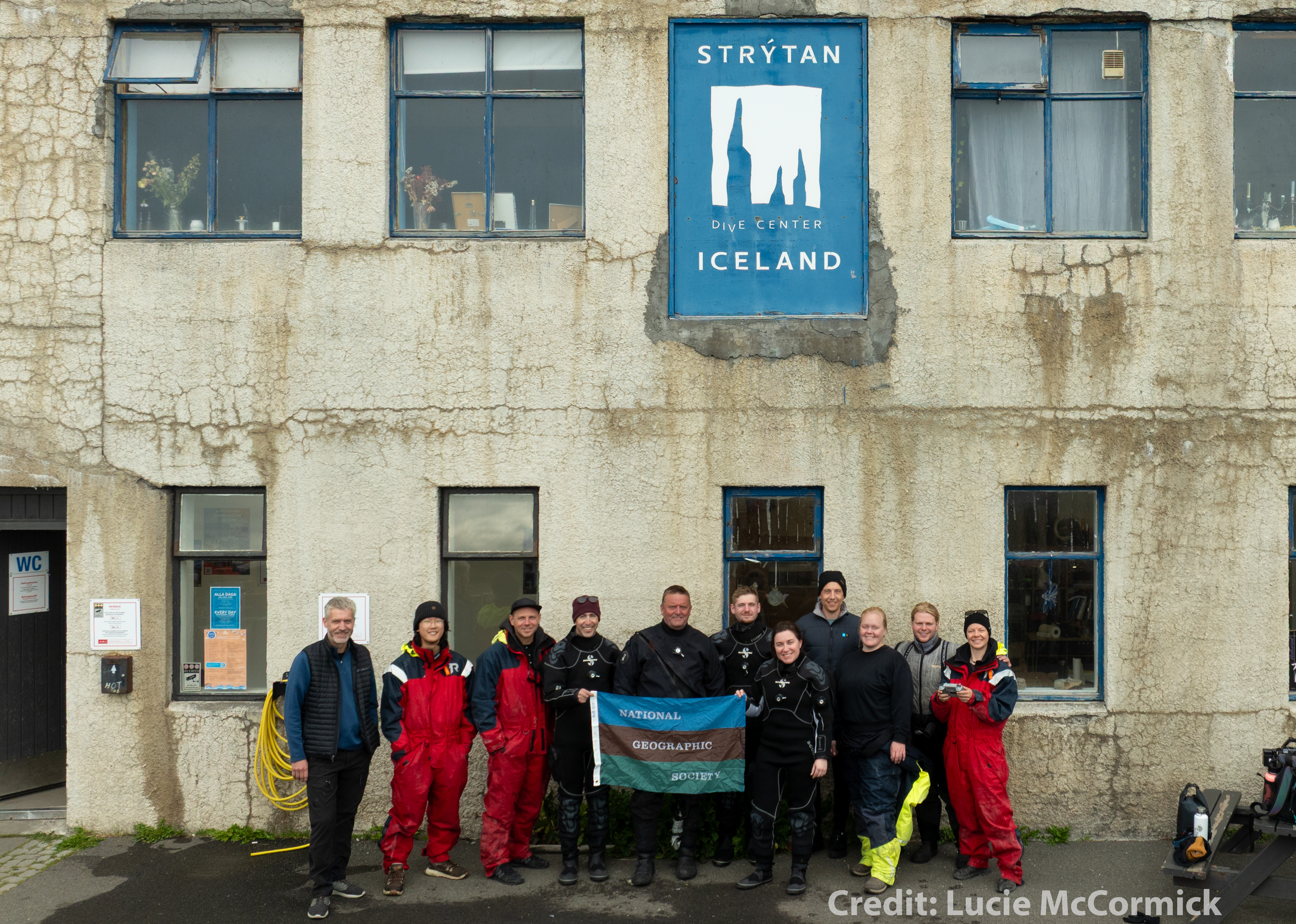
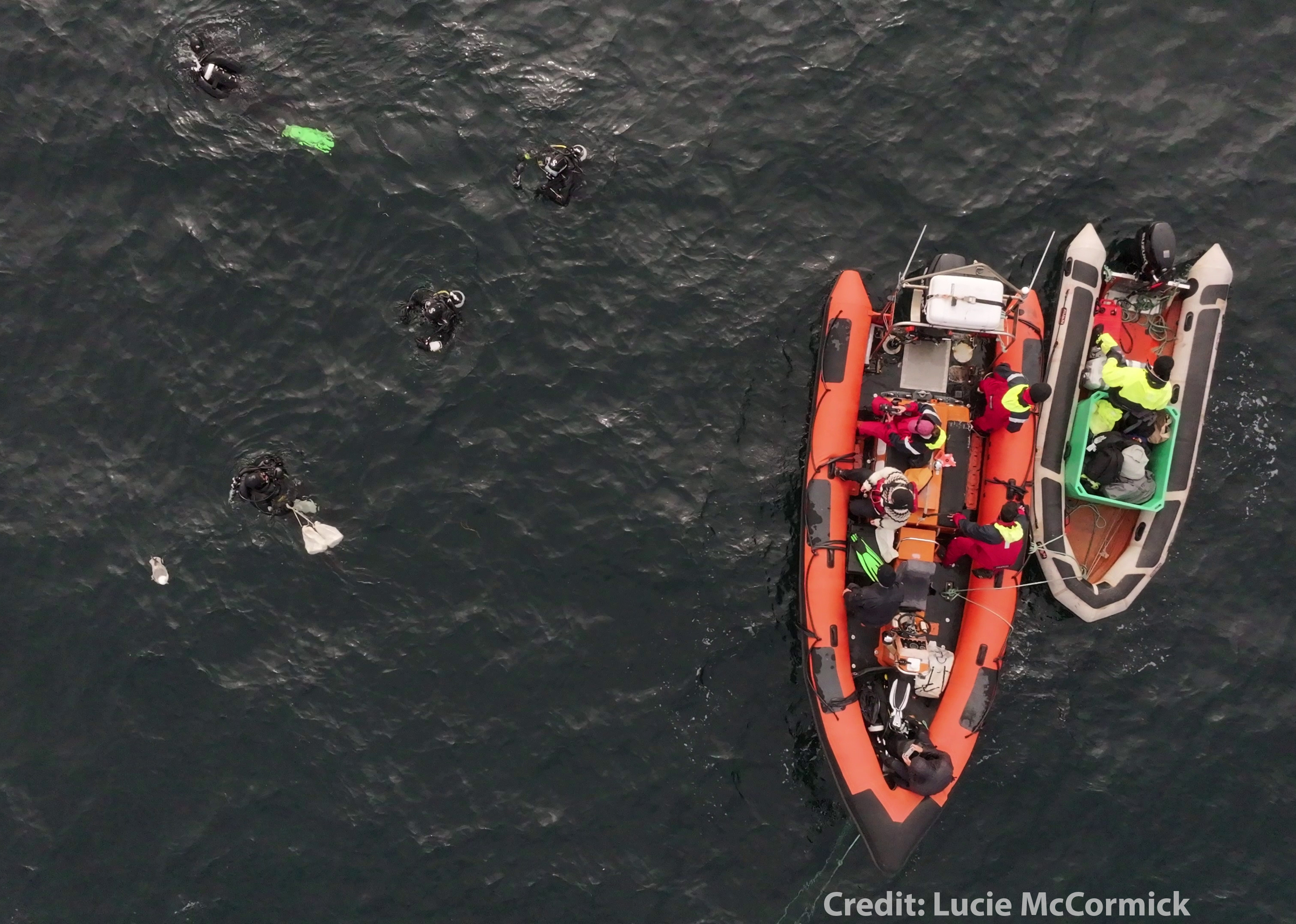
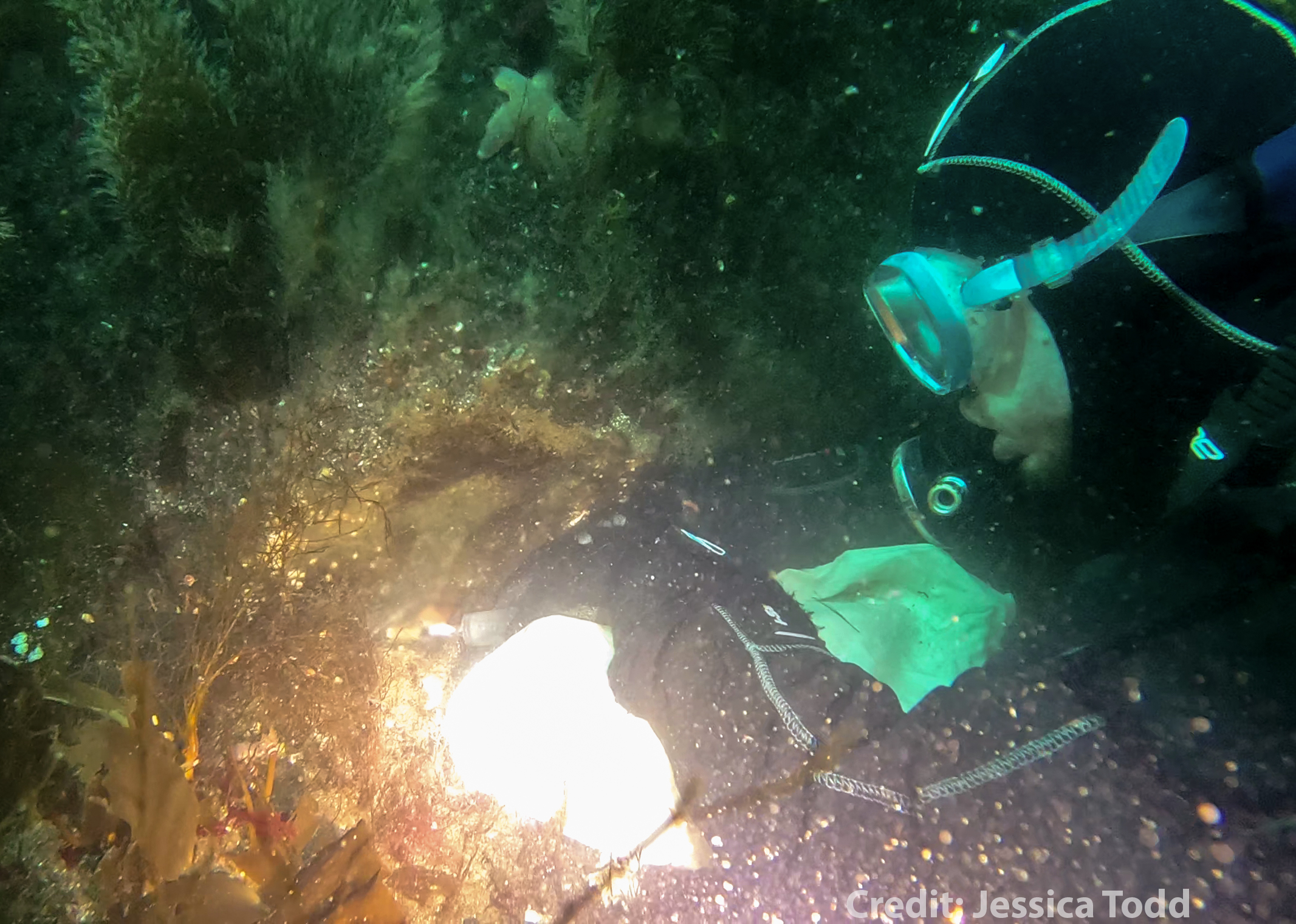
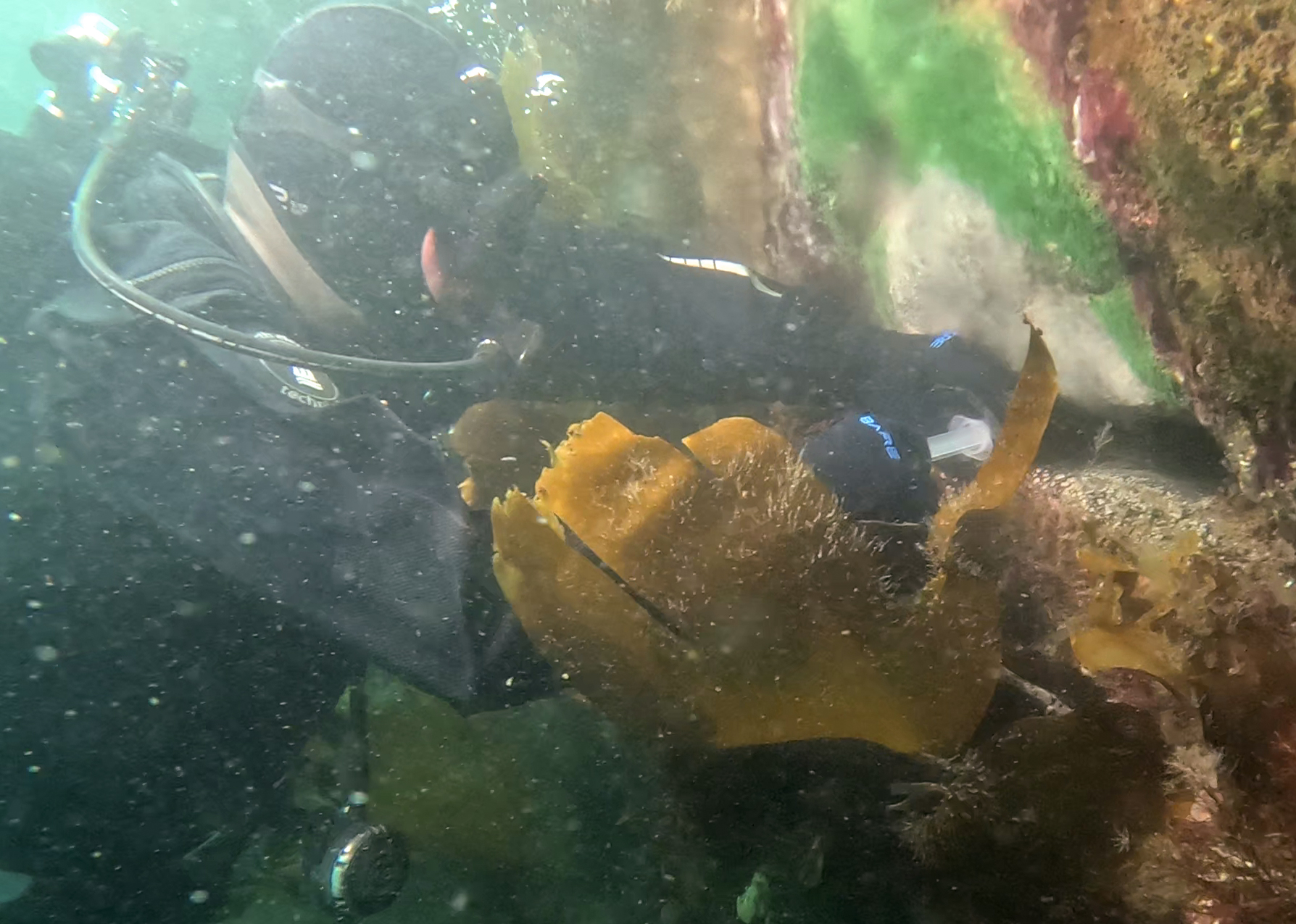
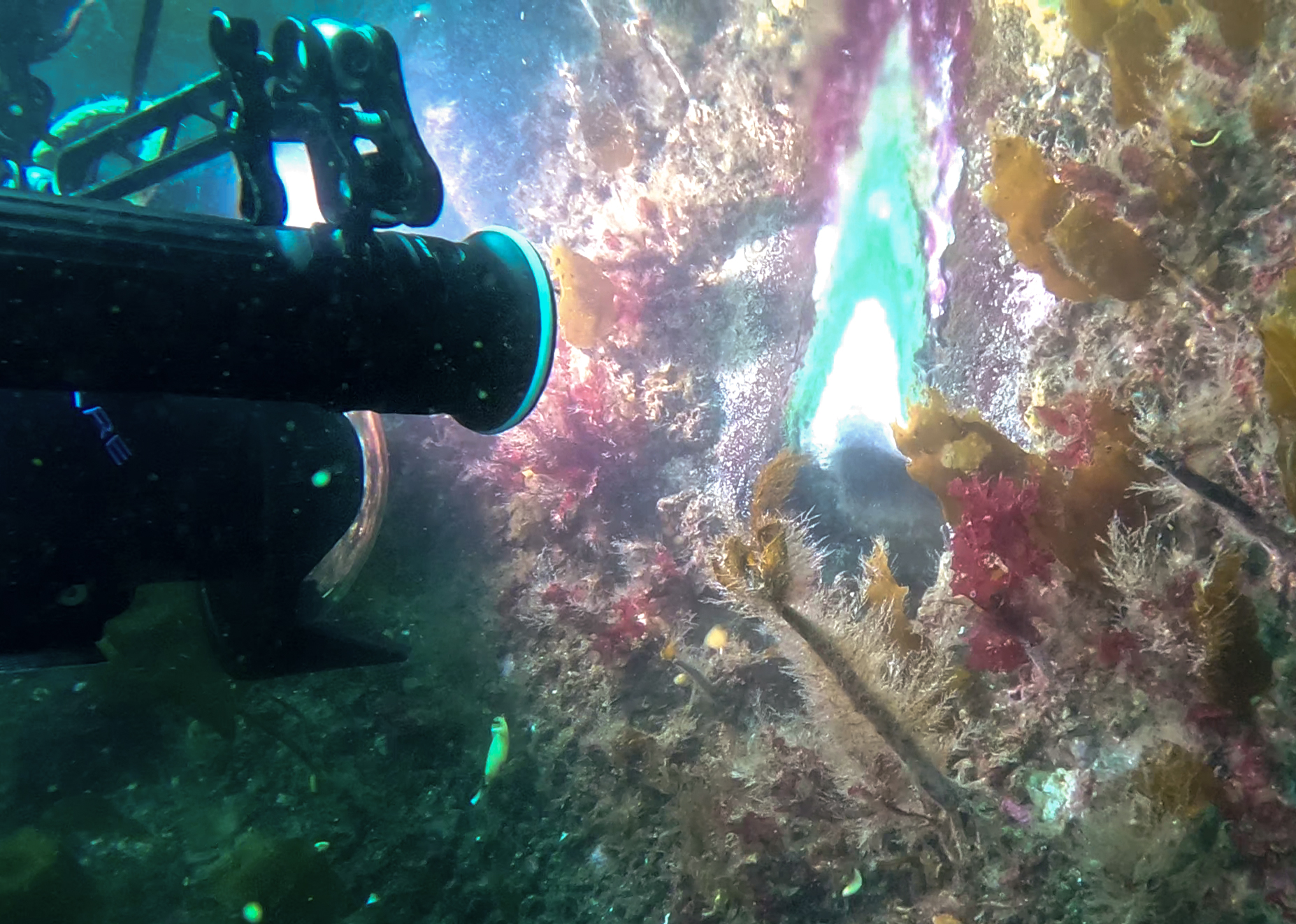
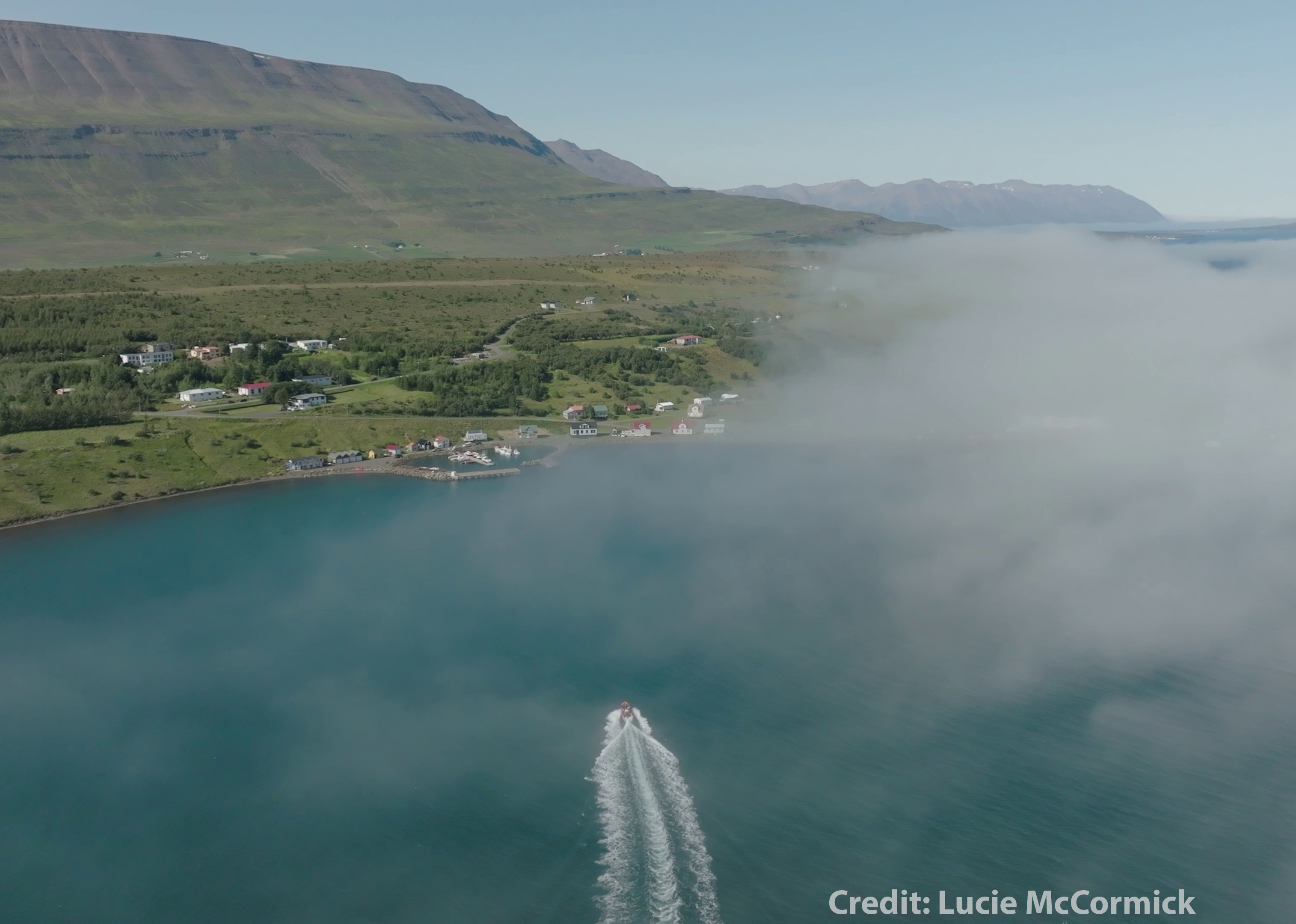
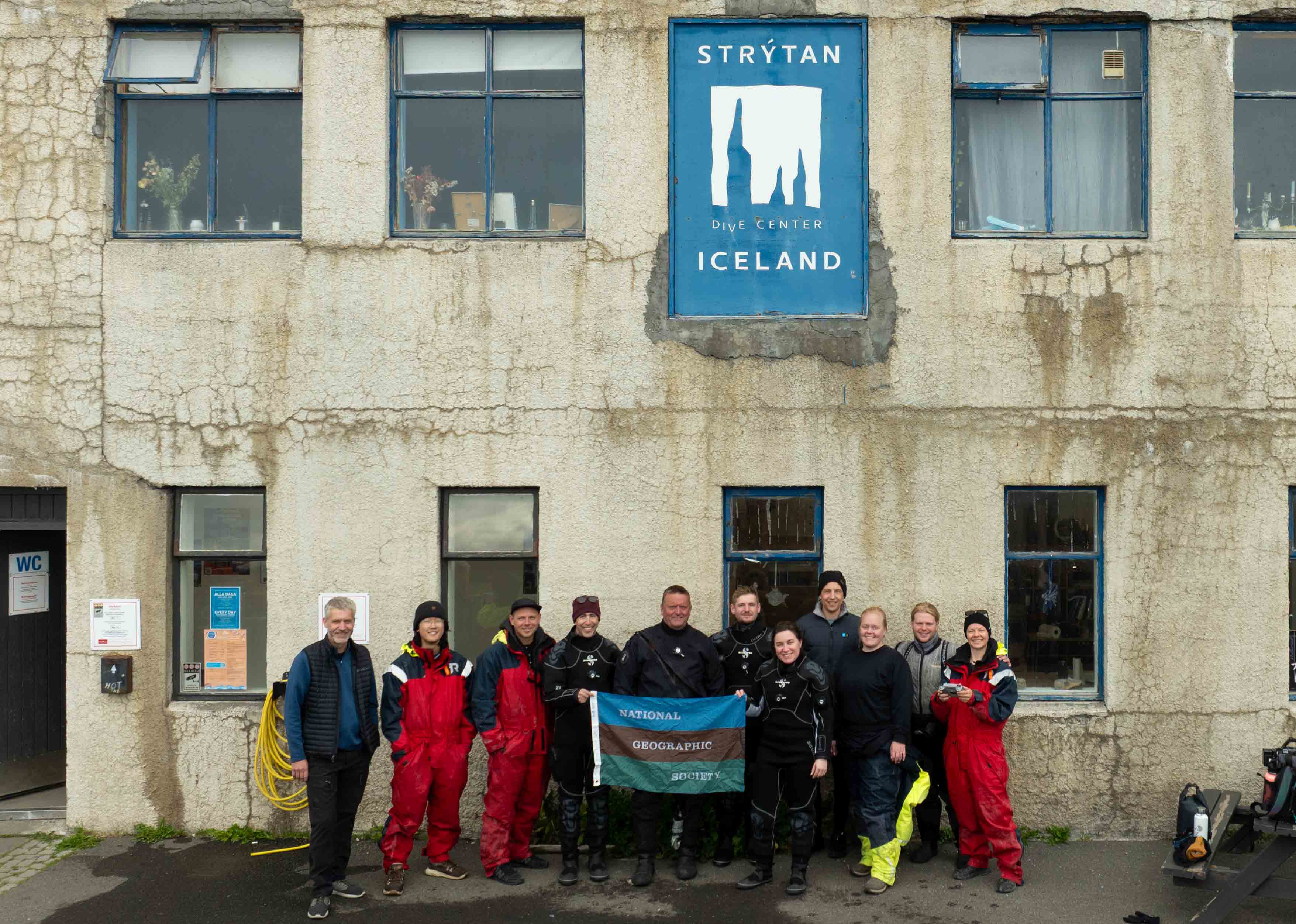
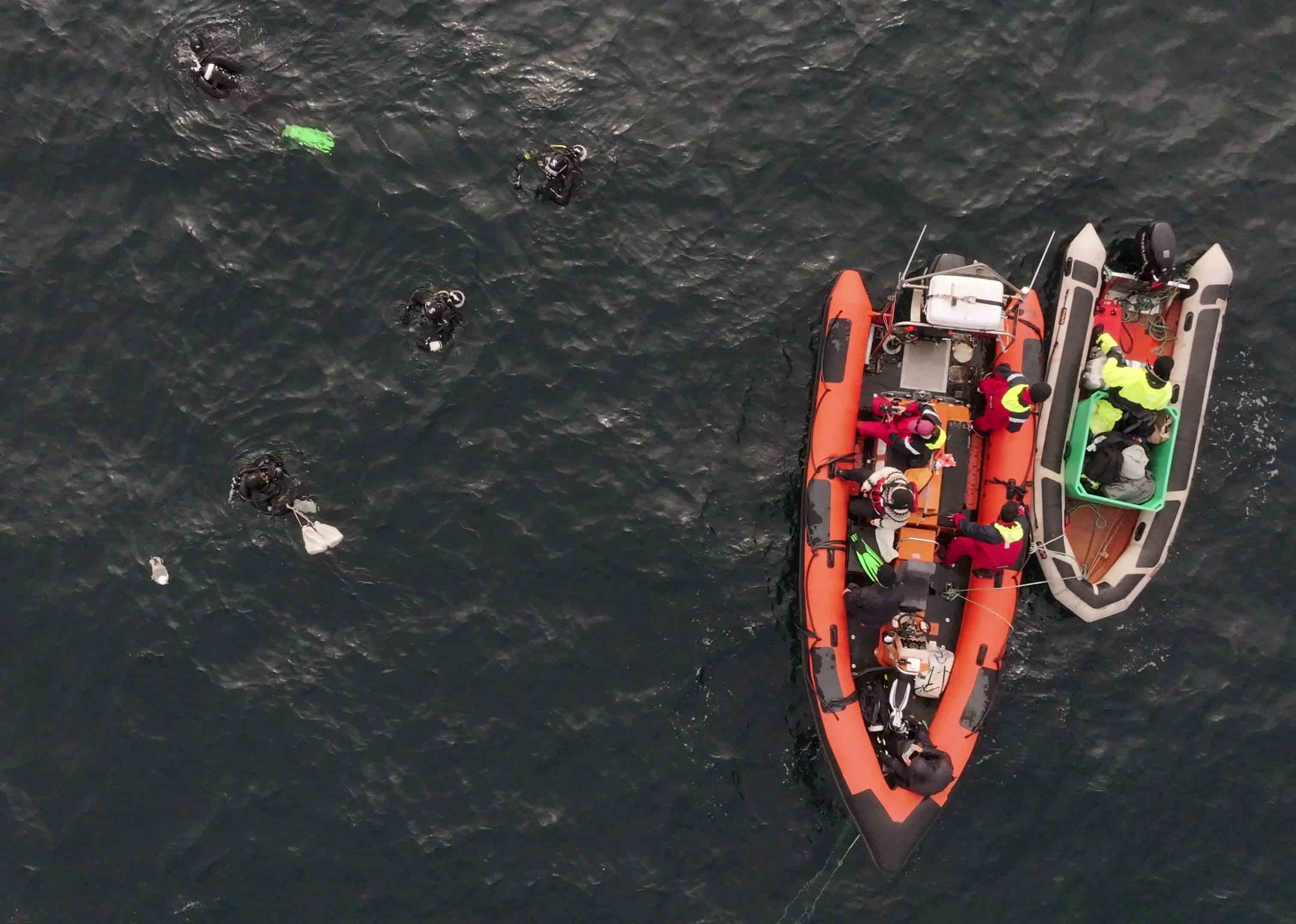
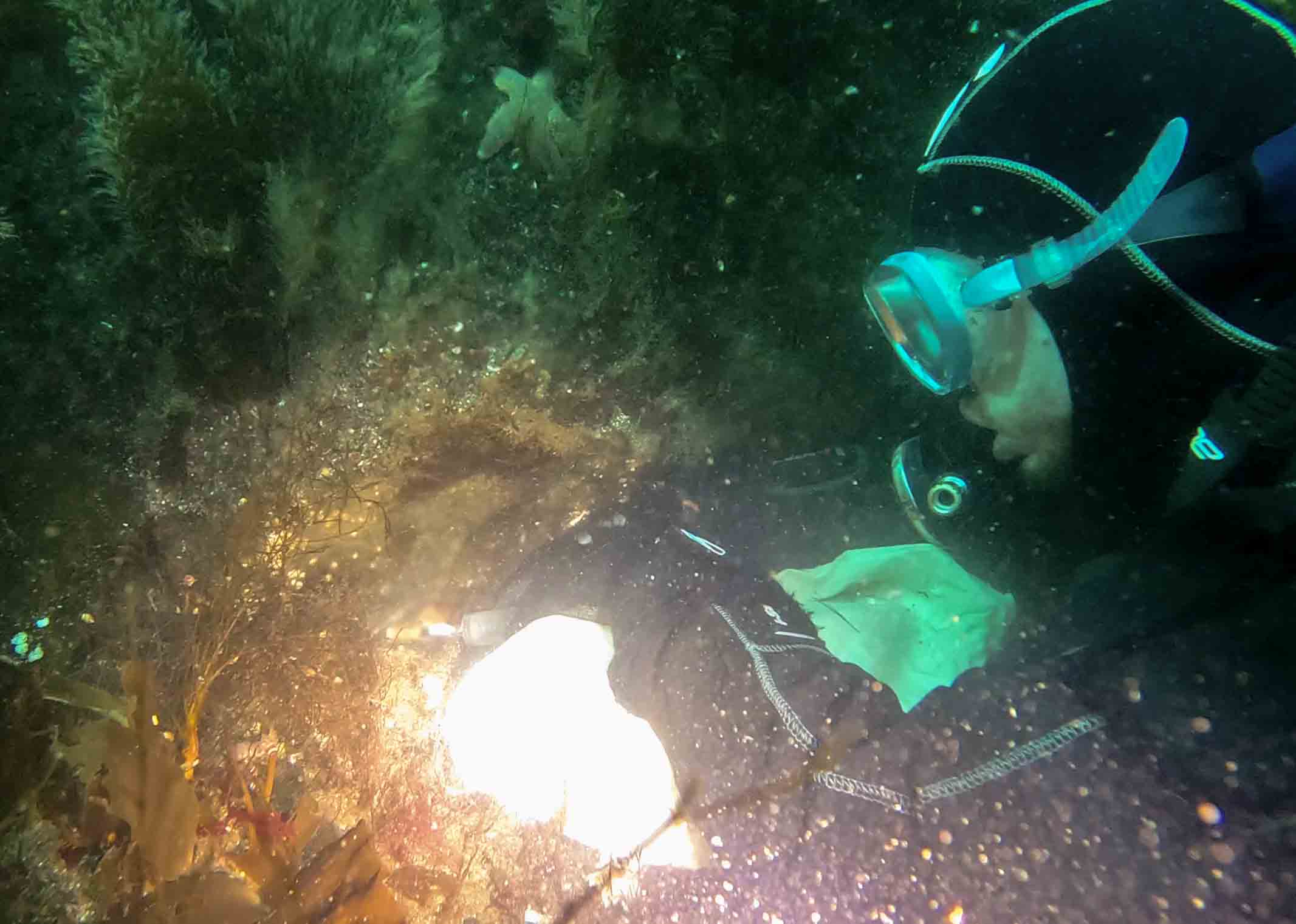
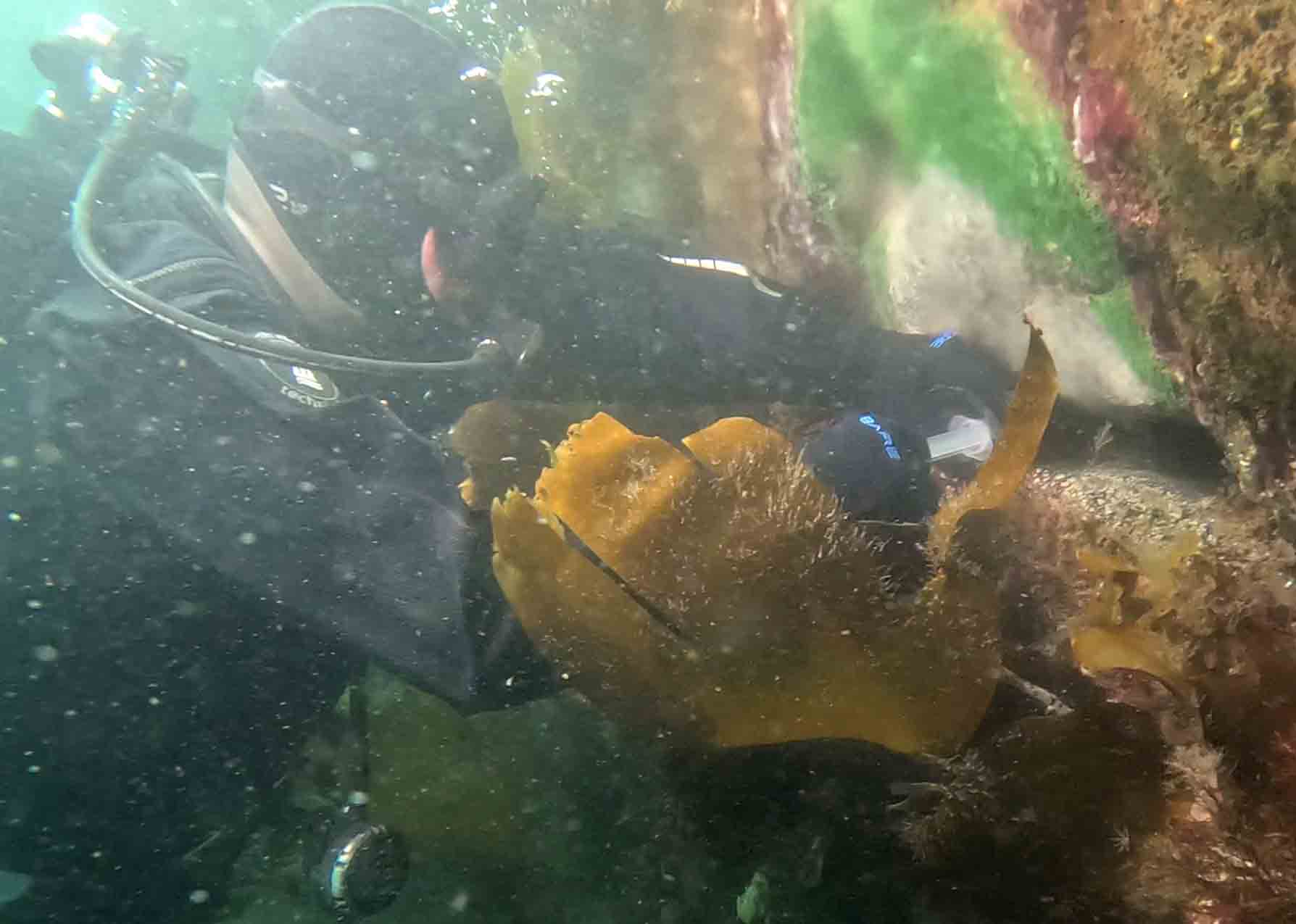
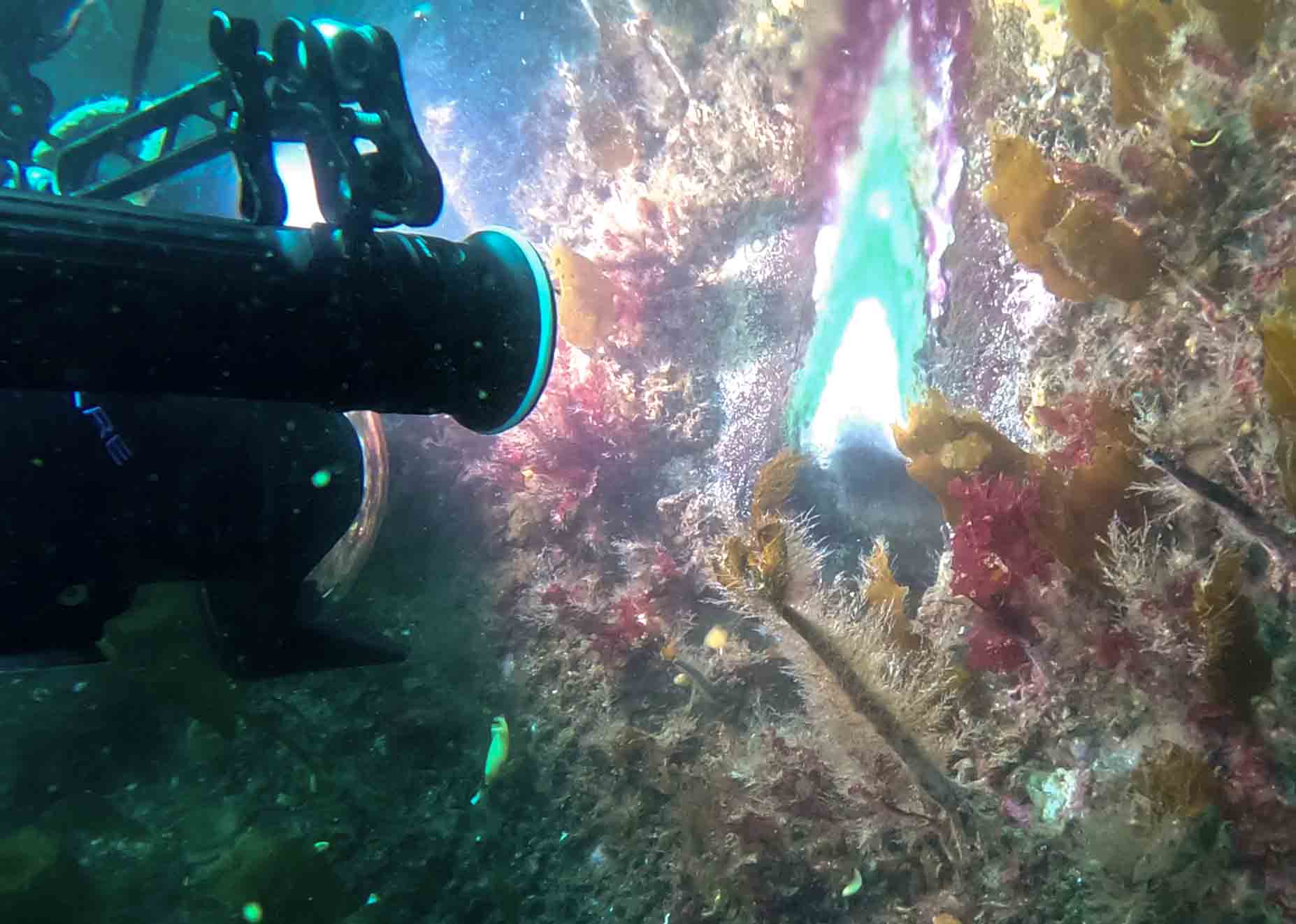
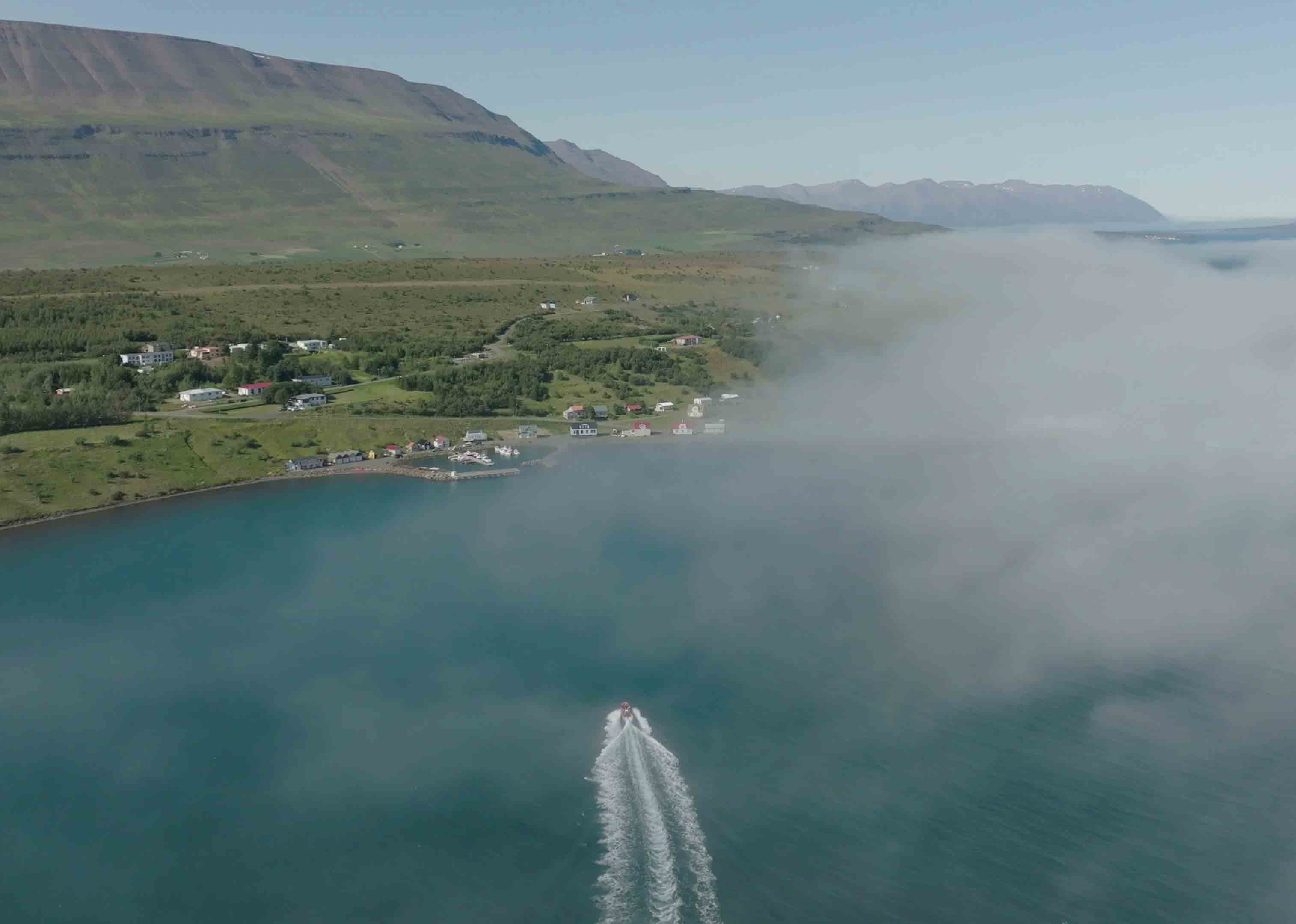
New hydrothermal vents in the Eyjafjörður fjord, Iceland
The Eyjafjörður fjord in northern Iceland hosts some of the only shallow alkaline hydrothermal vents in the world.
Vents like these may have been the crucible from which life originated. The composition of the fluids could naturally form the basic building blocks for life, and the geochemical gradients formed by the mixture of freshwater and seawater could generate the biochemical energy for some of the earliest microorganisms.
Recently, a new and shallower vent system was discovered, so we dove these new vents in August 2026 to characterize microbial communities within their mineralogical and geochemical context.
Canyons, Vents, and Seeps of the Chilean Triple Junction
The Chilean Triple Junction is currently the only place on Earth where a spreading mid-ocean ridge is being subducted underneath converging plates.
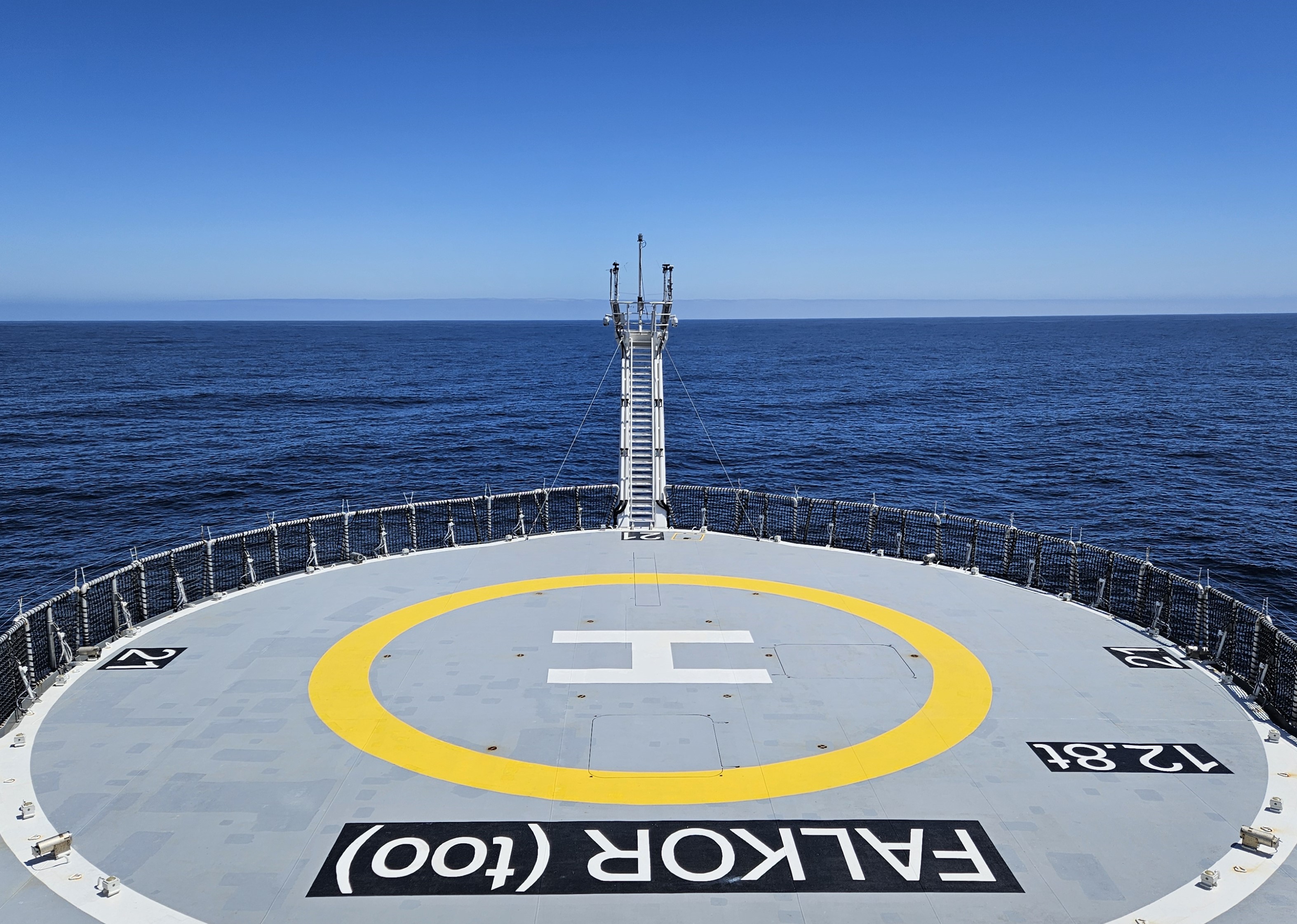
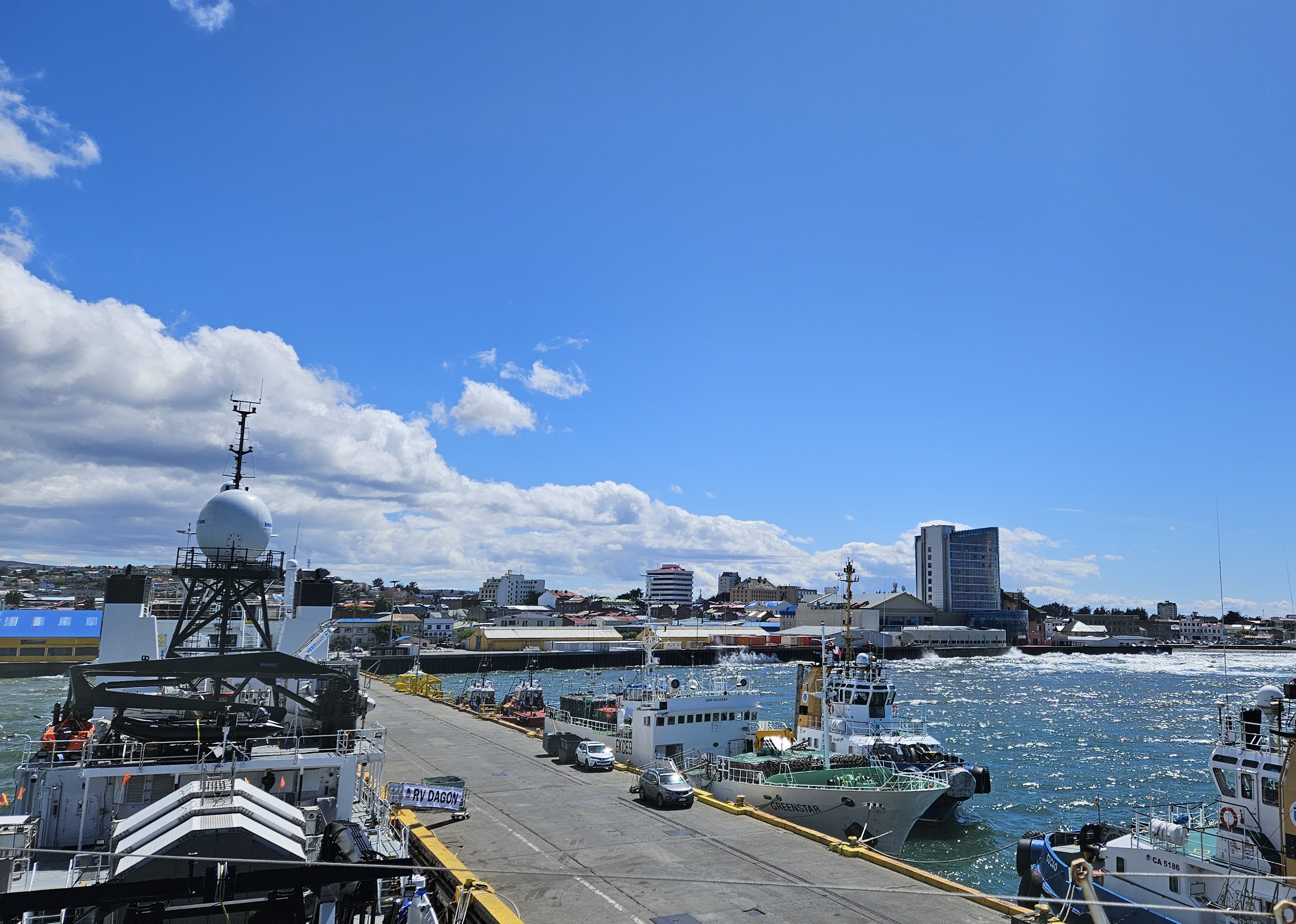
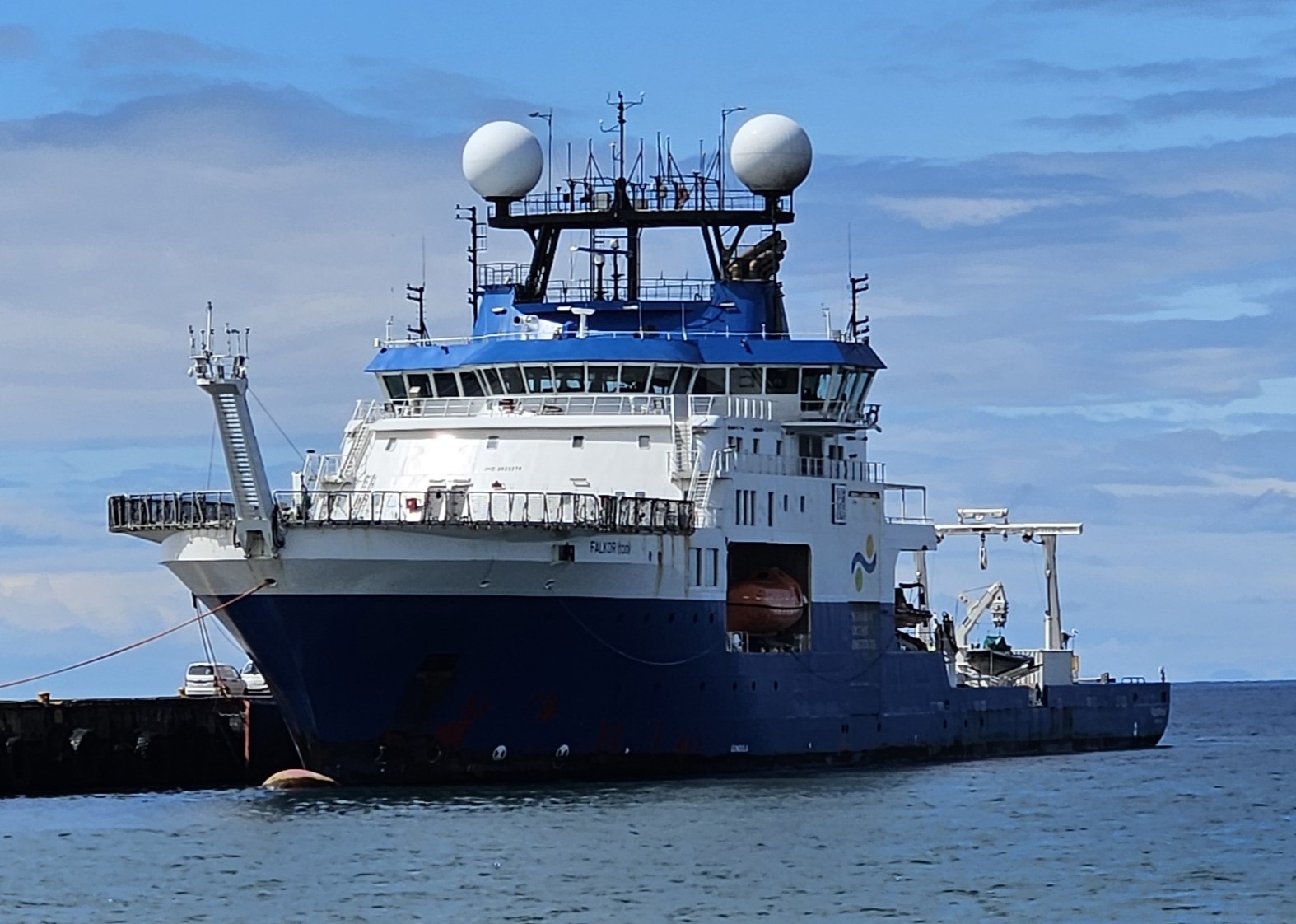
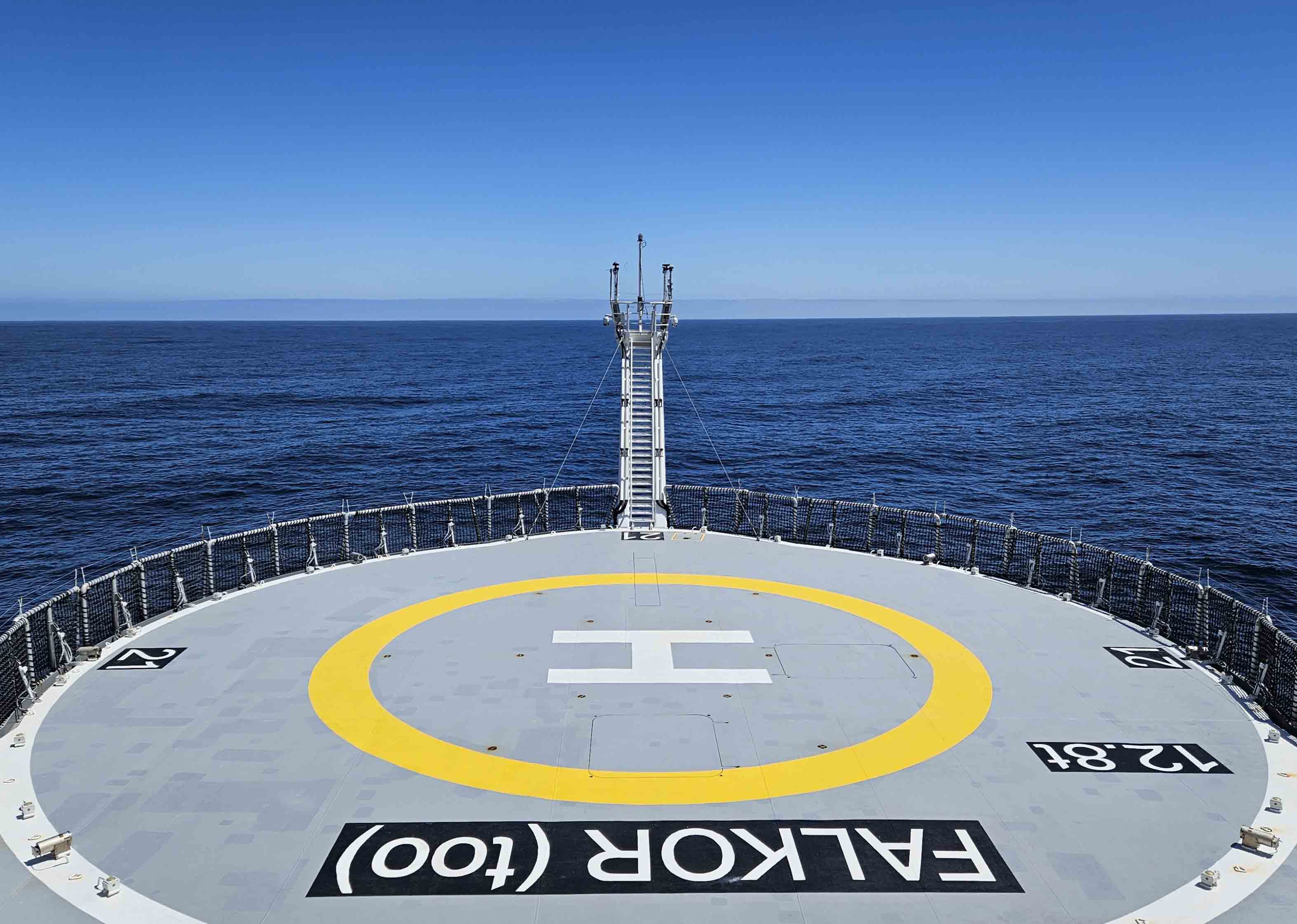
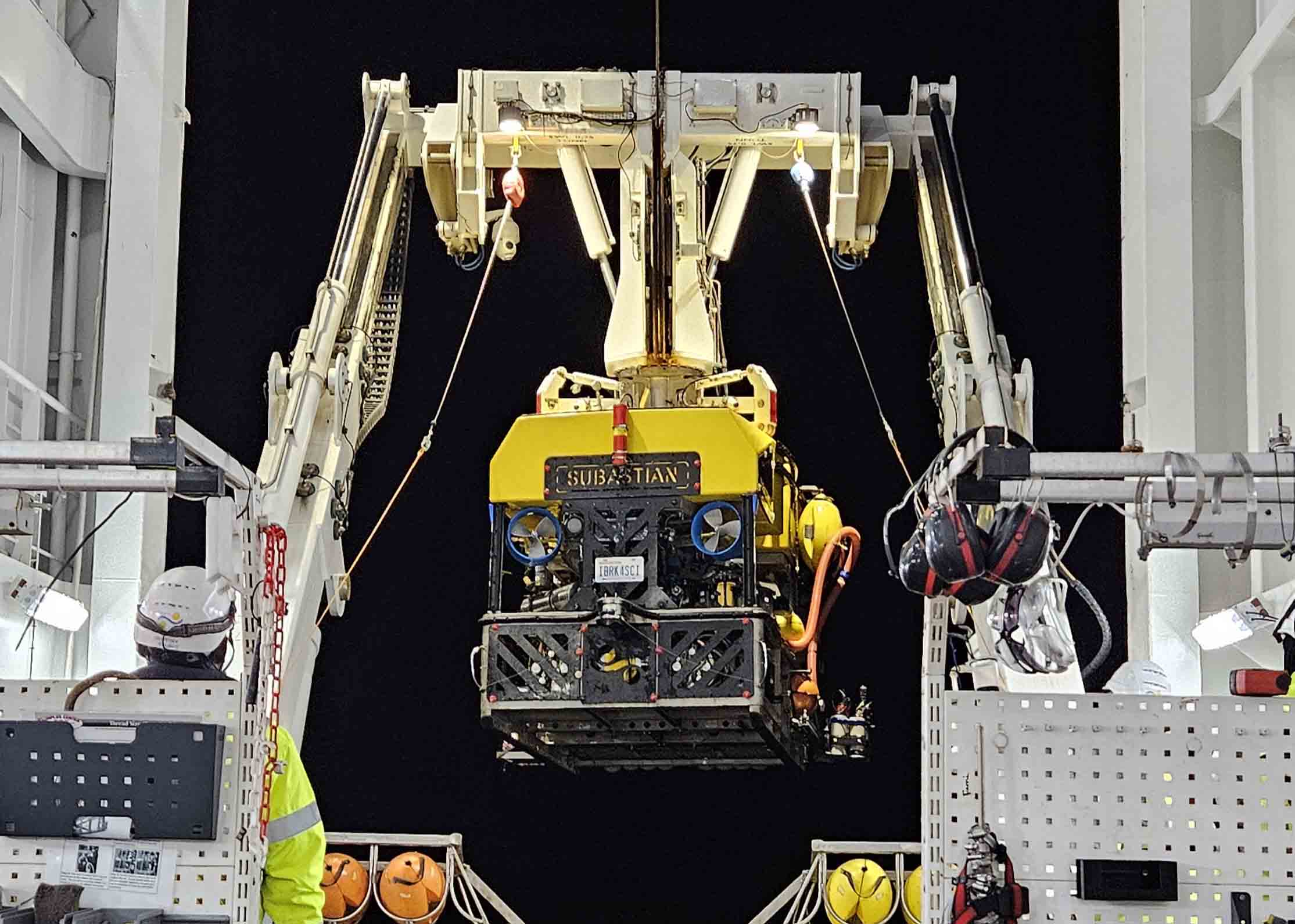
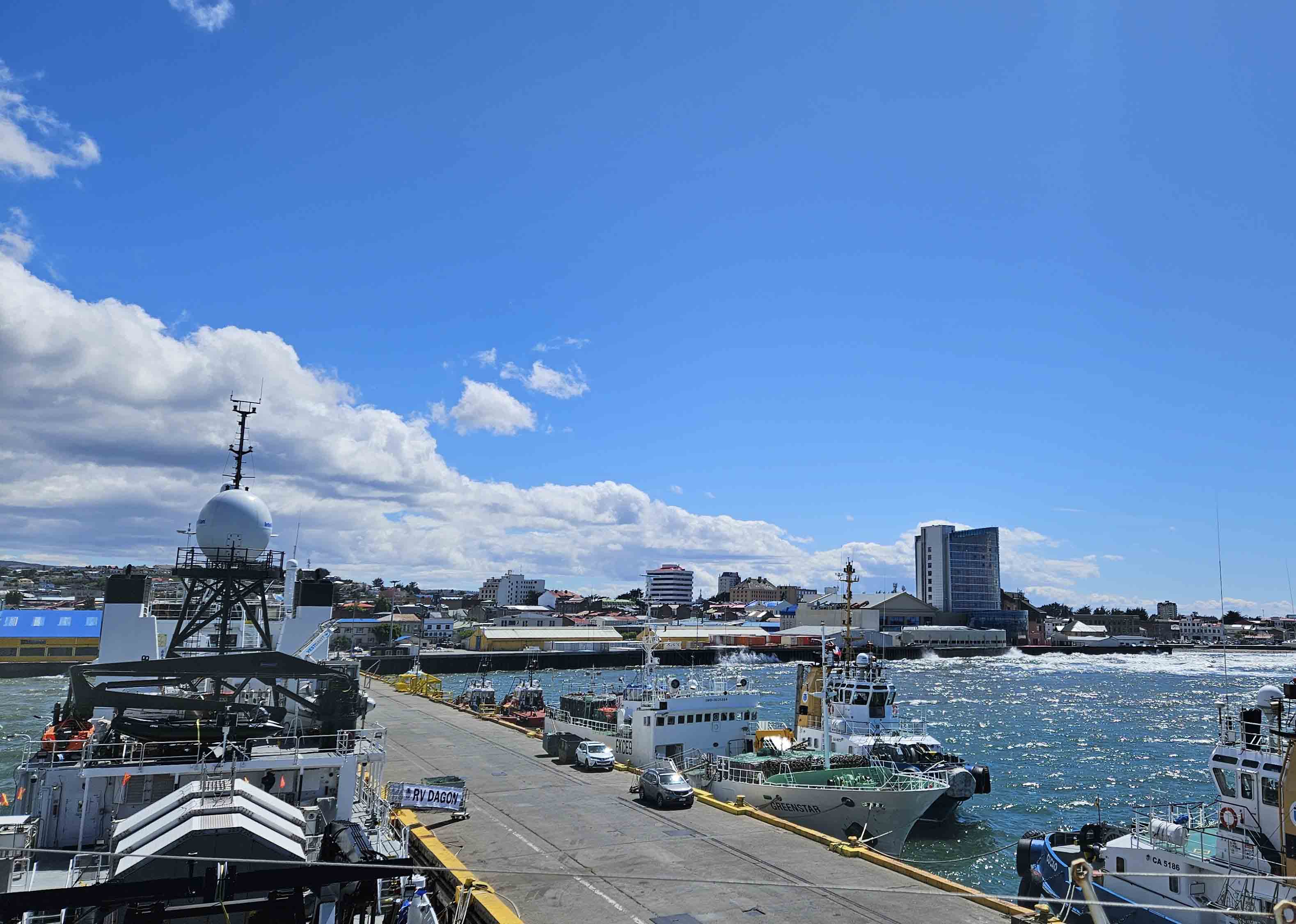
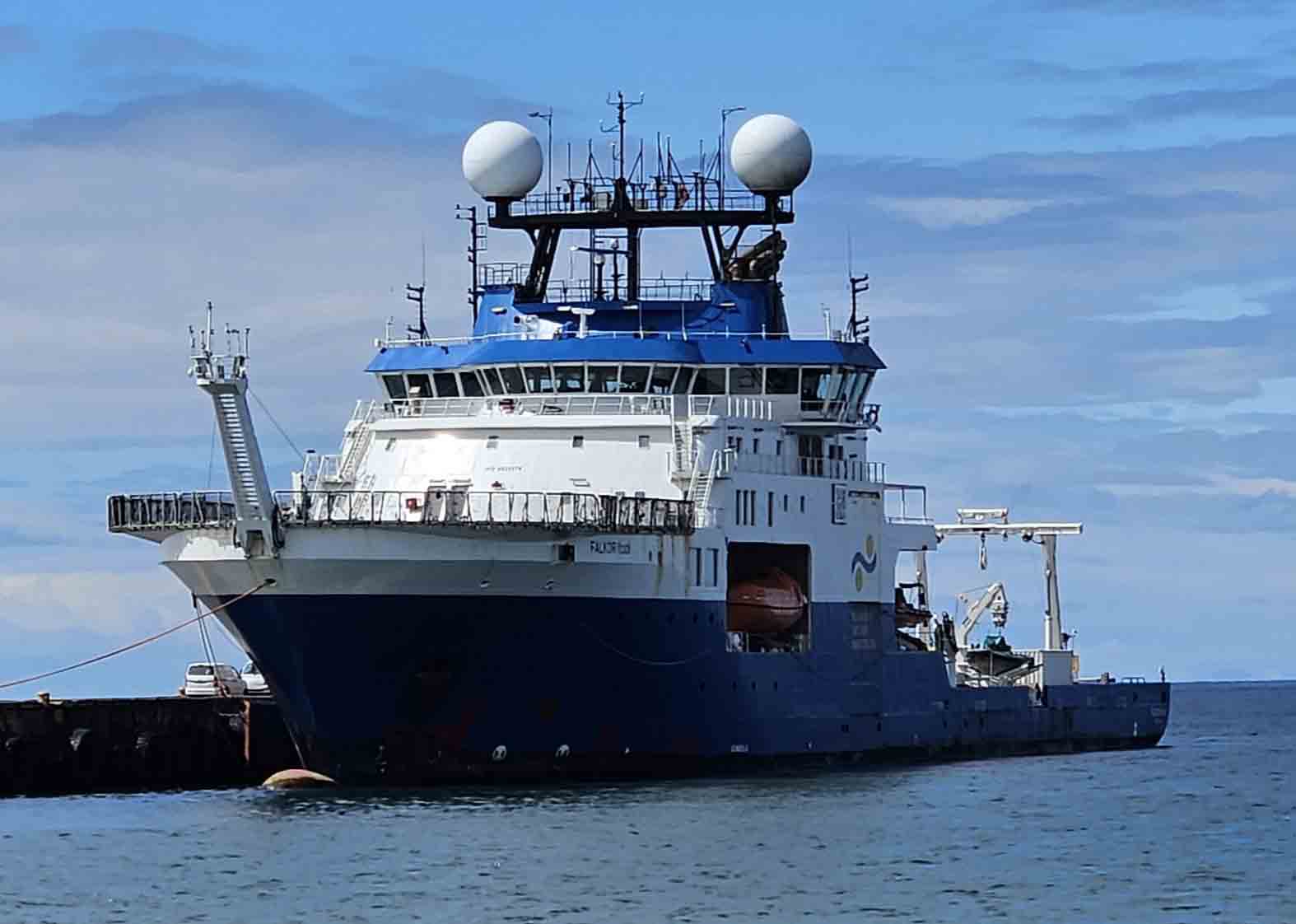
In November 2024, we sailed on the Schmidt Ocean Institute's R/V Falkor (too) to explore this unique geological region in search of hydrothermal vents, methane seeps, and deep sea canyons.
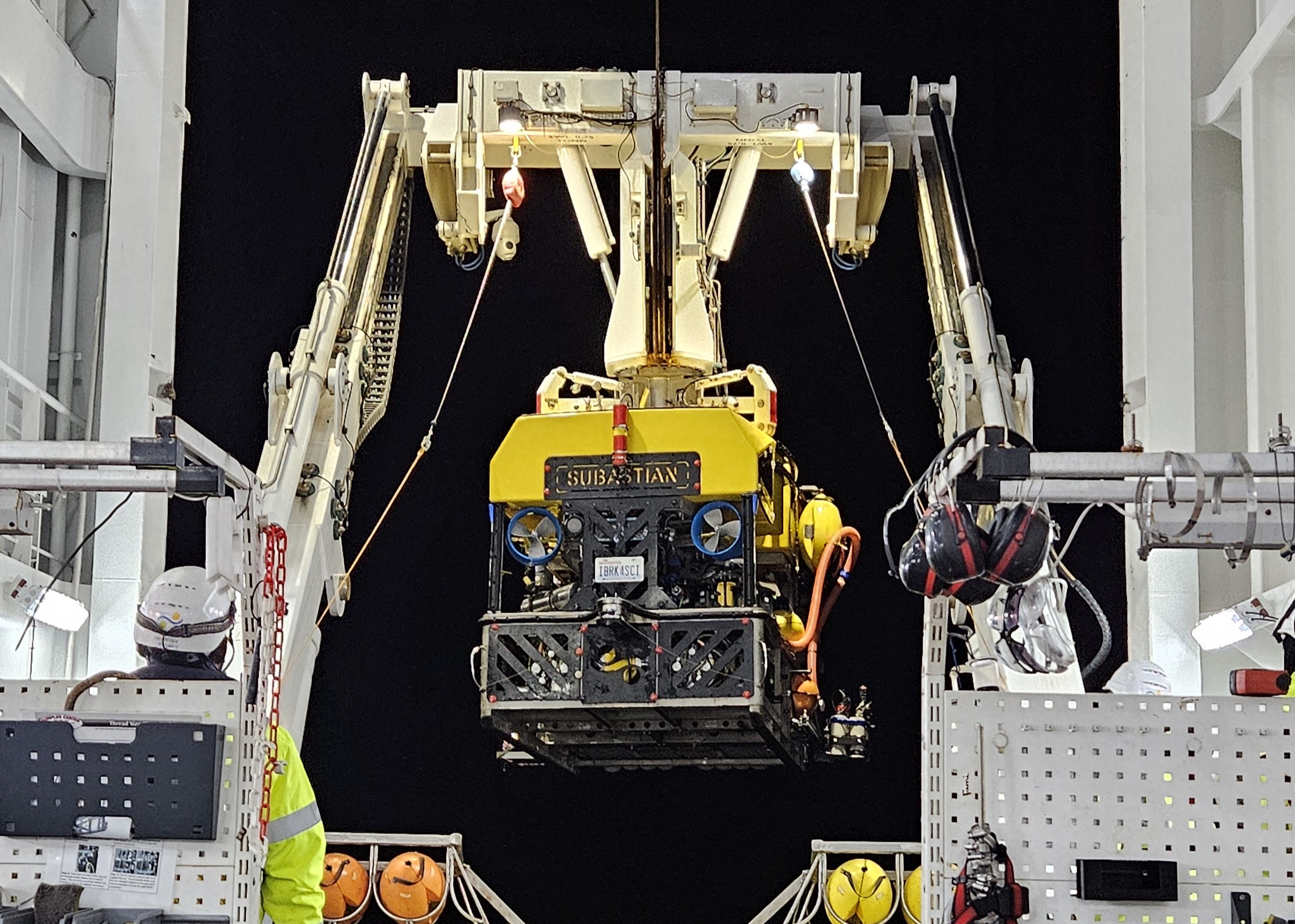
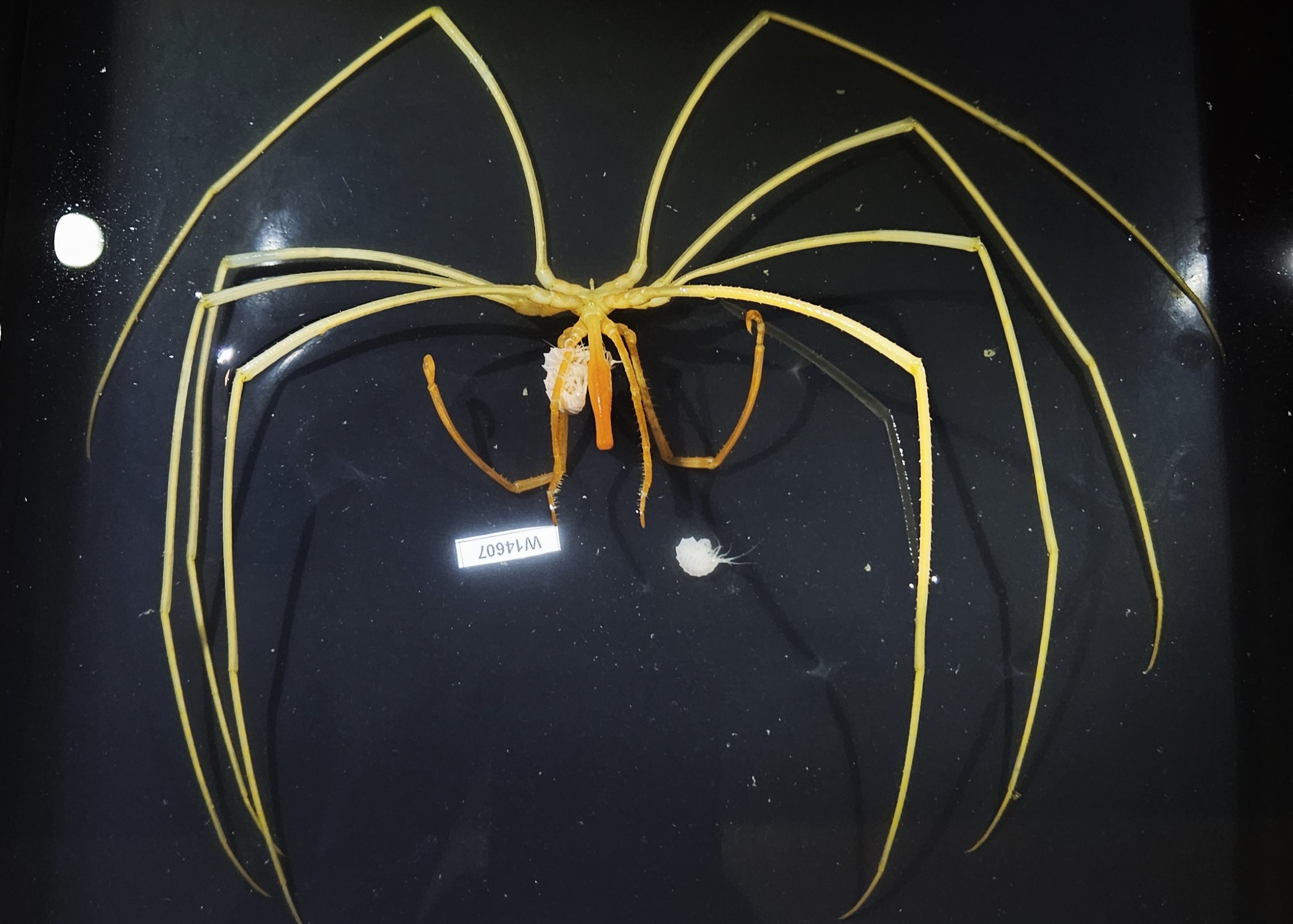
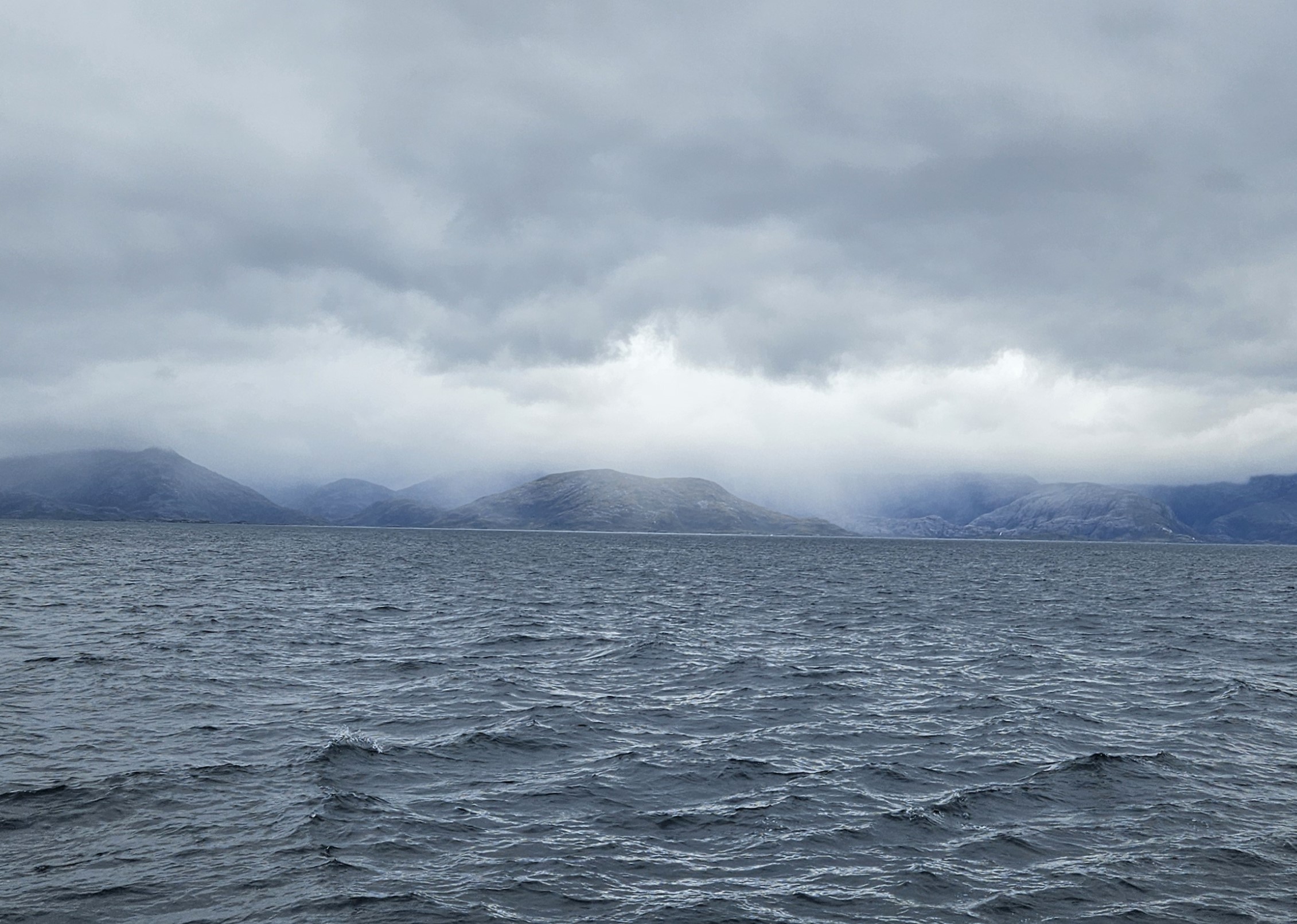
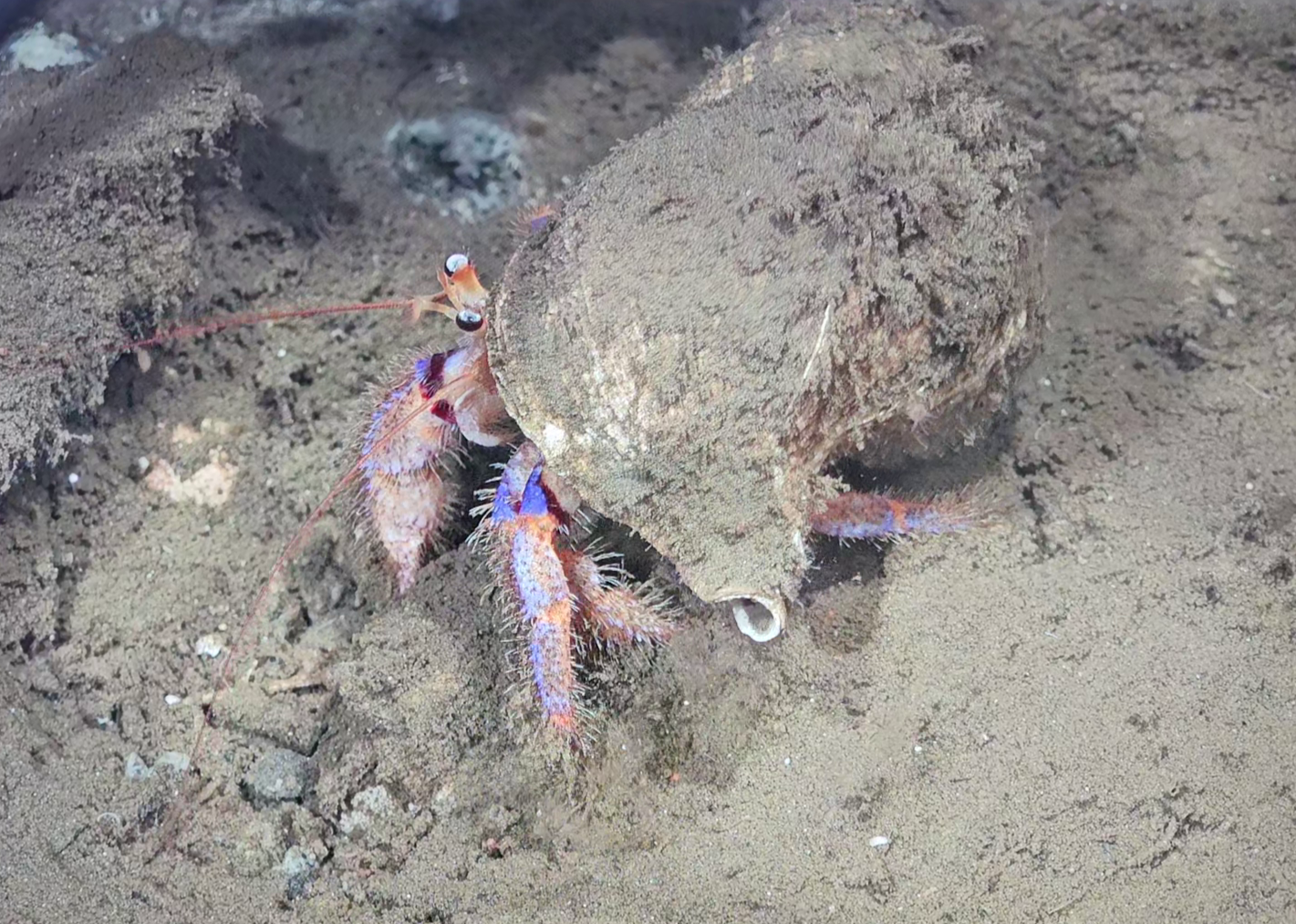
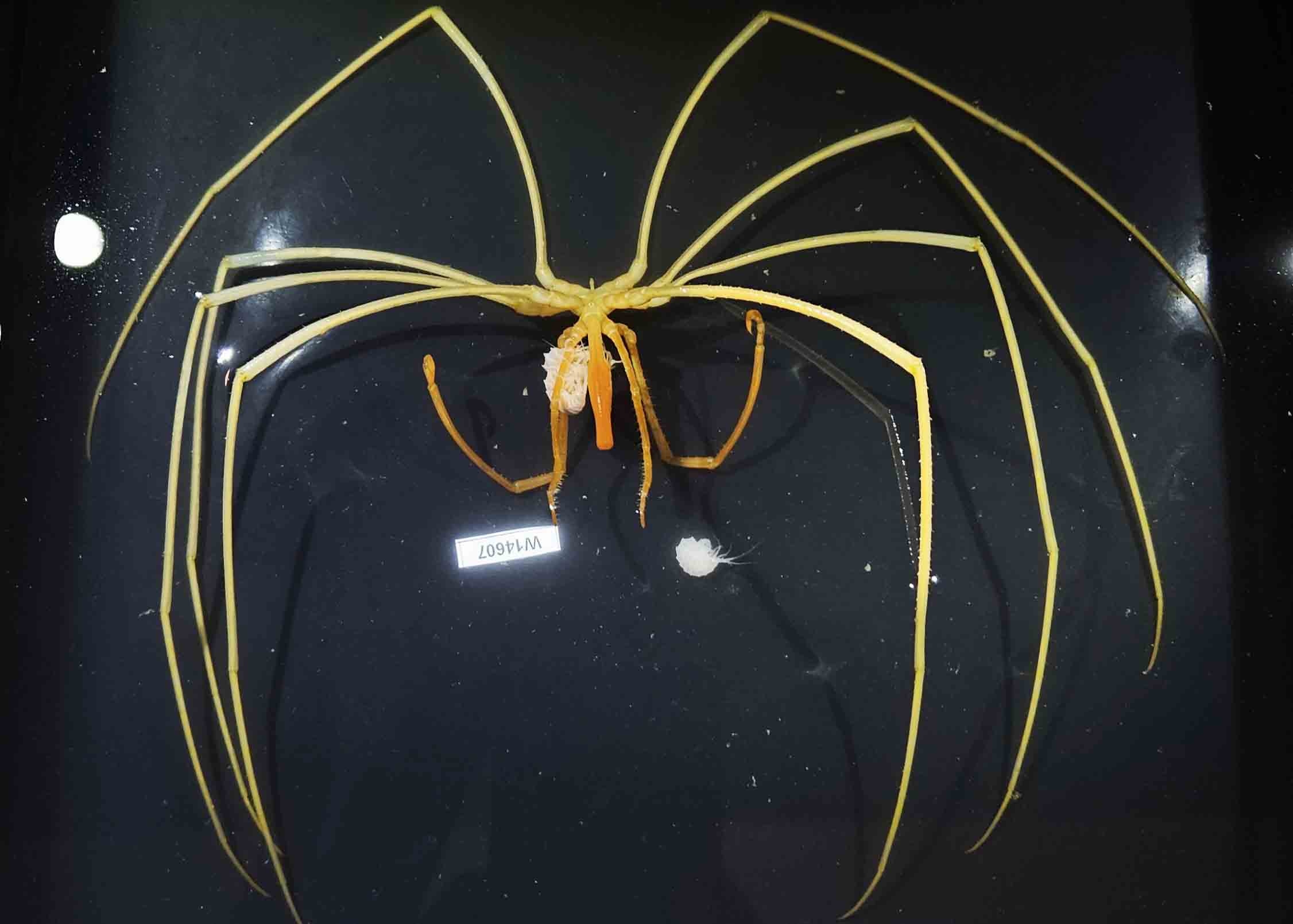
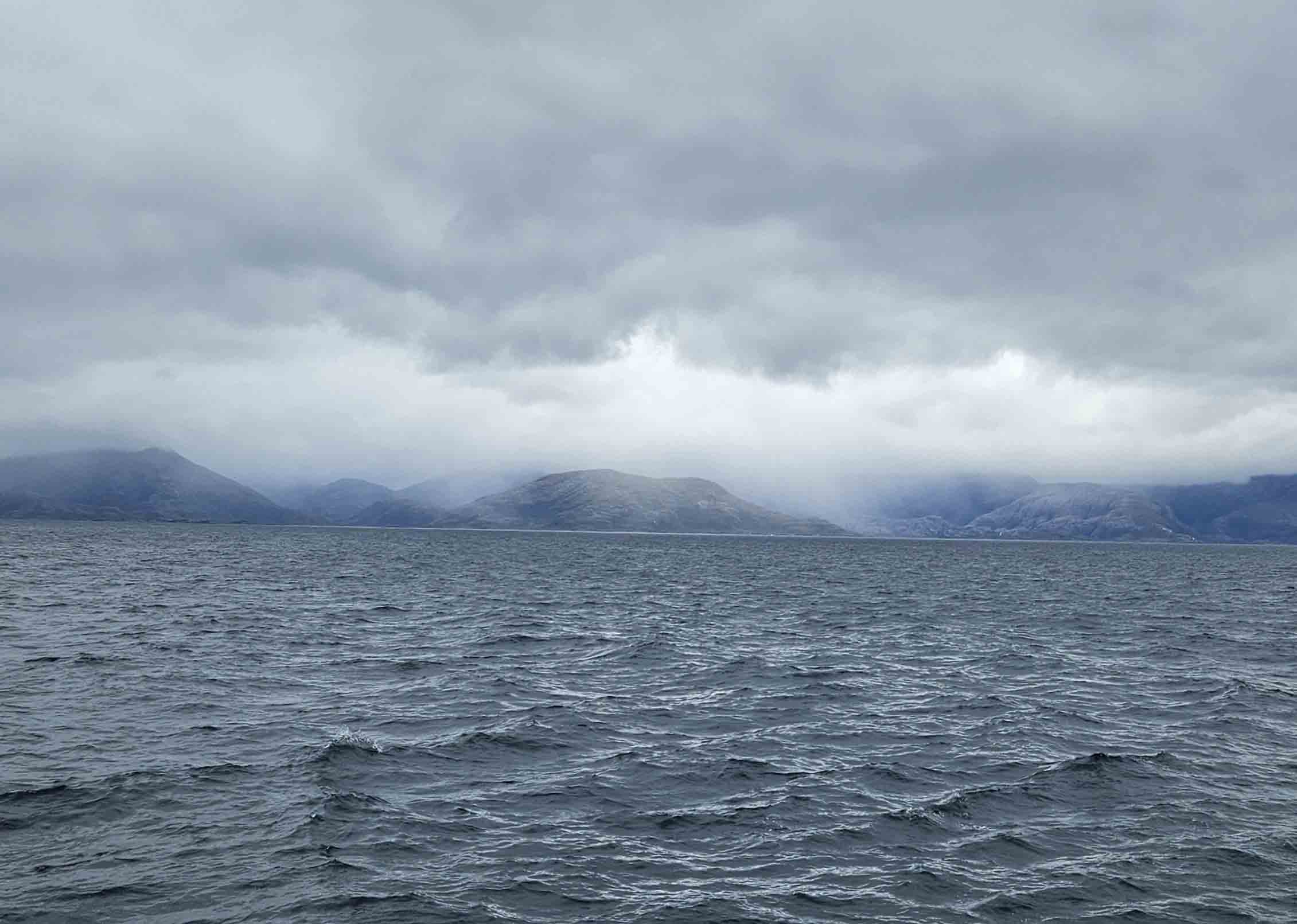
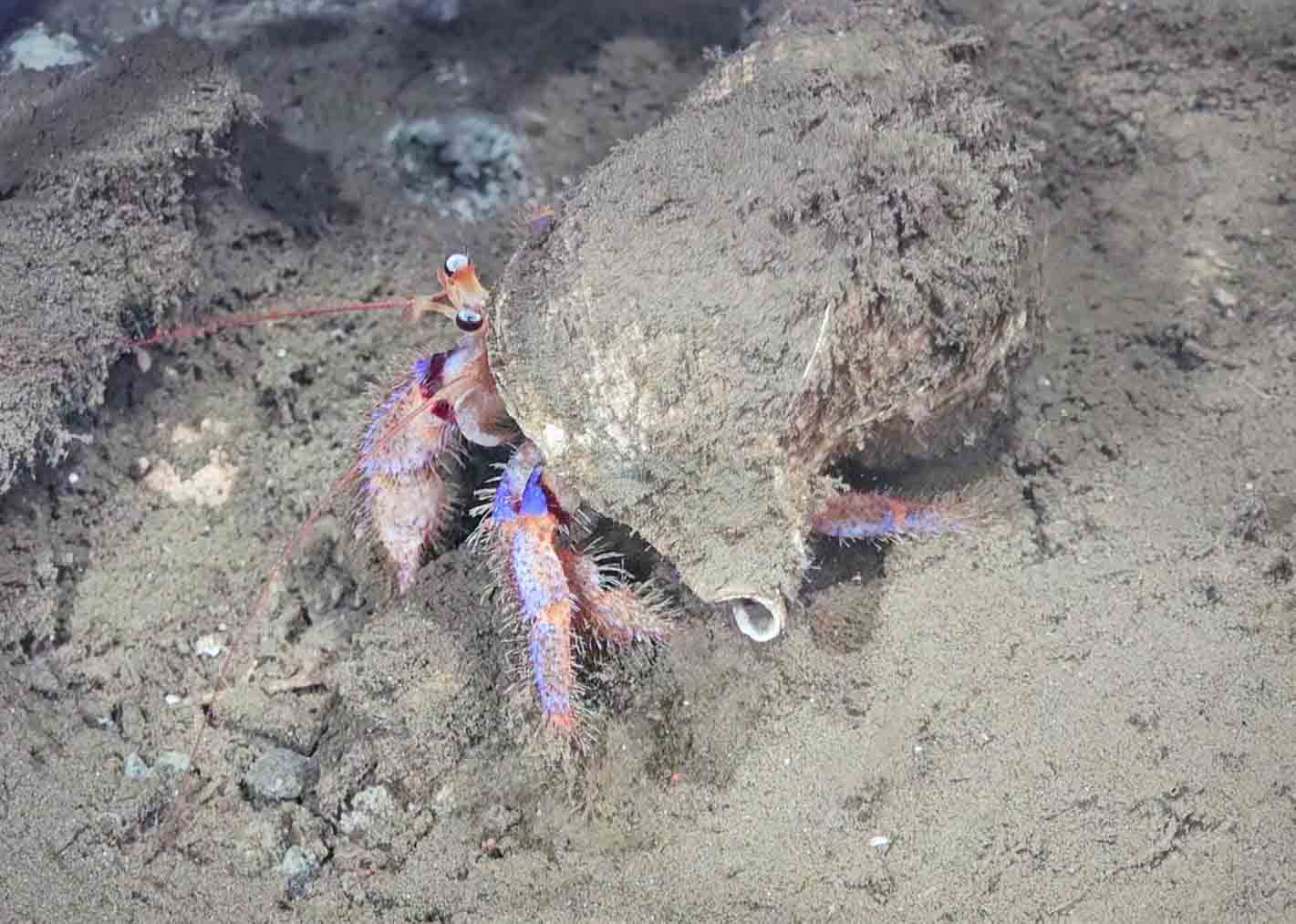
Despite the notoriously rough seas, we discovered new seeps, canyons, and a variety of flora and fauna species using the onboard ROV Subastian.
We ended the cruise through the historic Strait of Magellan, which provided safe passage for ships travelling between the Atlantic and Pacific Oceans before the Panama Canal was built.
Ultrabasic Springs of The Cedars
The Cedars is just one small part of The Cedars peridotite, which formed when mantle-rich rock was scraped on top of the crust through plate tectonics.
Over time, this rock reacts with the groundwater through a metamorphic chemical reaction known as serpentinization, which yields byproducts like hydrogen and methane gas that microbes can consume for energy.
Serpentinization can also dramatically raise the pH, reaching as high as pH 11-12 in some of the springs at The Cedars, and this fluid makes its way back to the surface forming springs encased in calcium carbonate.
Evidence for potential serpentinization has been found on Mars and in the plumes emitting from the moon Enceladus, and could have been important for some of the first metabolisms on Earth, making The Cedars and excellent location to study the origin of life and potential for life elsewhere in our solar system.
We have mounted three expeditions to The Cedars--October 2023, August 2024, and November 2024--to capture the range of geochemical and microbiological diversity of the extreme springs scattered throughout the mountainside.
The Hypersaline Basque Lakes
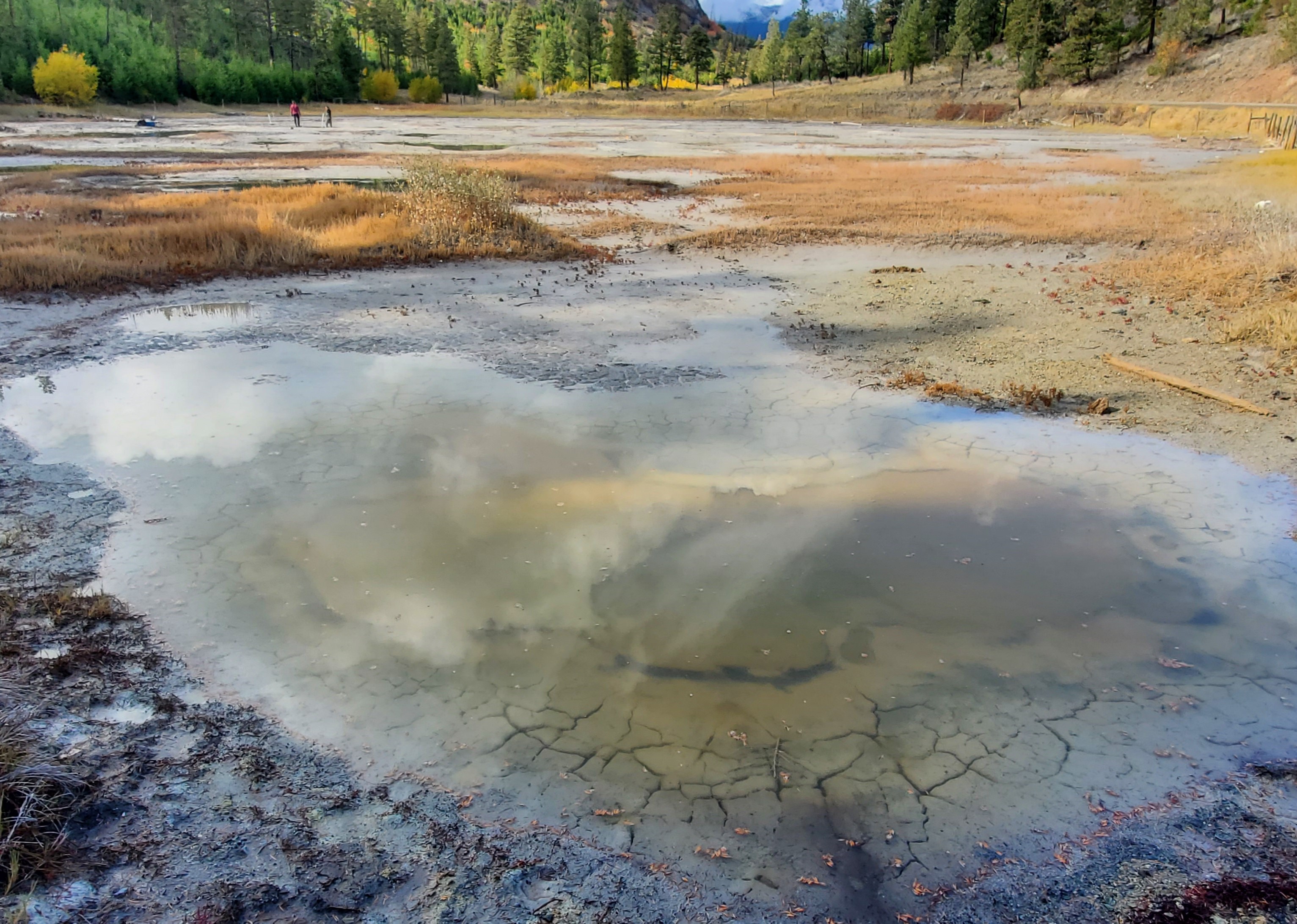
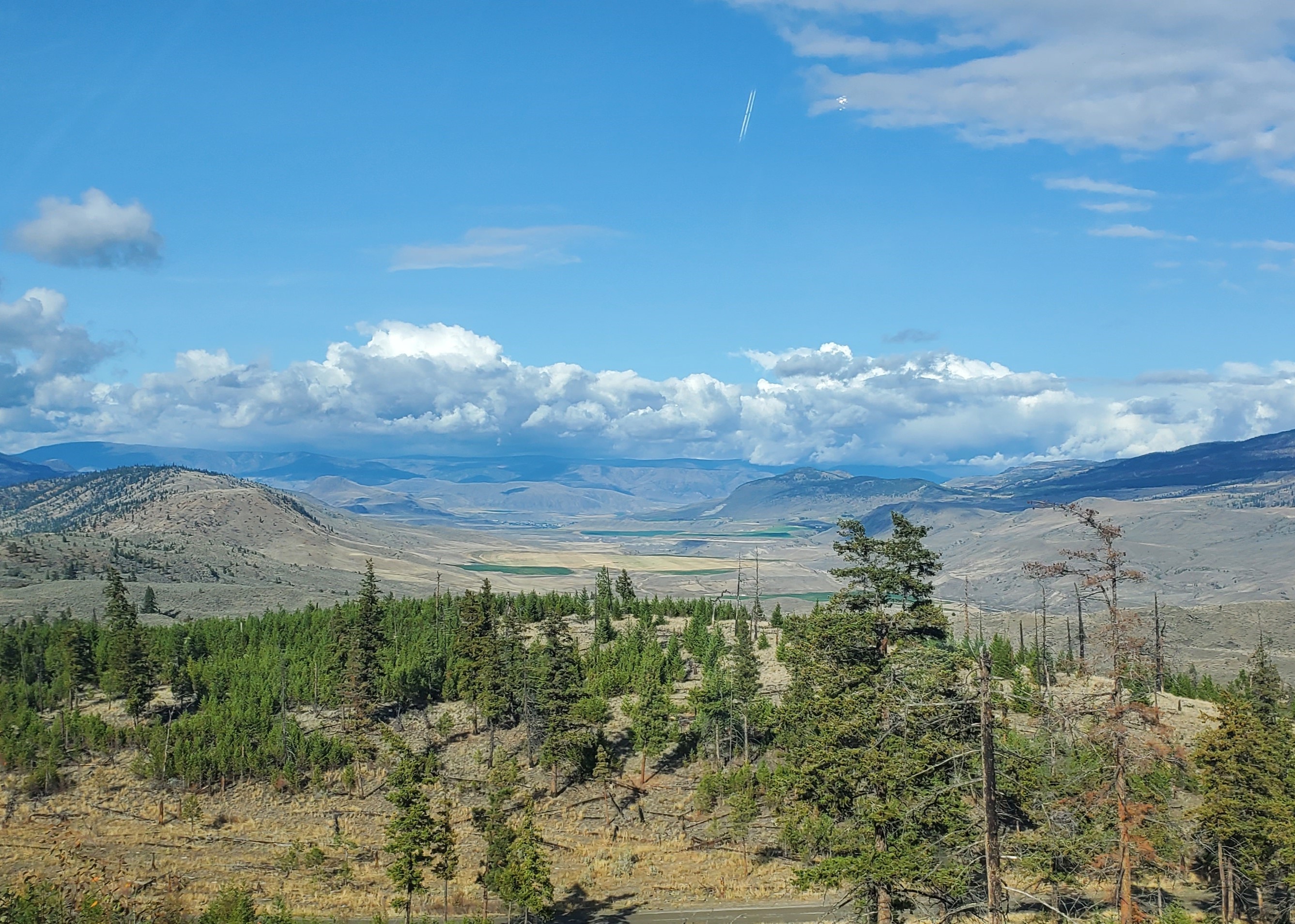
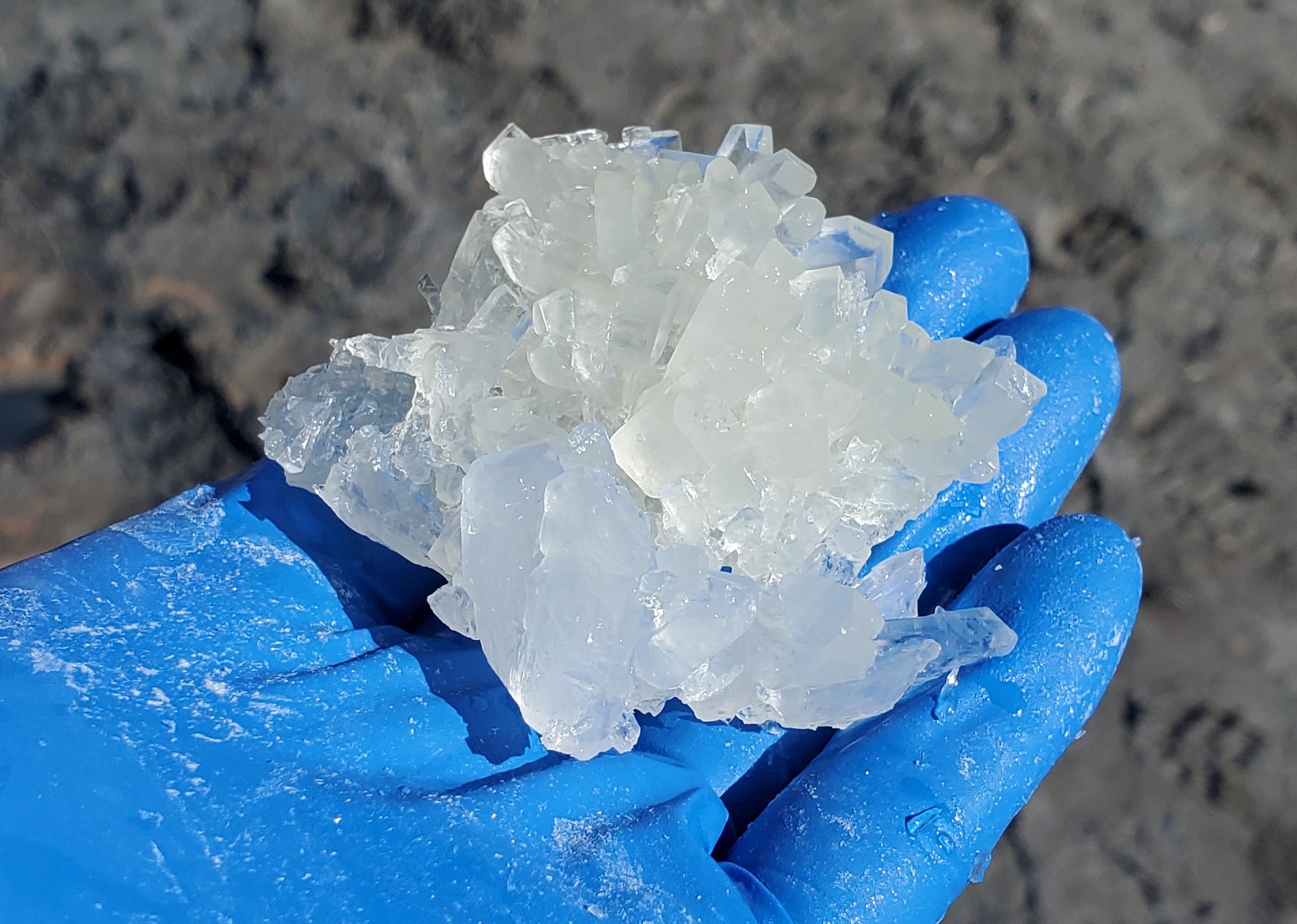
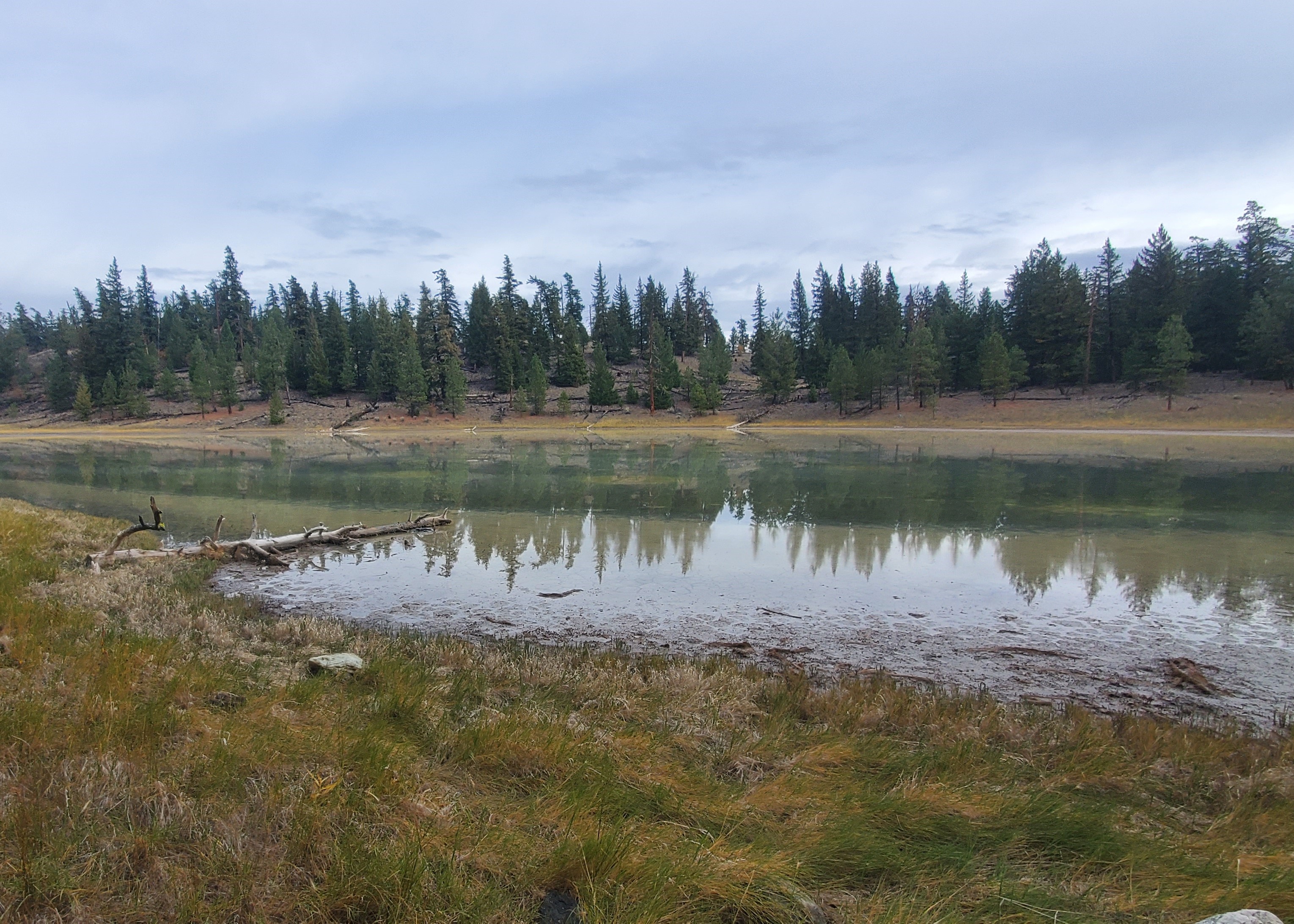
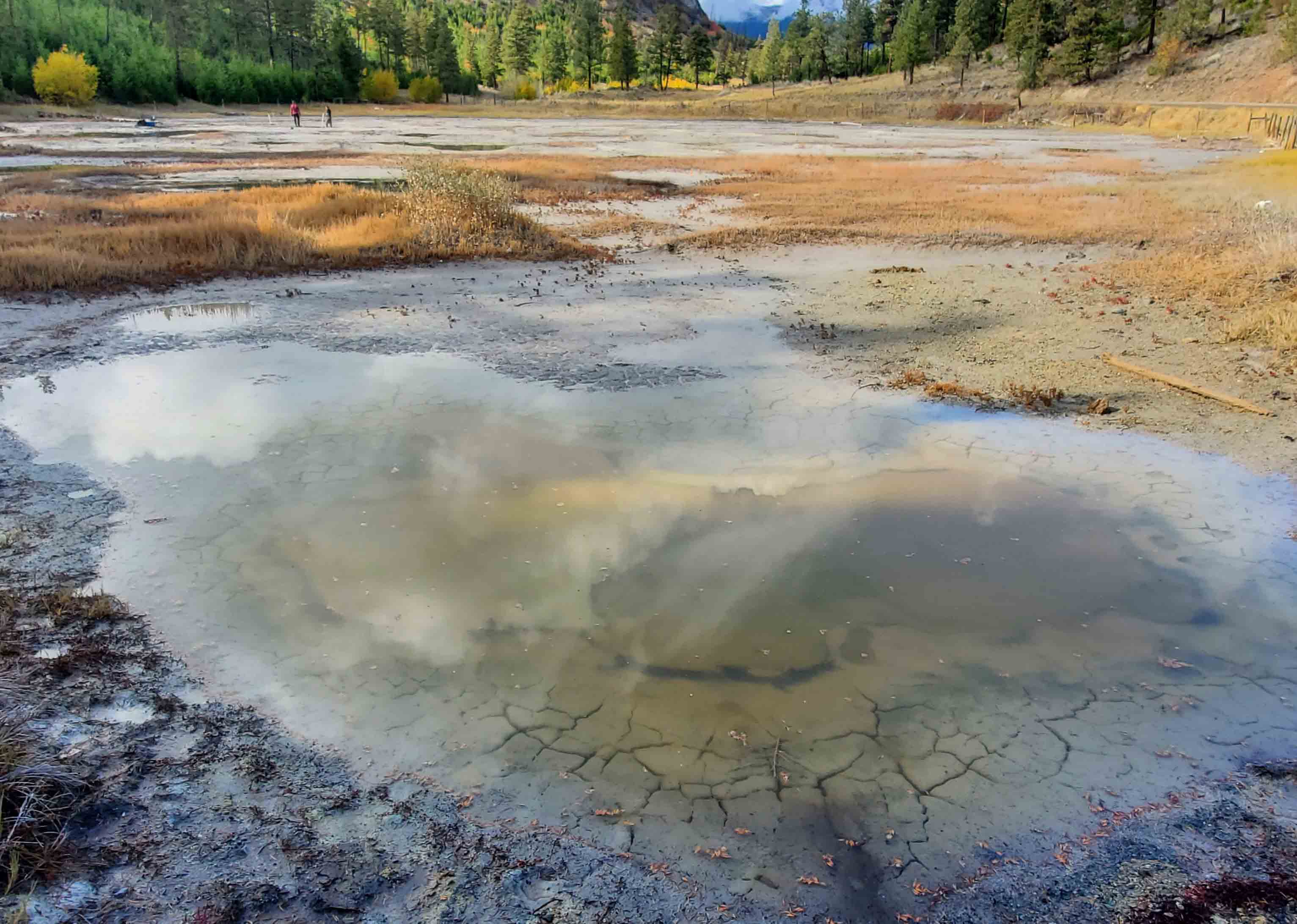
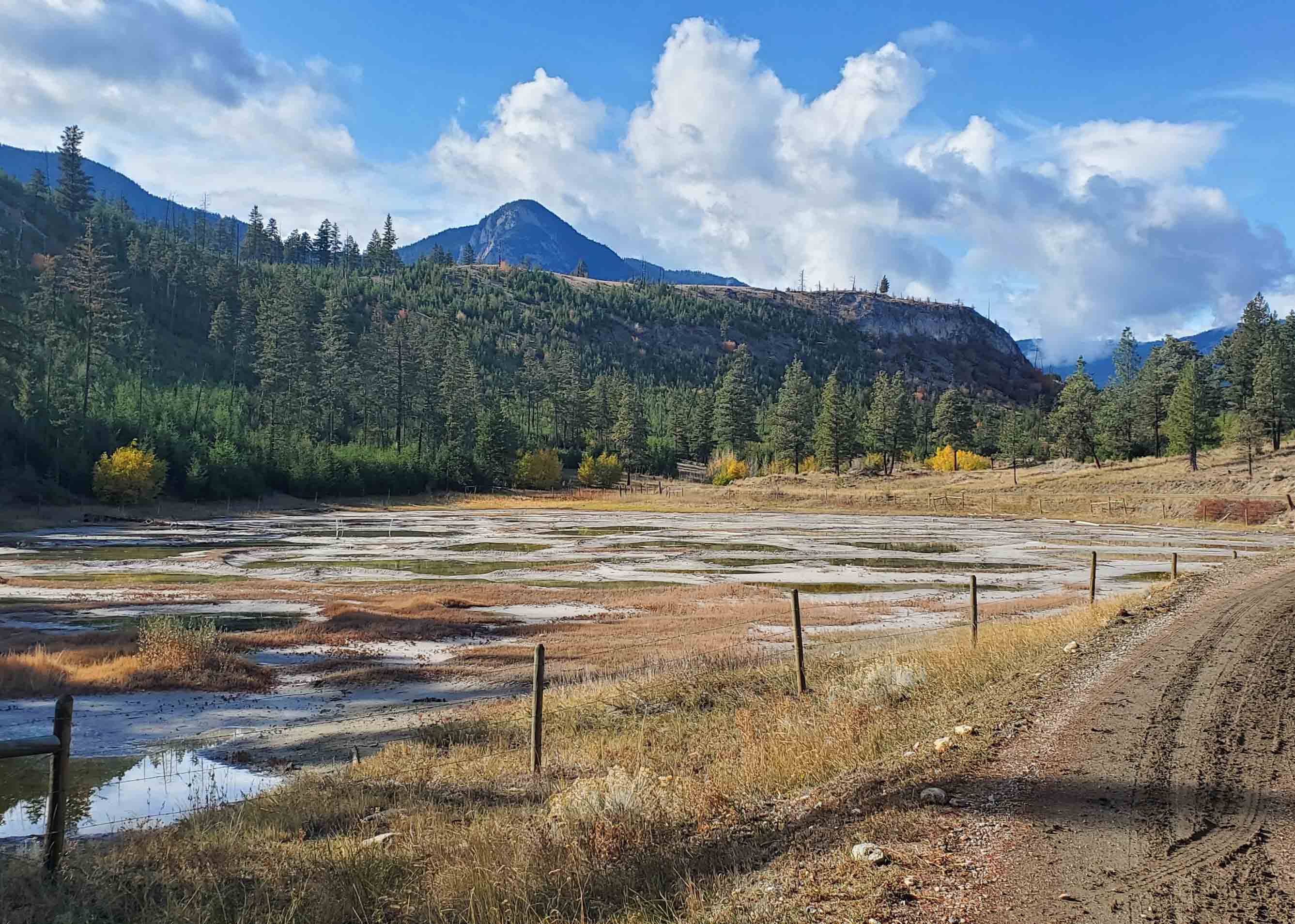
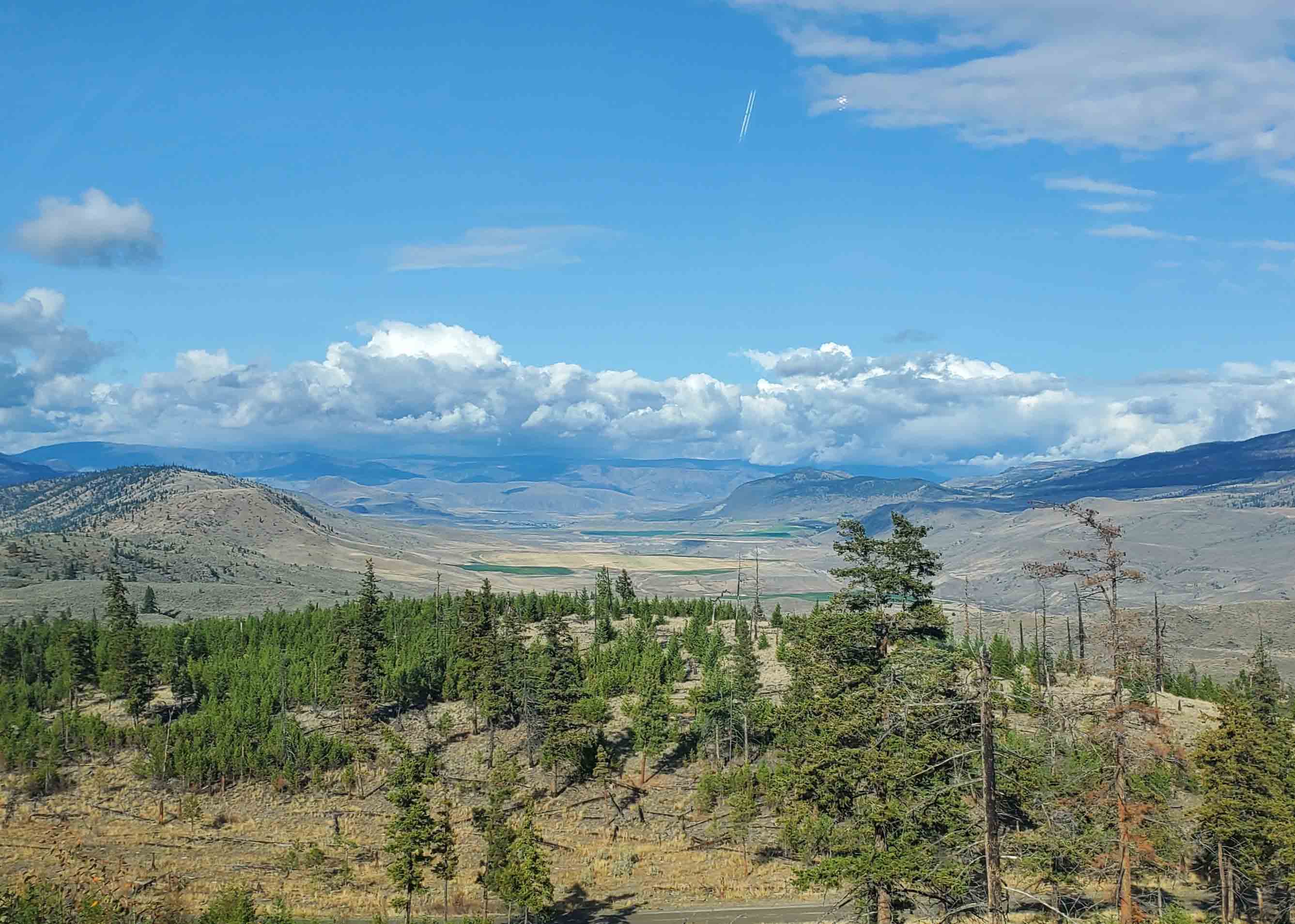
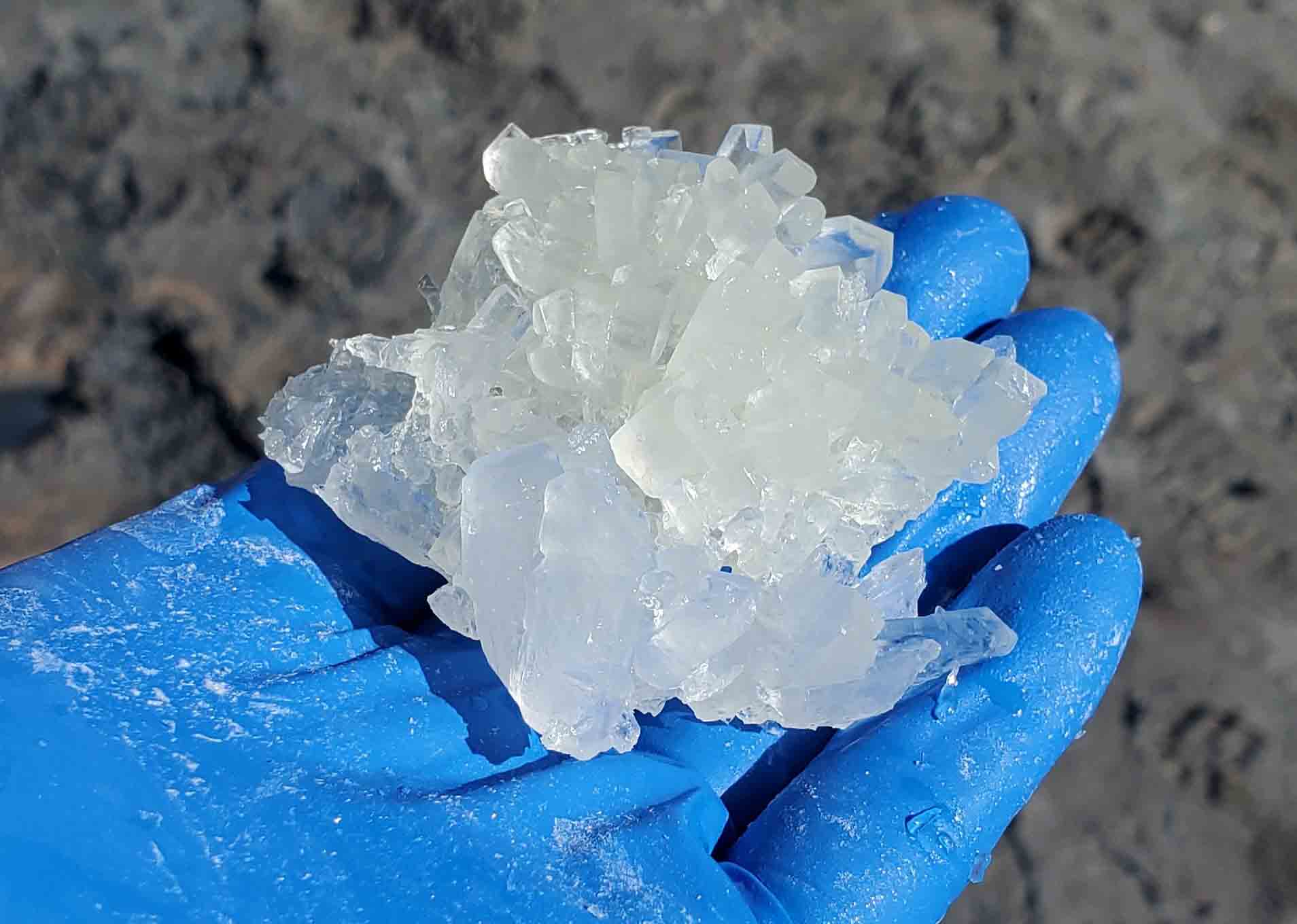
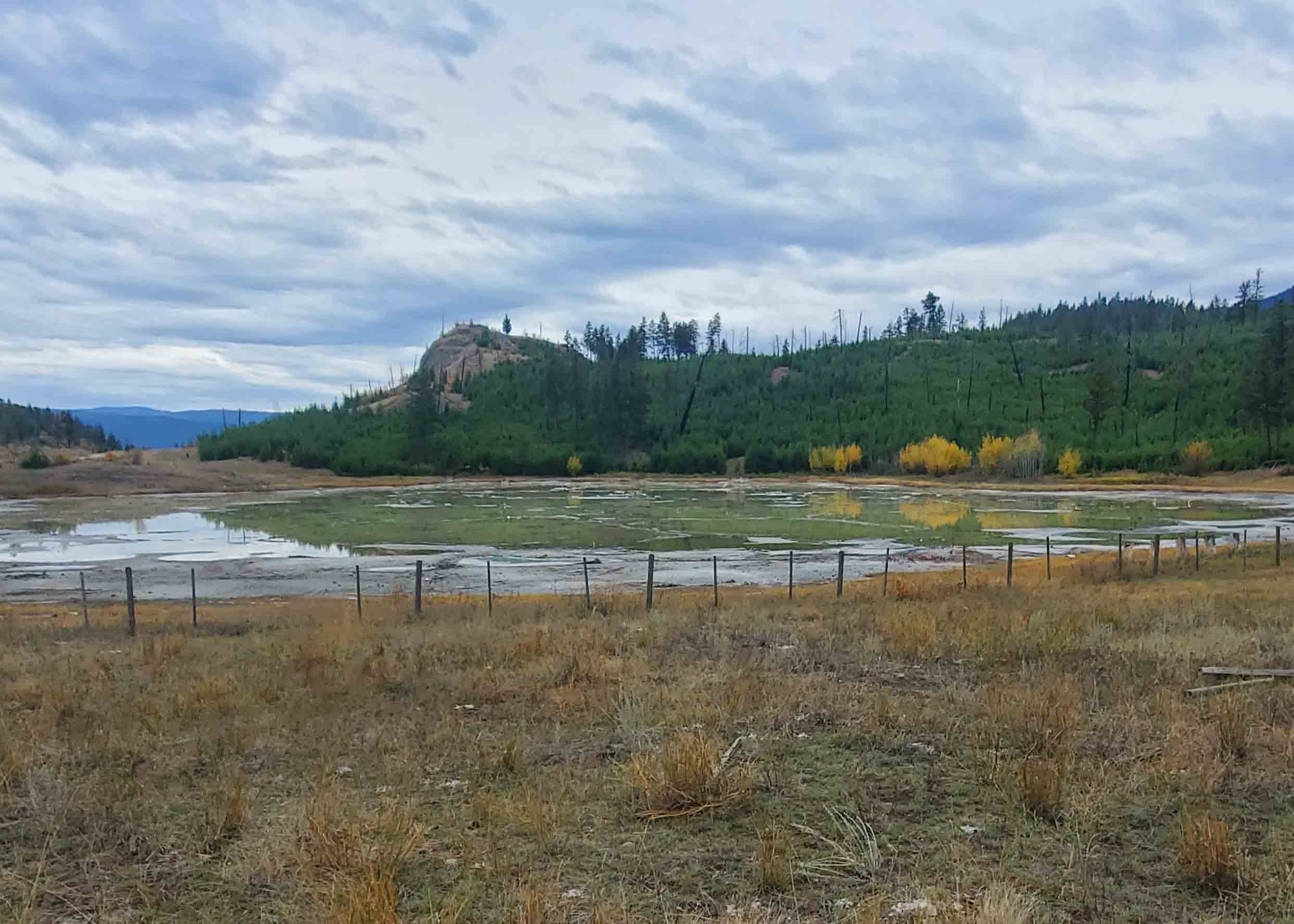
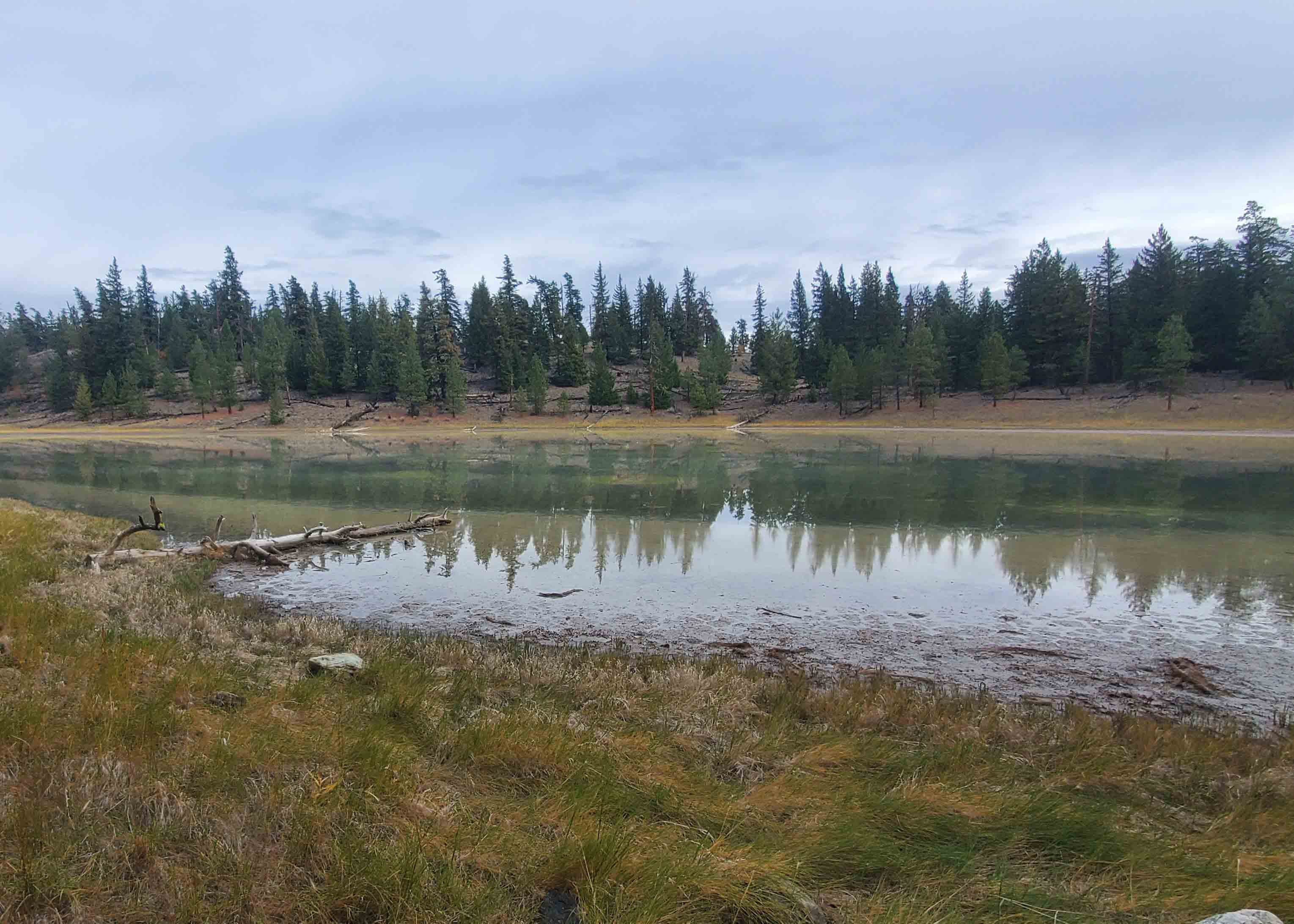
Unlike the majority of aquatic systems on Earth that consist of sodium chloride, the Basque Lakes in British Columbia consist of magnesium sulfate.
As the pools evaporate over the course of the year, they concentrate to the point of saturation and precipitate large magnesium sulfate crystals in thick layers that are enough to stand on.
Not only does this make the Basque Lakes a great place to study microbial adaptations to high salinity, but similar salts have been found on Mars, making it great analog to explore the habitability of Martian soils.
We visited in October 2023 to collect rocks, sediments, and brines to investigate the microbial ecology, activity, and geochemistry of these unique hypersaline lakes.
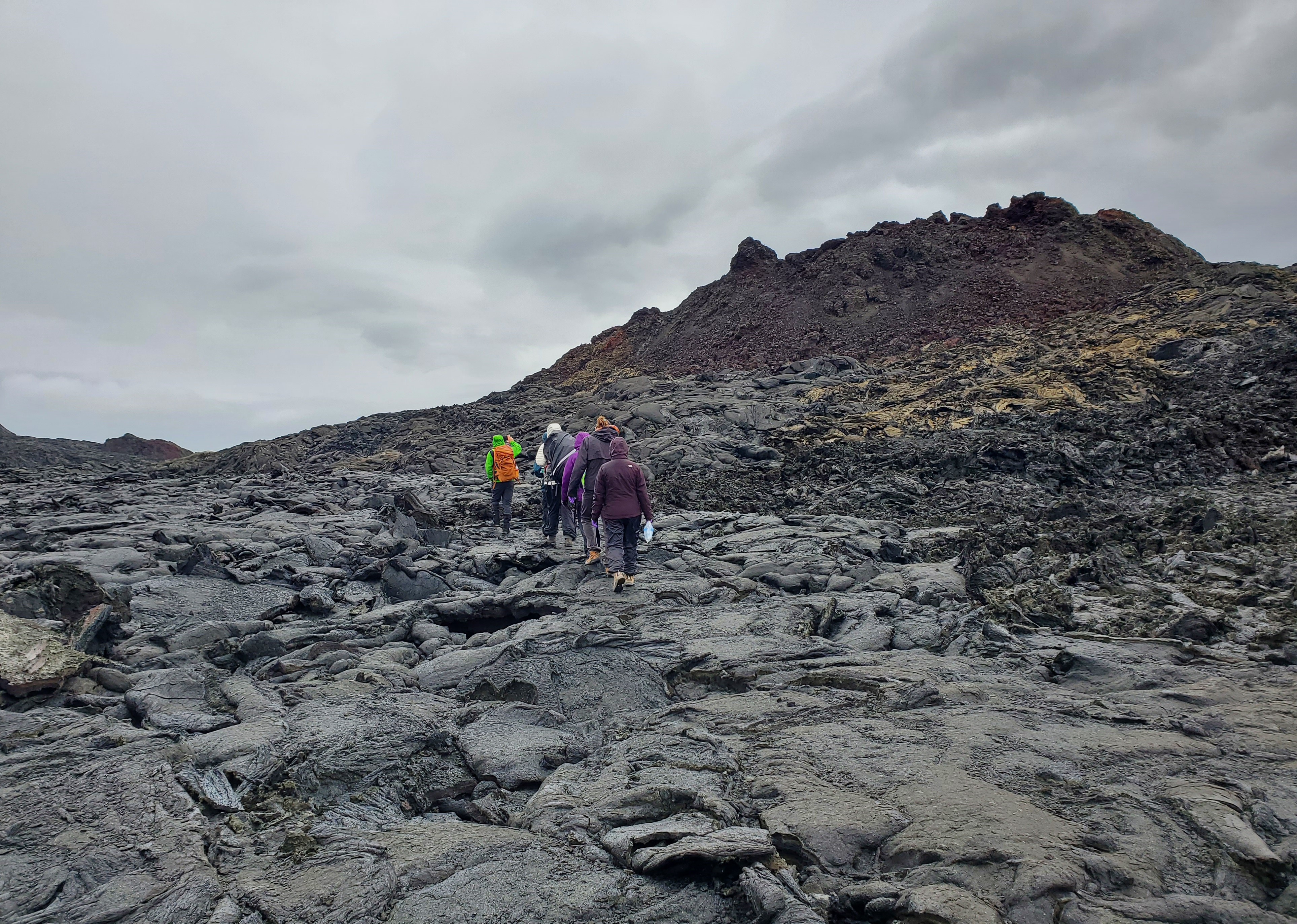
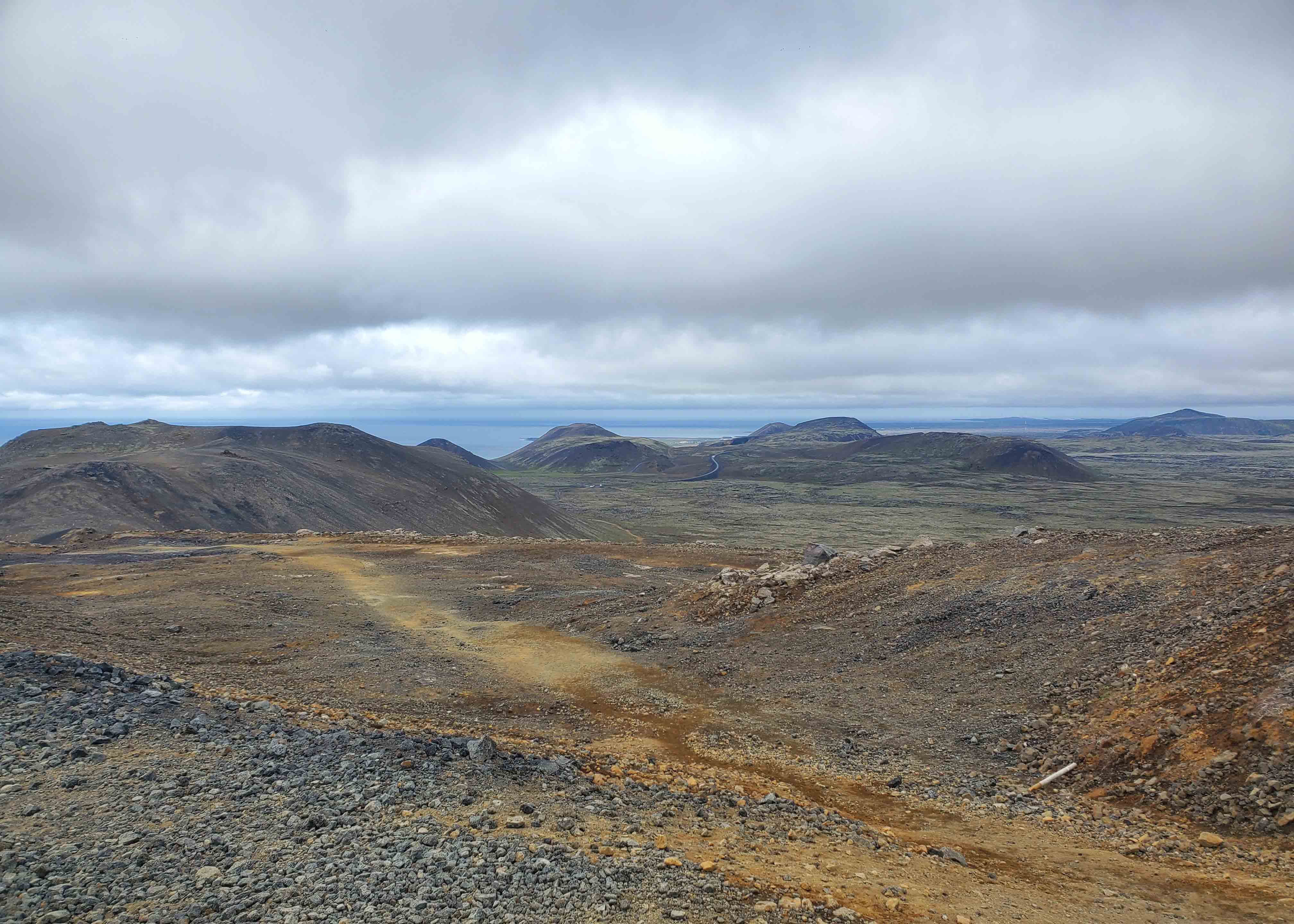
The Fagradalsfjall Eruption in Iceland
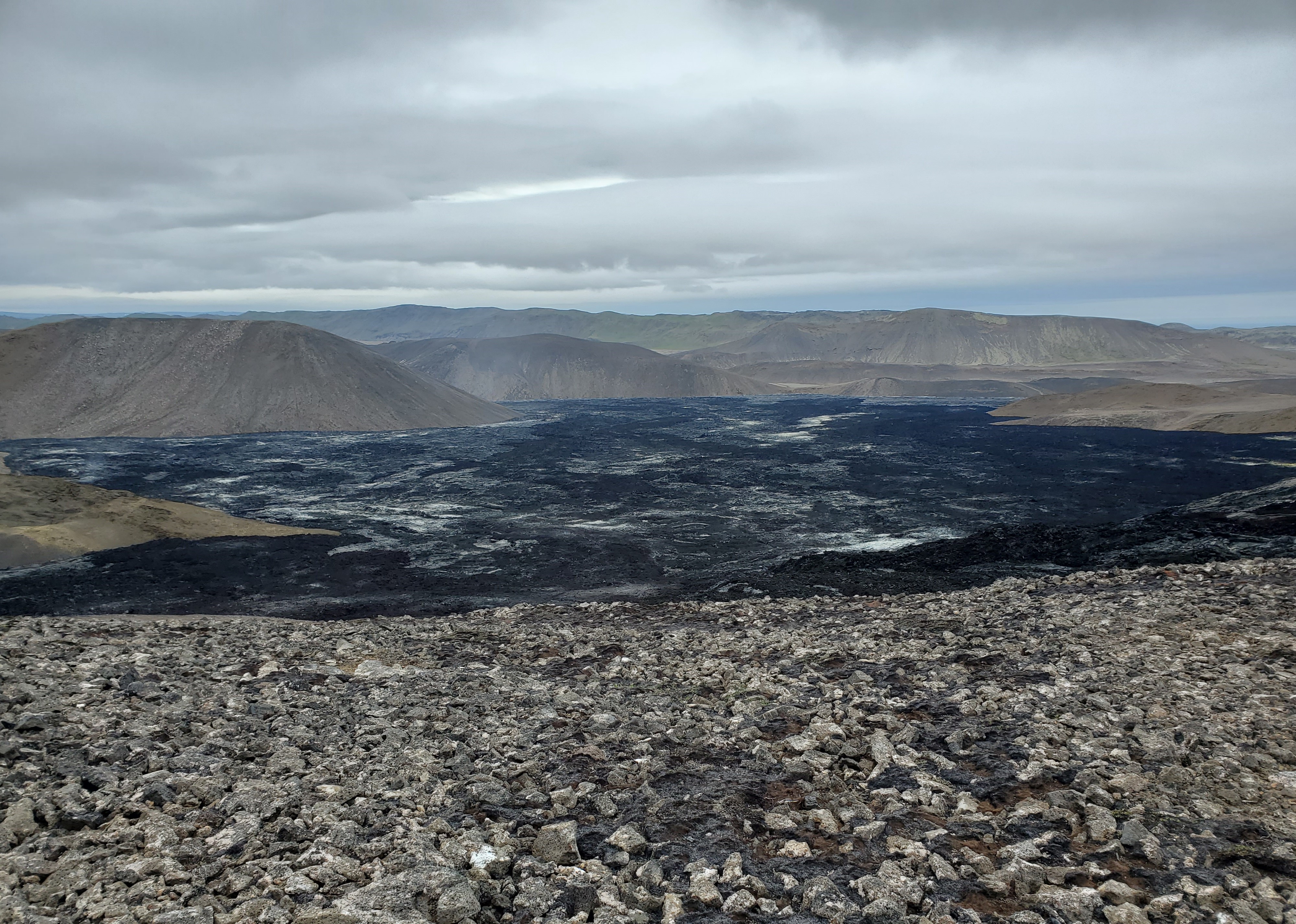
Volcanoes create new rock and land as magma is brought to the surface, cools, and hardens.
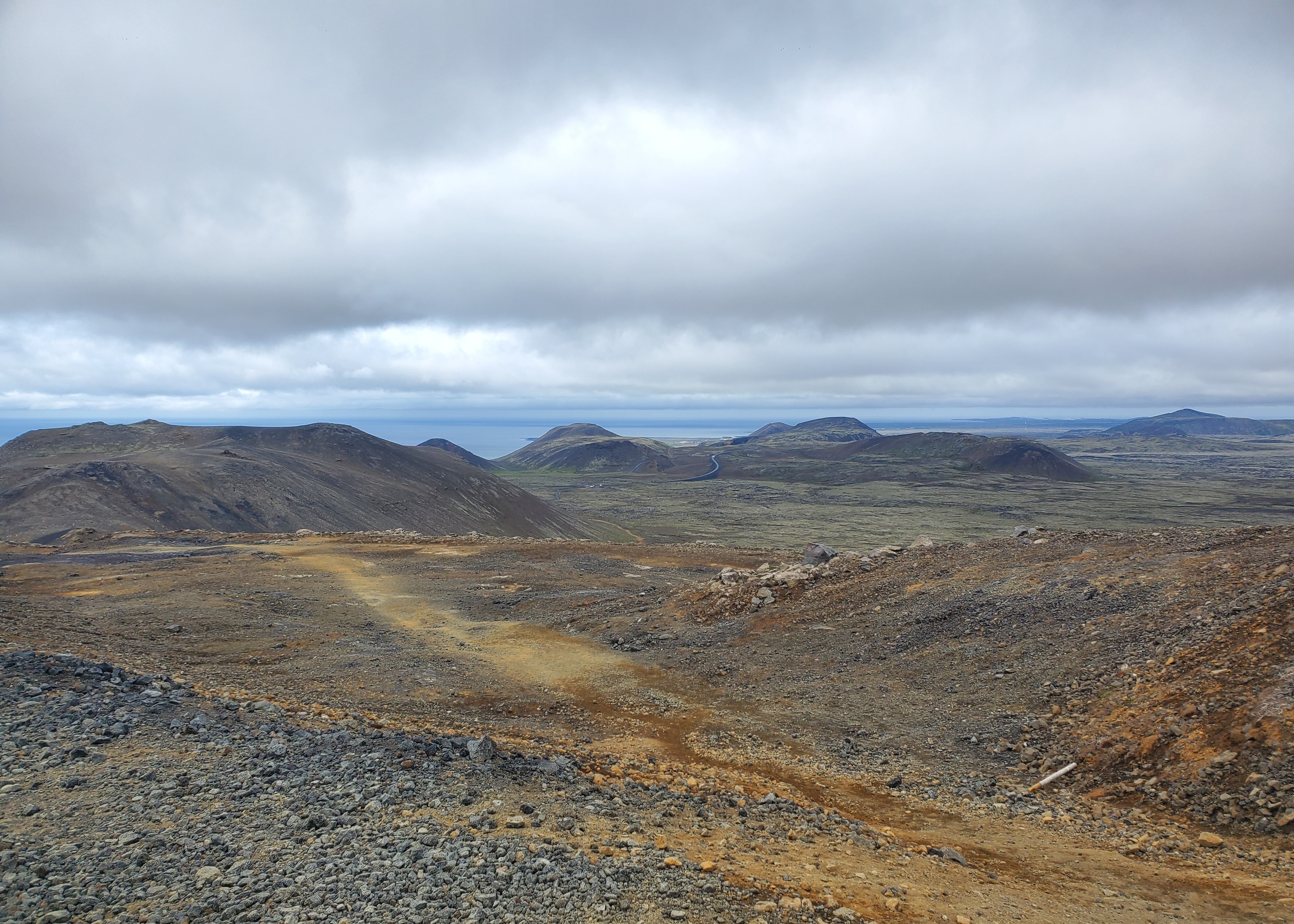
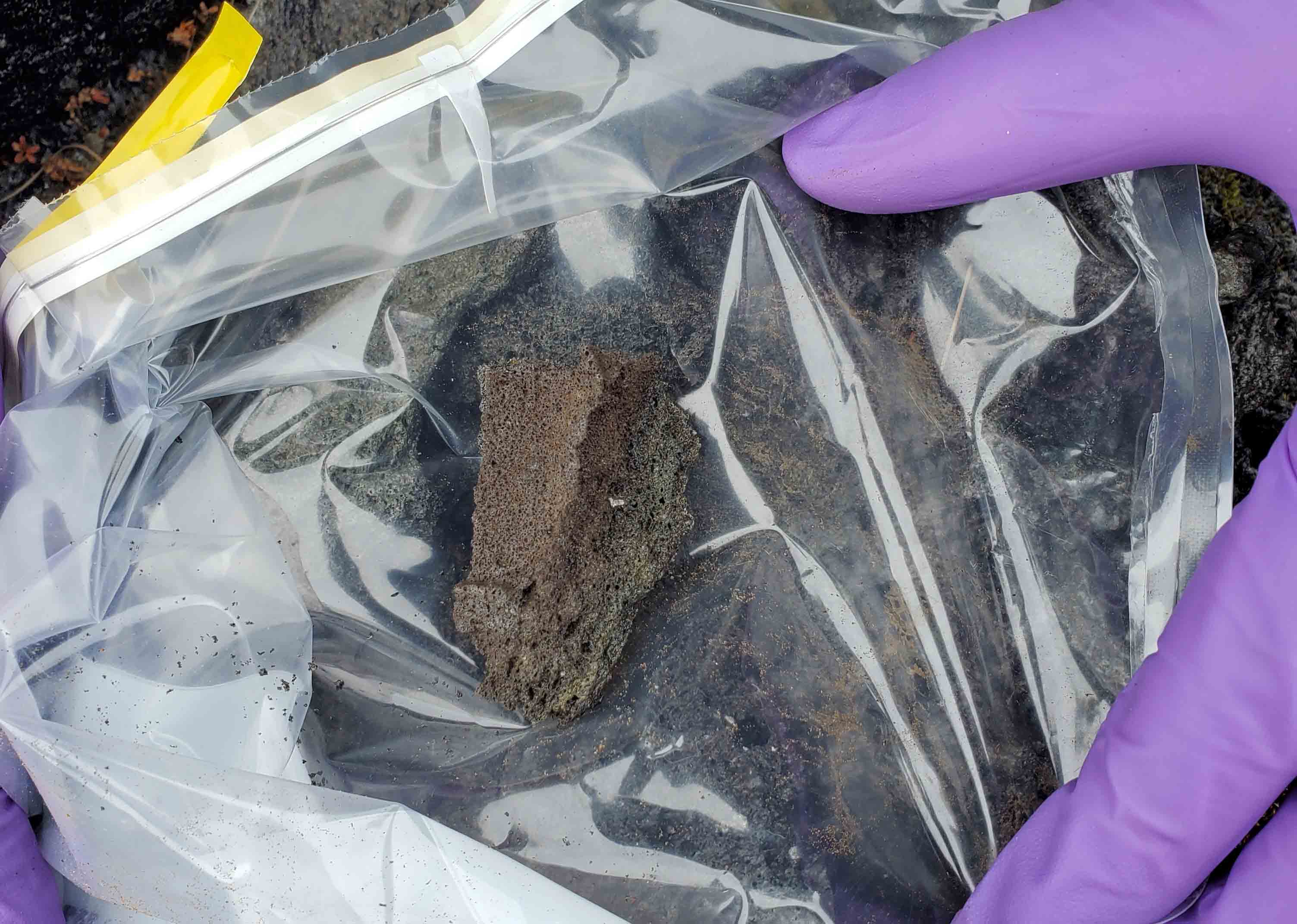
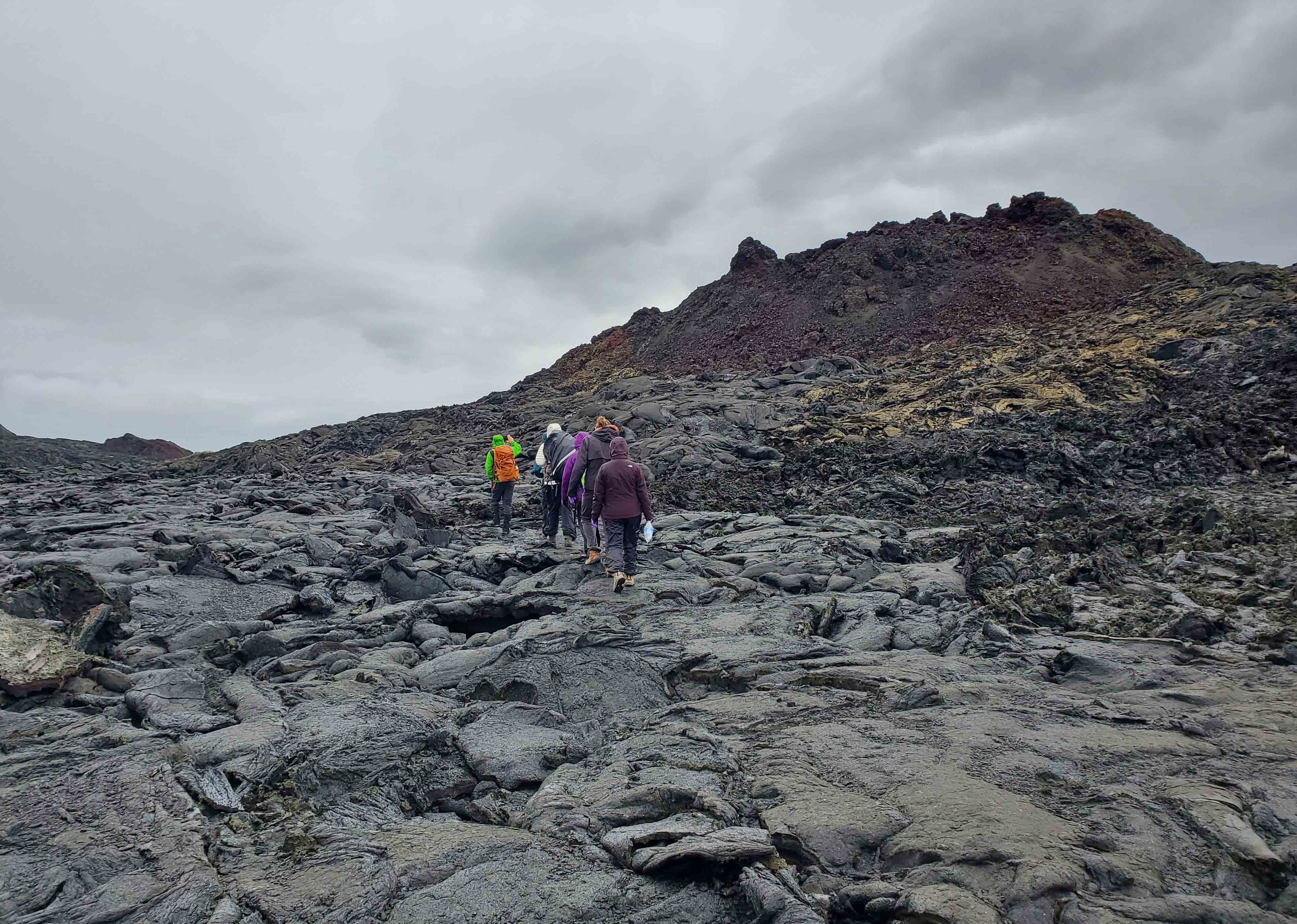
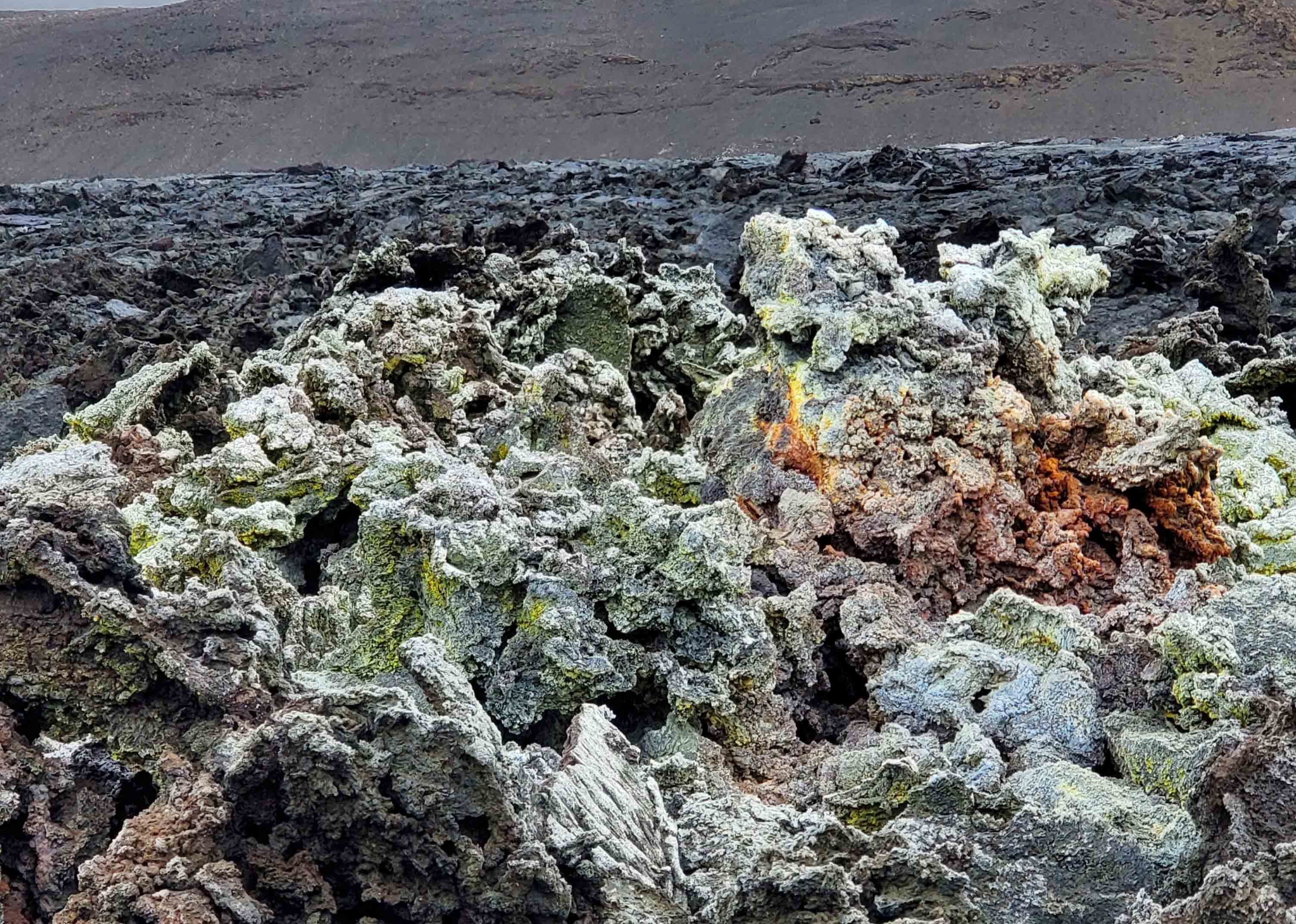
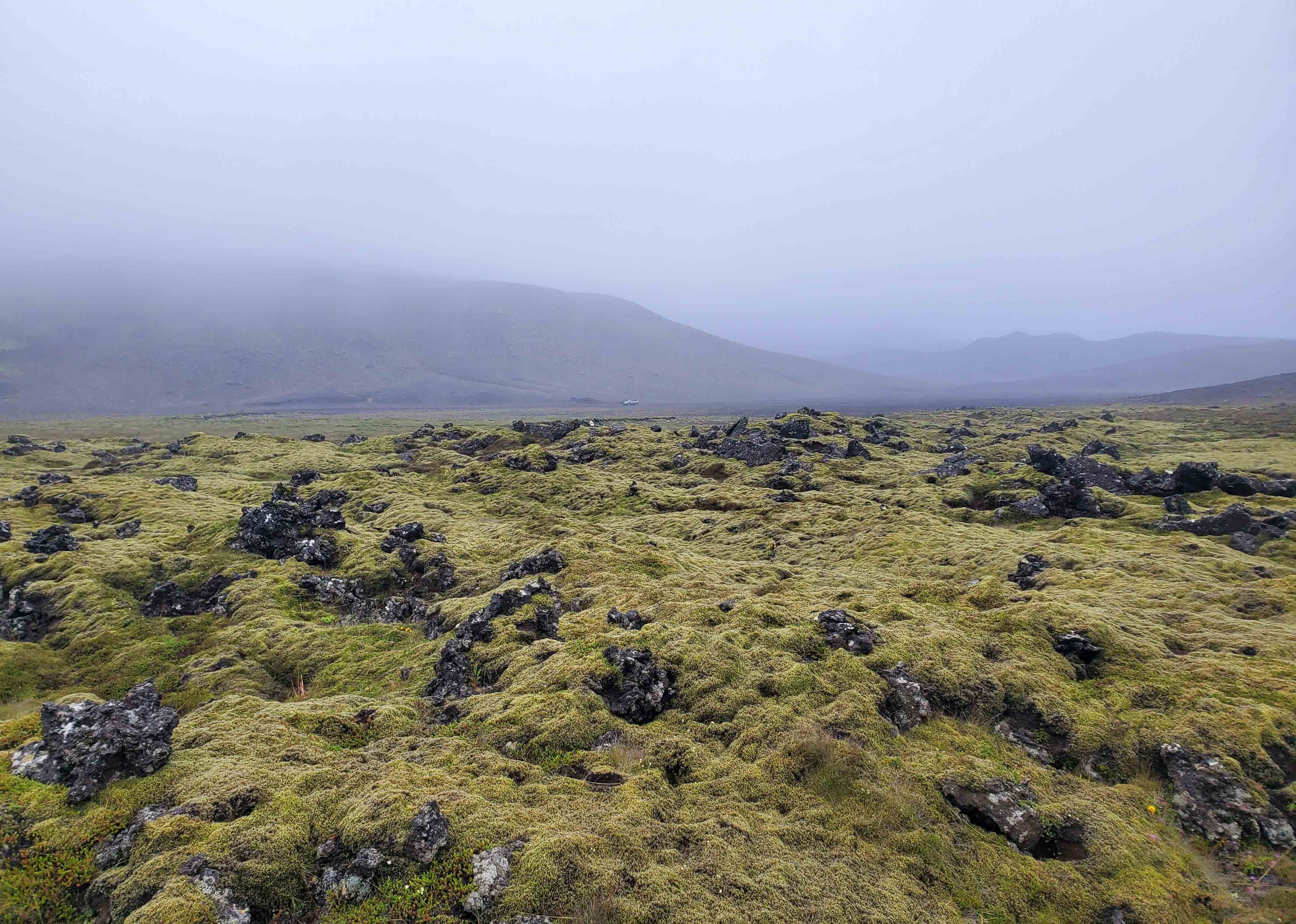
The Fagradalsfjall volcano on the Reykjanes Peninsula began erupting in March 2021 just 25 miles away from the capital, Reykjavík.
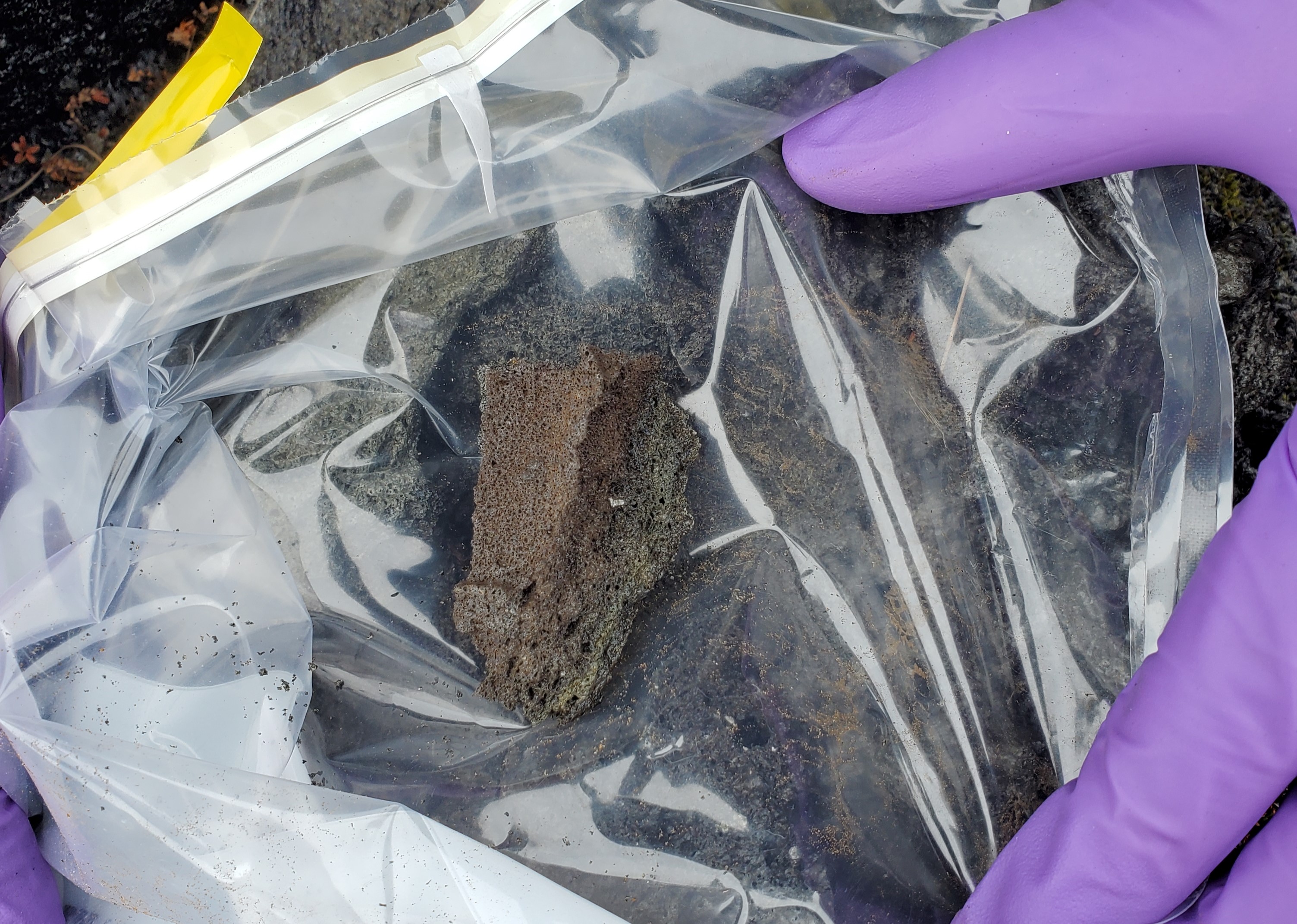
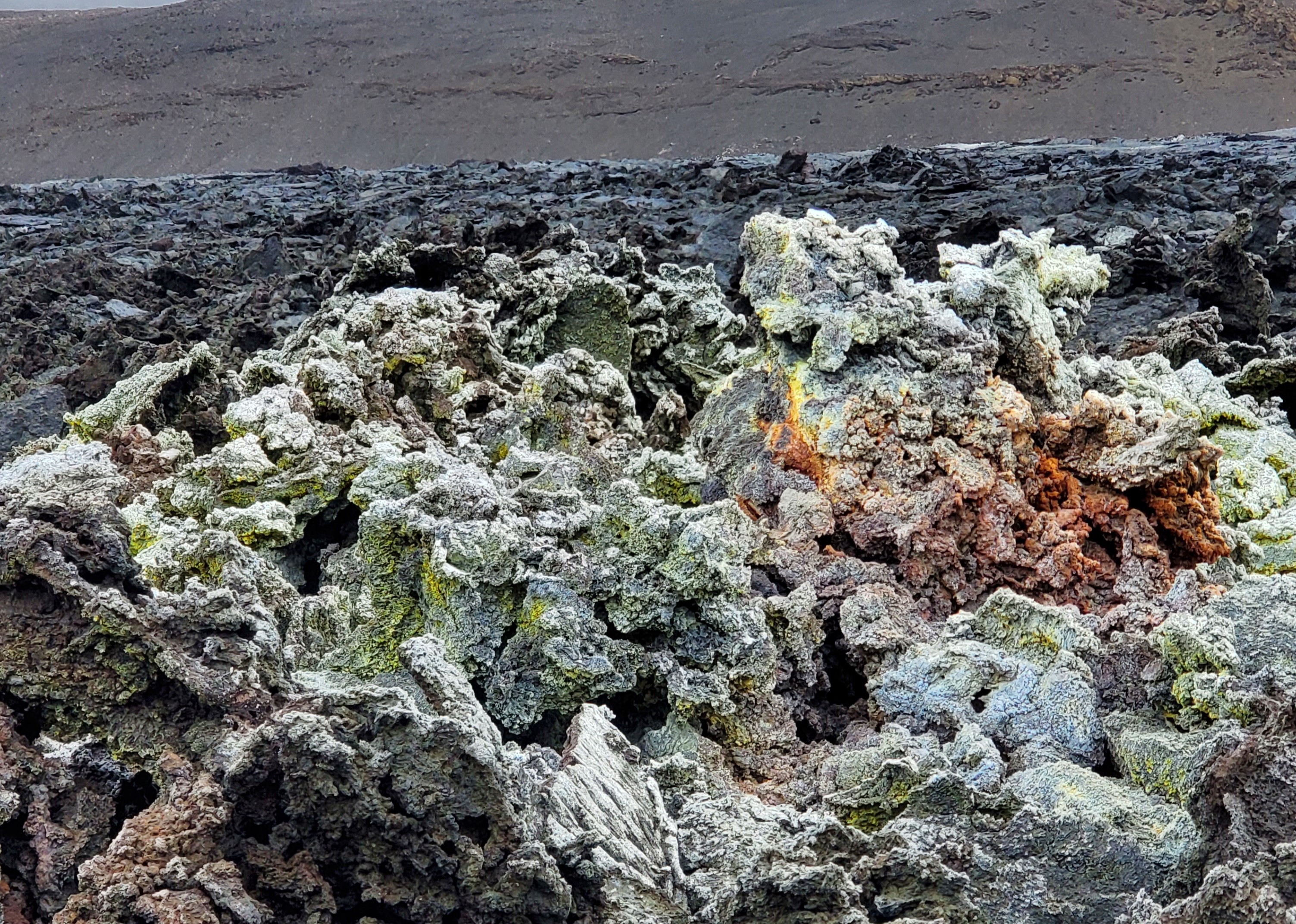
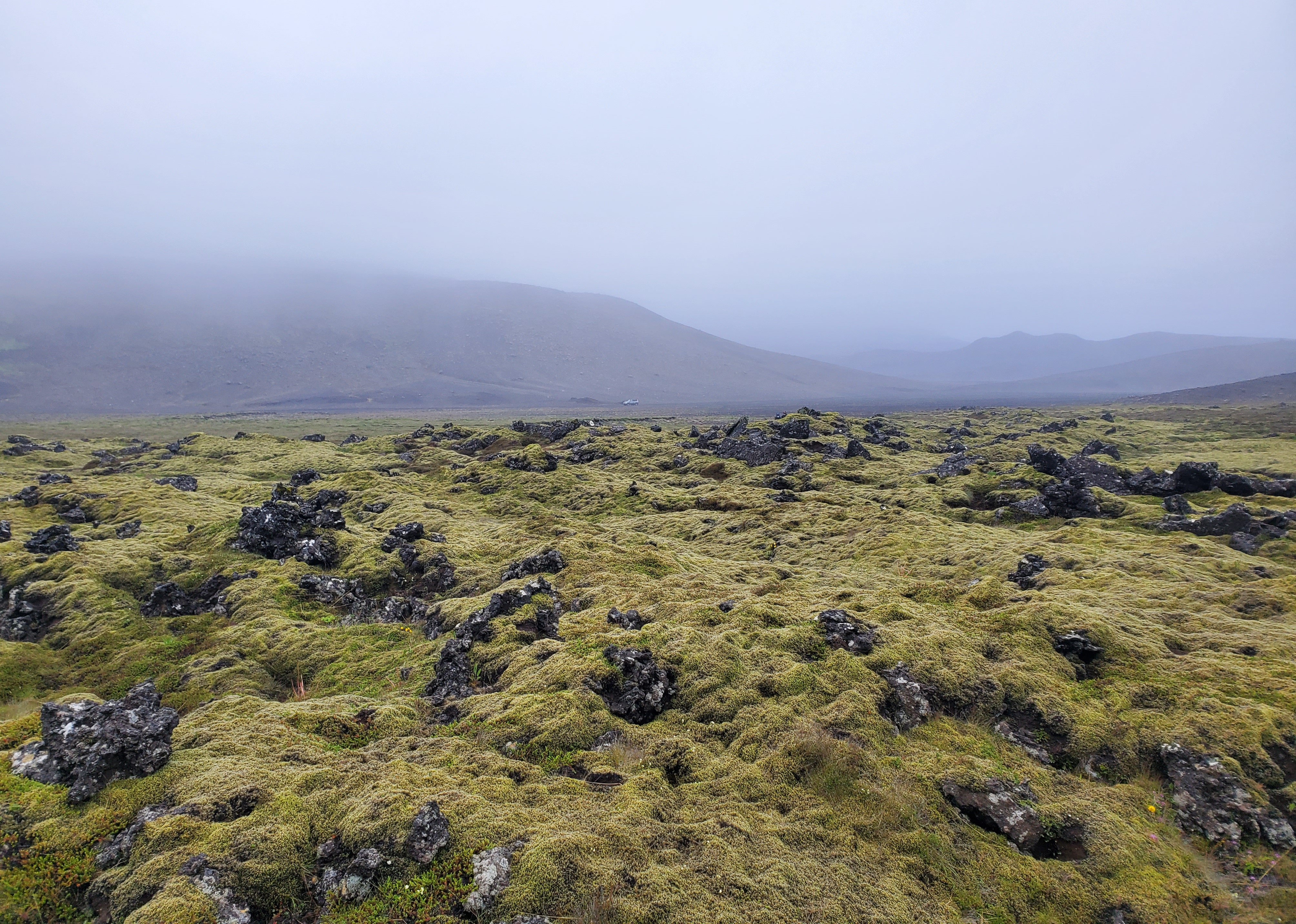
We visited in July 2022 and collected samples from the cooled lava flows in order to understand how microbes colonize these new surfaces.
Elements
Text
This is bold and this is strong. This is italic and this is emphasized.
This is superscript text and this is subscript text.
This is underlined and this is code: for (;;) { ... }. Finally, this is a link.
Heading Level 2
Heading Level 3
Heading Level 4
Heading Level 5
Heading Level 6
Blockquote
Fringilla nisl. Donec accumsan interdum nisi, quis tincidunt felis sagittis eget tempus euismod. Vestibulum ante ipsum primis in faucibus vestibulum. Blandit adipiscing eu felis iaculis volutpat ac adipiscing accumsan faucibus. Vestibulum ante ipsum primis in faucibus lorem ipsum dolor sit amet nullam adipiscing eu felis.
Preformatted
i = 0;


while (!deck.isInOrder()) {
    print 'Iteration ' + i;
    deck.shuffle();
    i++;
}

print 'It took ' + i + ' iterations to sort the deck.';
Lists
Unordered
- Dolor pulvinar etiam.
- Sagittis adipiscing.
- Felis enim feugiat.
Alternate
- Dolor pulvinar etiam.
- Sagittis adipiscing.
- Felis enim feugiat.
Ordered
- Dolor pulvinar etiam.
- Etiam vel felis viverra.
- Felis enim feugiat.
- Dolor pulvinar etiam.
- Etiam vel felis lorem.
- Felis enim et feugiat.
Icons
Actions
Table
Default
| Name |
Description |
Price |
| Item One |
Ante turpis integer aliquet porttitor. |
29.99 |
| Item Two |
Vis ac commodo adipiscing arcu aliquet. |
19.99 |
| Item Three |
Morbi faucibus arcu accumsan lorem. |
29.99 |
| Item Four |
Vitae integer tempus condimentum. |
19.99 |
| Item Five |
Ante turpis integer aliquet porttitor. |
29.99 |
|
100.00 |
Alternate
| Name |
Description |
Price |
| Item One |
Ante turpis integer aliquet porttitor. |
29.99 |
| Item Two |
Vis ac commodo adipiscing arcu aliquet. |
19.99 |
| Item Three |
Morbi faucibus arcu accumsan lorem. |
29.99 |
| Item Four |
Vitae integer tempus condimentum. |
19.99 |
| Item Five |
Ante turpis integer aliquet porttitor. |
29.99 |
|
100.00 |